Comprehensive consumer guide to vape stores and evolving health evidence
This long-form guide is written for curious shoppers, clinicians, public health advocates and habitual users exploring products at a Dampfer Shop|an updated overview of e-cigarette impact on human health and practical shopping advice. It synthesizes recent findings, explains the science behind devices and e-liquids, and offers pragmatic tips to make safer purchases while keeping search-engine-friendly structure and keyword prominence in mind.
What are modern vaping products and why they matter
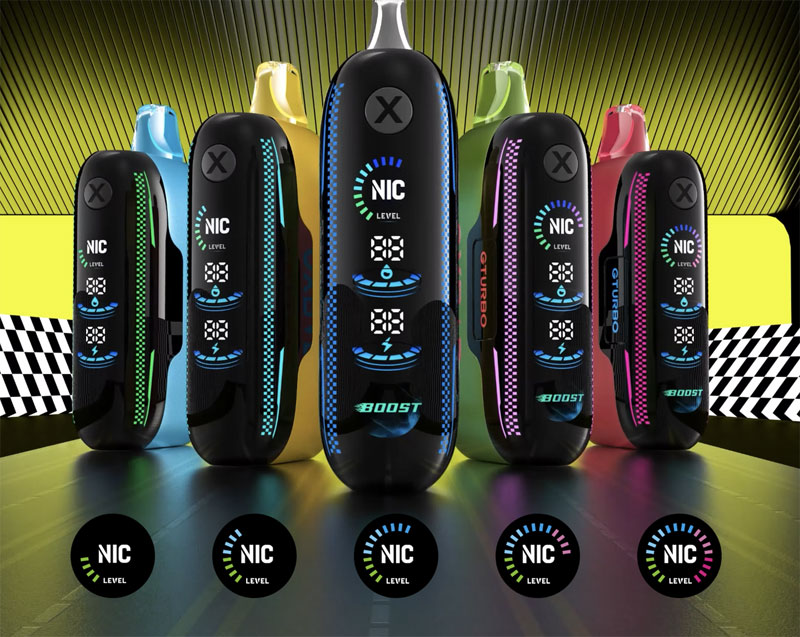
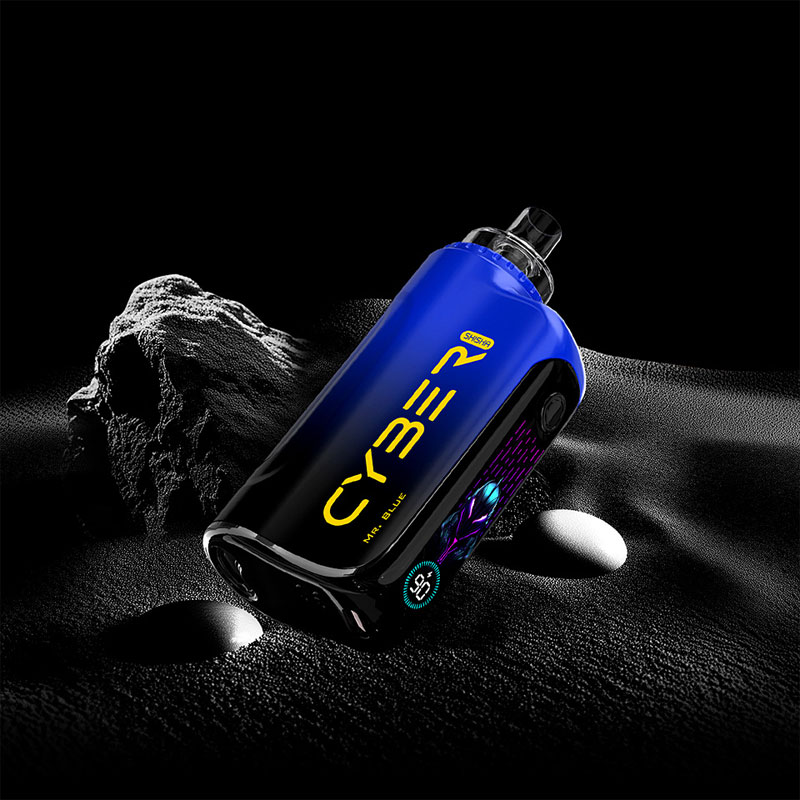
Electric inhalation devices—often found at a Dampfer Shop—vary widely: from simple pod-systems to advanced rebuildable atomizers. The core components include a battery, a heating element (coil), and a liquid reservoir containing propylene glycol (PG), vegetable glycerin (VG), flavorings and optional nicotine. Understanding these parts helps consumers spot quality differences and health implications. Across scientific literature, both device design and e-liquid composition influence the aerosol chemistry that users inhale; therefore, product choice at any Dampfer Shop|an updated overview of e-cigarette impact on human health is not purely aesthetic or economic but directly related to exposure profiles.
Key elements of product variability
- Battery power and temperature control: higher power can increase aerosol particle size and thermal decomposition
- Coil composition: kanthal, nichrome, stainless steel, and ceramic each heat differently and may release metallic particles
- E-liquid ingredients: solvent ratios, nicotine concentration, and flavoring agents affect both sensory experience and potential toxicity
- Pod vs. tank systems: closed pods emphasize convenience; refillable tanks allow customization but require more user knowledge for safe operation
Immediate and short-term health effects supported by research
Short-term consequences often reported and measured include throat and airway irritation, transient changes in lung function measures, increased heart rate and blood pressure after nicotine inhalation, and altered taste or olfactory sensations. When assessing findings presented in a Dampfer Shop|an updated overview of e-cigarette impact on human health, recognize that acute studies typically use small samples or controlled exposures that inform mechanisms but not long-term risk. Commonly observed acute phenomena: bronchial irritation from solvents or flavorings, nicotine-driven sympathetic activation, and in rare cases, acute hypersensitivity or asthma exacerbation.
What we know about long-term risks — cautious interpretation required
Longitudinal data remain limited but are increasingly available. Some cohorts suggest reduced toxin exposure compared to combustible cigarettes, while others flag potential cardiovascular and pulmonary markers that merit concern. Epidemiological studies show associations—though not yet definitive causation—between prolonged vaping and respiratory symptoms, changes in lung imaging in certain users, and metabolic indicators of systemic inflammation. Regulatory agencies emphasize that lower exposure does not equal safety, and consumers frequenting a Dampfer Shop|an updated overview of e-cigarette impact on human health should weigh reduced harm relative to abstinence or complete cessation.
Harm reduction vs. absolute safety
Public health frameworks often treat vaping as a harm reduction tool for adult smokers unable or unwilling to quit by other means. However, non-smokers, youth and pregnant people face unique vulnerabilities: initiation of nicotine use may lead to dependency, and developing brains are sensitive to nicotine’s effects. This nuance is crucial when shopping: product choice and marketing claims encountered in any Dampfer Shop|an updated overview of e-cigarette impact on human health should be evaluated against personal risk profiles and long-term goals.
Chemical exposures: beyond nicotine
Beyond nicotine, aerosolized products can contain volatile organic compounds (VOCs), carbonyls like formaldehyde and acetaldehyde (more likely produced at high temperatures), metal nanoparticles from coils, and flavoring chemicals such as diacetyl linked to bronchiolitis obliterans in occupational settings. Good shopping practice includes scrutinizing ingredient lists, preferring third-party lab-tested liquids, and avoiding devices that encourage excessively high coil temperatures.
Vulnerable populations and special considerations
Adolescents: developing brains are more susceptible to nicotine dependency and cognitive effects. Pregnant people: nicotine exposure can harm fetal development. People with pre-existing respiratory or cardiovascular disease: may experience exacerbations. Health professionals advise these groups to avoid use; those considering switching from cigarettes should consult clinicians. This nuance should appear prominently in consumer information at any Dampfer Shop|an updated overview of e-cigarette impact on human health to inform ethical retail and individual decisions.
Evaluating claims and marketing at retail locations
Not all product claims are equal. Terms such as “nicotine-free,” “organic flavors,” or “safe vapor” are sometimes unregulated marketing language. A savvy shopper will request certificates of analysis (COA), inquire about batch testing, and prefer vendors who provide transparent information. Look for sealed packaging, tamper-evident seals, and clear nicotine concentration labeling. If a Dampfer Shop|an updated overview of e-cigarette impact on human health lists unverified health claims, treat them skeptically and ask for evidence.
Practical smart-shopping checklist for buyers
- Verify vendor reputation: look for reviews, professional affiliations and customer service responsiveness
- Inspect product labeling: ingredients, nicotine mg/ml, manufacturer and lot number
- Request COAs: independent lab testing for contaminants and nicotine content
- Understand return policies and warranties for mod and battery devices
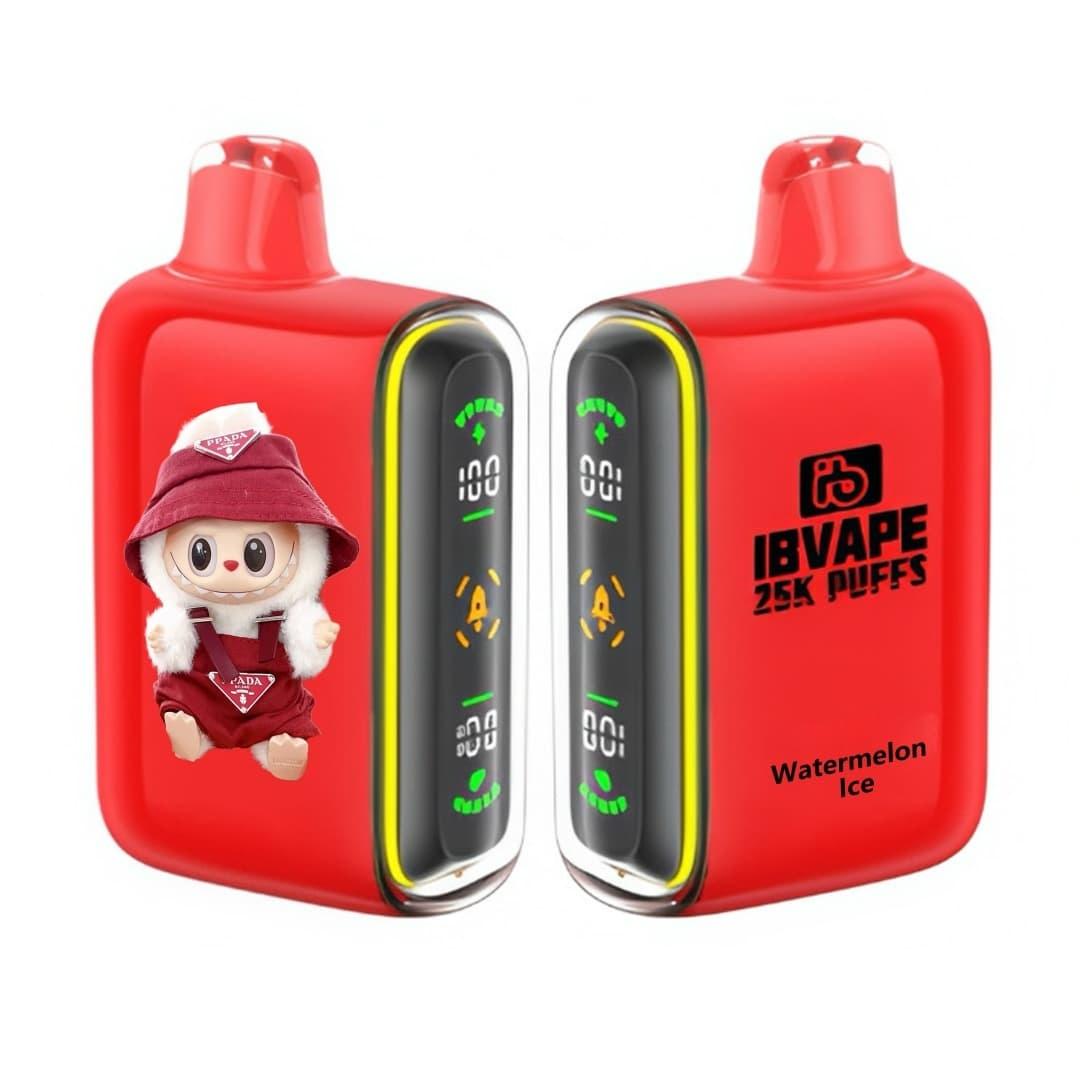
- Avoid counterfeits: poorly printed boxes, missing safety icons or unusually low prices can indicate fake products
- Choose appropriate nicotine strength if switching from cigarettes; consider stepping down gradually
Device maintenance and user safety
Proper maintenance reduces risk: use manufacturer-recommended coils and batteries, maintain clean tanks, replace coils per manufacturer guidelines, and avoid mixing e-liquids with unknown additives. Battery safety is paramount—use correct chargers, avoid physical damage, and store batteries properly to prevent thermal runaway. Retailers at a Dampfer Shop|an updated overview of e-cigarette impact on human health should educate buyers about safe handling and carry spare regulated batteries rather than improvised cells.
Understanding flavors and additives
Flavor chemicals create the sensory experience but may present inhalation-specific risks. Some agents considered safe for food ingestion may behave differently when heated and aerosolized. When reviewing e-liquids, prioritize products listing all flavoring agents and manufacturers that provide inhalation toxicity screening. Homemade mixing or black-market liquids increase uncertainty—purchase from reputable sources and avoid liquids with unknown or proprietary “flavor blends” lacking disclosure.
Regulatory landscape and labeling standards
Regulations vary by country and jurisdiction; some places restrict flavors, impose nicotine caps, or require standardized packaging and child-resistant closures. Compliance with local law is a minimum quality marker. Retailers that proactively adopt higher safety standards—such as voluntary third-party certification, employee training programs, and harm-reduction counseling—often provide a safer shopping environment and clearer product information for consumers consulting a Dampfer Shop|an updated overview of e-cigarette impact on human health.
Common myths versus evidence
- Myth: Vaping is entirely harmless. Evidence: Not harmless, but generally shows lower levels of many toxicants compared to cigarette smoke; long-term effects still under study.
- Myth: Nicotine-free e-liquids are always safe. Evidence: Non-nicotine aerosols can still contain harmful solvents and flavoring decomposition products.
- Myth: Temperature control eliminates all risks. Evidence: It reduces some thermal decomposition but does not remove risks associated with flavorings or metals.

How to discuss vaping with a clinician or retail expert
Be honest about smoking history, frequency of use, device type, and goals (quit, reduce, or recreational). Ask for evidence-based cessation support if quitting is the aim. If selecting a product, request COAs and manufacturer contact information, and prefer devices with built-in safety features like short-circuit protection and regulated power output.
Environmental and bystander considerations
While secondhand aerosol exposure generally contains fewer toxicants than secondhand cigarette smoke, it is not simply “harmless water vapor.” Enclosed spaces and sensitive individuals may be affected. Responsible use—including designated vaping areas and respect for non-users—reduces social friction and potential exposures.
Summary: informed choices in an evolving evidence base
Consumers should balance harm-reduction potential, product safety features and personal health profiles when buying at a Dampfer Shop|an updated overview of e-cigarette impact on human health. No product is risk-free; however, informed choices, validated products, transparent retailers and appropriate regulatory oversight can reduce avoidable harms. If your goal is smoking cessation, combine behavioral support with pharmacotherapy where appropriate and discuss options with a healthcare provider.
Additional resources and further reading
Seek peer-reviewed reviews, public health agency guidance and independent lab reports to complement retailer information. Avoid relying solely on promotional materials from manufacturers or shops. A well-informed shopper is empowered to ask the right questions and avoid common pitfalls that compromise safety and quality.
Key takeaways for shoppers
- Ask for independent lab testing and proof of manufacturing standards.
- Prefer regulated devices with safety protections and clear labeling.
- Consider individual health circumstances before initiating or continuing use.
- Use reliable vendors and avoid informal or black-market products.
- Keep nicotine stewardship in mind—manage dosage and transition plans.
Dampfer Shop|an updated overview of e-cigarette impact on human health
As research continues to evolve, maintain a skeptical and evidence-focused approach when evaluating product claims and health statements. The combination of reputable retailers, transparent manufacturing, and consumer education is the best practical strategy to reduce harms while respecting adult choices.
FAQ
- Is vaping safer than smoking?
- Current evidence indicates that many toxic exposures are lower with vaping than with combustible cigarettes, but vaping is not risk-free. Long-term health outcomes are still being clarified.
- How can I tell if an e-liquid is lab-tested?
- Look for a certificate of analysis (COA) from an independent laboratory linked to the product or retailer; verify the lab and batch number where possible.
- Are flavored e-liquids dangerous?
- Some flavoring agents raise inhalation-specific concerns. Prefer products with transparent ingredient lists and known manufacturers; avoid unknown additives.
- What are the safest device practices?
- Use manufacturer-recommended components, maintain coils and tanks, follow battery safety protocols, and avoid excessive power settings that may increase thermal breakdown products.
When interacting with retailers or discussing options with healthcare providers, use precise language about devices, nicotine levels and usage patterns—this will improve the usefulness of any advice and strengthen a harm-reduction approach that fits your individual needs.