Smart Choices for Modern Vaping: A Practical 2025 Buying Roadmap
This in-depth guide helps consumers make informed decisions when choosing electronic nicotine delivery systems and related gear in 2025. Whether you are switching from combustible tobacco, upgrading a kit, or helping someone new to the category, the content below balances safety-first guidance with practical shopping tips. We use targeted terms such as E-Cigarete and e cigarettes throughout to emphasize critical concepts for search engines and human readers alike while maintaining natural, useful prose.
Why careful selection still matters
Choosing the right device and supplies impacts both personal safety and satisfaction. A reliable E-Cigarete or a quality pod/mod reduces risk of battery incidents, produces consistent flavor, and often costs less in the long run due to fewer replacement parts. For people comparing dozens of options online, this guide outlines objective evaluation criteria for e cigarettes and related consumables.
Key decision factors at a glance
- Safety: battery protection, trusted manufacturers, and compliance with current standards.
- Functionality: adjustable power, airflow control, and compatible coil systems.
- Cost of ownership: price of coils, pods, e-liquids, and battery longevity.
- Nicotine delivery: for those looking for nicotine replacement or reduction, understand salt vs freebase and dosing.
- Maintenance: ease of cleaning, coil replacement frequency, and user-serviceable parts.
Device types explained
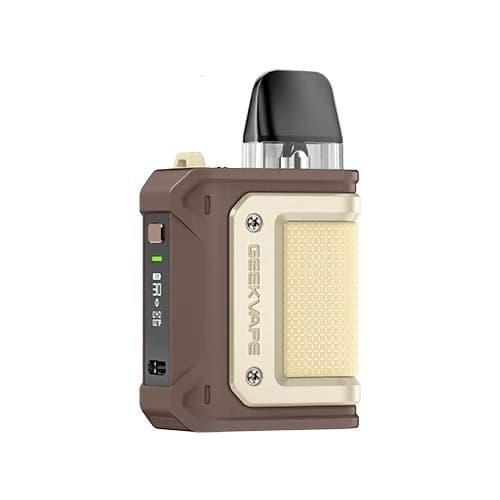
There are several mainstream categories you will encounter when researching: cigalikes, pod systems, vape pens, pod mods, and box mods. Each category suits different priorities. For discreet, beginner-friendly use, a slim e cigarettes pod or disposable may suffice. For flavor chasers and cloud builders, regulated box mods paired with rebuildable atomizers are favored. Knowing your goals—nicotine replacement, flavor fidelity, or hobbyist customization—will guide the selection of the right device.
Disposable and pod systems: simplicity and convenience
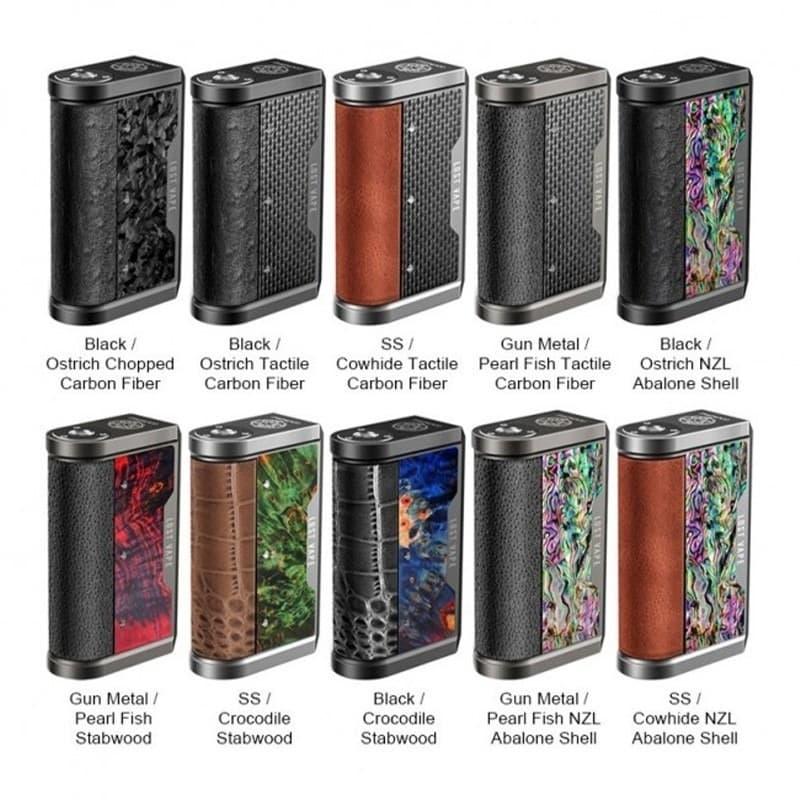
Disposables and closed pod kits are the easiest route for new users. They typically require zero maintenance and are prefilled with e-liquid. The tradeoff is ongoing purchase frequency and environmental considerations. When buying disposables or cartridges look for clear ingredient labeling and legitimate product authentication to avoid counterfeit items. Searching for “authentic E-Cigarete pods” or verified sellers will reduce the chance of poor-quality liquids or faulty batteries.
Refillable systems: balance of cost and control
Refillable pod systems and vape pens let users choose e-liquid, nicotine strength, and flavor profiles. They also reduce waste and long-term cost. Consider devices with top-fill ports, replaceable coils, and reliable leak resistance. Proper use and occasional cleaning yield the best lifespan for these devices.
Battery and charging safety
Battery mishaps are rare but potentially severe; prioritize reputable cells and devices with built-in protection (overcharge, short-circuit, over-discharge). If you use external batteries, only pair trusted high-drain cells (look up manufacturer specifications and buy from authorized retailers). Avoid mixing cell brands or using damaged batteries. Always charge on a hard, non-flammable surface and do not leave charging devices unattended overnight. For travel, carry batteries in a protective case. These measures reduce the risk associated with poorly maintained or counterfeit power components of e cigarettes.
Understanding e-liquid: PG, VG, nicotine formulations
Ingredients matter. Most e-liquids are blends of propylene glycol (PG), vegetable glycerin (VG), nicotine (optional), and flavorings. Higher PG ratios emphasize throat hit and flavor fidelity; higher VG ratios produce thicker vapor and smoother hits. Nicotine exists as freebase or nicotine salts; salts deliver nicotine faster with less throat irritation, often preferred by those switching from combustible cigarettes. For beginners, moderate nicotine strengths (e.g., 3–6 mg for sub-ohm devices, 10–20 mg for high-resistance mouth-to-lung kits or salts) allow safer titration. Check for batch testing, clear ingredient lists, and reputable brand labeling to avoid contaminants.
Coils and atomizers: maintenance and performance
Coil choice directly affects flavor, vapor production, and maintenance frequency. Sub-ohm coils with low resistance (below 1.0 ohm) are for higher wattage and vapor; they consume more e-liquid and battery. Mouth-to-lung coils perform well at lower wattage for a cigarette-like experience. Replace coils when flavor degrades or burning occurs. If you want to save money, learn to prime coils (add a few drops of e-liquid to the cotton before first use) and follow recommended wattage ranges to extend coil life.
Reading labels and verifying claims
Modern product listings often include marketing language that may overpromise. Terms such as “medical-grade” or “100% safe” should be approached skeptically. Look for third-party lab testing, batch codes, and transparent company contact info. When sellers highlight compatibility or safety features for E-Cigarete kits or replacement pods, cross-check with official brand pages and reputable review sites before purchase.
Regulation, quality standards, and 2025 updates
Regulatory frameworks continue to evolve globally. In 2025, many markets require ingredient disclosure, child-resistant packaging, and limits on nicotine concentration or flavor availability. Always verify local rules before importing products. Brands that voluntarily adhere to strict manufacturing standards and publish lab reports typically demonstrate higher commitment to safety. When you see statements about compliance, look for verifiable documentation rather than unsubstantiated claims.
Where to buy: online vs brick-and-mortar

Each channel offers advantages. Brick-and-mortar shops let you test ergonomics, get hands-on advice, and avoid shipping delays. Licensed vendors are also accountable for counterfeit prevention. Online marketplaces provide broader selection and often better prices, but buyers must vet seller reputations, return policies, and authenticity guarantees. Prioritize vendors who accept returns, publish lot numbers, and offer clear customer service pathways for defective products. For sensitive items like batteries and chargers, prefer specialized sellers over third-party marketplaces to reduce counterfeit risk.
Price ranges and budget planning
Entry-level devices can cost under $20; mid-range mod kits often fall in the $40–$120 band. High-end setups and rebuildables can exceed $200, especially when factoring in coils and premium e-liquids. Calculate the total cost of ownership by estimating weekly e-liquid and coil consumption. Investing slightly more up-front in a durable device often reduces long-term costs and frustrations. For example, a reliable mid-range pod/mod often outperforms many cheap disposables over a few months.
How to assess product reviews and recommendations
Look for patterns across multiple trusted reviewers and community forums. One-off positive comments may be paid or biased. Trusted reviewers often disclose sponsorships and perform objective tests (battery life, leak testing, coil longevity). Community feedback on forums can reveal common issues such as firmware bugs, supply chain problems, or counterfeit runs tied to specific sellers of e cigarettes.
Travel and storage tips
Transport e-cig devices and batteries in carry-on luggage when flying, following airline policies and local laws. Store e-liquids and replacement parts at room temperature away from direct sunlight. For longer-term storage, remove batteries and keep devices in a dry place. Proper storage prolongs both battery health and e-liquid shelf life.
Troubleshooting common problems
- No vapor or weak hit: check battery charge, connection points, and coil installation.
- Burnt taste: replace the coil and prime it properly before use.
- Leaking pods: ensure correct seating of pod, check seals, and avoid overfilling.
- Short battery life: review power settings and consider battery age or parasitic draws from background apps on regulated smart mods.
Environmental and disposal considerations
Disposables and used pods create waste; seek recycling options where available. Many cities have battery recycling programs—do not discard lithium cells in household trash. Encourage brands that offer take-back programs or recyclable packaging. Responsible disposal reduces fire risks and environmental harm associated with widespread E-Cigarete device turnover.
Harm reduction and health conversations
For smokers considering alternatives, high-quality e cigarettes and nicotine replacement strategies can play a role in harm reduction. However, they are not risk-free, and non-smokers, youth, and pregnant individuals should avoid nicotine use. Consult a healthcare professional when vaping is part of a quit-plan or when managing pre-existing health conditions.
Choosing nicotine strength responsibly
Start with a nicotine level that matches your previous cigarette consumption or personal goals. A step-down plan over weeks or months can reduce dependence. Many users find nicotine salts effective for rapidly addressing cravings while using lower puff counts.
Advanced options for experienced users
Hobbyists may explore rebuildable atomizers, custom coil builds, and mechanical devices. These require deep knowledge of Ohm’s law, battery safety, and meticulous maintenance. If you experiment with advanced setups, begin slowly, double-check calculations, and consult community builders to avoid preventable hazards.
Checklist for a safe first purchase
Before finalizing any order, verify the following: legitimate seller, visible lab reports, battery protection features, warranty or return policy, and clear product specifications (wattage range, coil compatibility, materials). This pragmatic checklist helps you avoid common pitfalls when buying E-Cigarete kits or liquid supplies online or offline.
2025 marketplace trends you should watch
Expect continued consolidation among brands, stricter ingredient transparency, and more closed-loop safety features (smart firmware limits, NFC-enabled authentication). Flavor policies in some jurisdictions may shape available product lines. Keep an eye on changes in local law and manufacturer recalls or safety bulletins to stay informed.
How to evaluate new product launches
When new devices hit the market, wait for independent reviews and community testing before adopting early. Early firmware versions may contain bugs; early hardware runs sometimes suffer from production issues. Prioritize manufacturers with proven customer service records and robust warranty policies.
Quick safety rules summary
Never mix damaged batteries, always use the recommended charger, keep devices away from extreme heat, and verify product authenticity. These simple habits prevent most safety incidents and improve your overall experience with e cigarettes.
Buyer’s flow for a confident purchase
Step 1: Define goals (nicotine replacement, hobby, flavor). Step 2: Set a budget including replacement parts. Step 3: Shortlist device types and reputable brands. Step 4: Check lab reports and seller reputation. Step 5: Buy, inspect on arrival, and test carefully. Step 6: Follow maintenance steps to prolong device life. This flow helps new and returning users purchase intentionally rather than impulsively.
Responsible consumer behavior
Practice responsible storage and disposal, avoid gifting nicotine products to minors, and keep education and transparency in mind. Supporting retailers and brands that publish independent testing and follow best practices helps raise the baseline for the entire market.
Final thoughts
Investing time to research and prioritize safety and reliability yields a better, more consistent vaping experience. Whether you search for a compact pod for discreet use or a powerful mod for customization, the right blend of reputable vendors, product transparency, and safe handling will deliver the best outcomes. Use the criteria in this guide to compare options and avoid common pitfalls when shopping for E-Cigarete kits, pods, and supplies.
Next steps for readers
Bookmark reputable review sites, join community forums for real-world experiences, and subscribe to product recall alerts in your region. If in doubt about a product’s safety, reach out to the manufacturer or consult a local licensed vendor before purchase.
FAQ

Q1: Are all e-liquids the same?
A1: No. E-liquids vary in PG/VG ratio, nicotine type and concentration, and flavoring quality. Choose products with transparent ingredient lists and lab certificates.
Q2: How often should I replace coils?
A2: Coil life depends on usage and liquid sweeteners; typical replacement ranges from 1 week to 3 weeks. Replace sooner if flavor degrades or a burnt taste appears.
Q3: Can I carry my device on a plane?
A3: Policies vary by airline and country, but most allow carry-on for devices and batteries if you follow specific packing rules. Check the airline’s policy before travel.