E-cigarete Care Essentials: Maintain Performance and Longevity
If you use an E-cigarete regularly, understanding core maintenance rituals will extend the life of your device and improve every session. This guide focuses on practical, safety-minded tips and on-the-road decisions, including how to choose the right cigarette car charger for travel. Whether you’re a seasoned vaper or new to rechargeable devices, the following sections offer actionable advice, technical insights, and product-selection criteria designed for search-friendly clarity and real-world utility.
Why proactive care matters for your E-cigarete
Devices that are cleaned, charged correctly, and stored safely deliver more consistent vapor, better flavor, and fewer performance issues. Neglecting maintenance can lead to shortened battery lifespan, clogged atomizers, degraded wicking, and, in rare cases, safety hazards. A few minutes of routine attention keeps your E-cigarete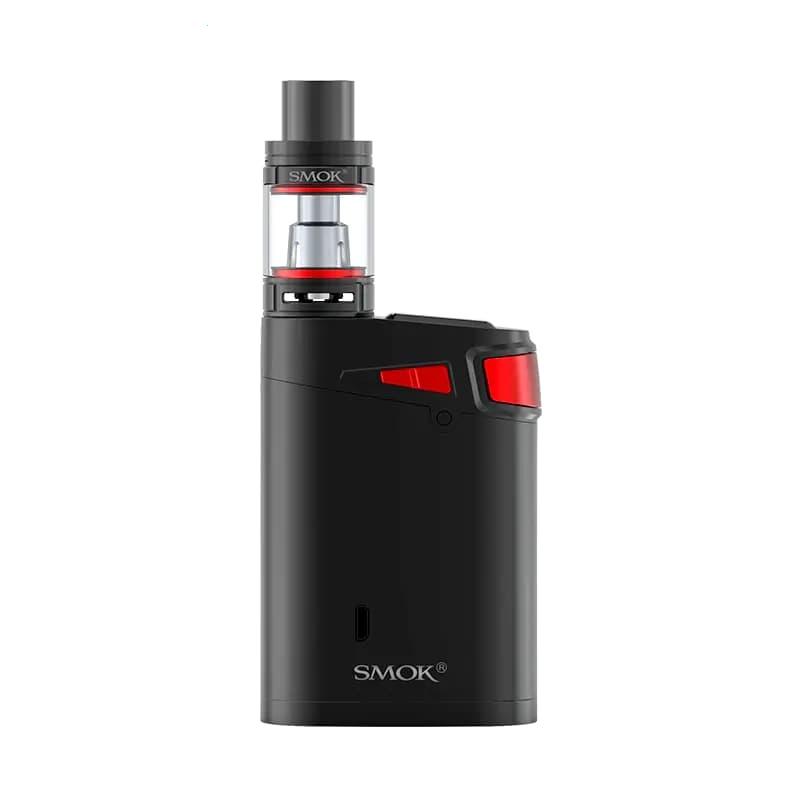 reliable and reduces the need for replacements.
Daily quick-check routine
- Inspect the mouthpiece for residue; wipe with a lint-free cloth.
- Check the battery level and charge pattern; avoid letting cells drop to extreme lows.
- Confirm airflow pathways are clear to prevent overheating and dry hits.
Weekly deep maintenance
Once a week, perform a deeper clean: disassemble the tank or pod system (when removable), rinse non-electrical parts with warm water, and dry thoroughly before reassembly. Replace coils or pods according to flavor degradation or after 1–2 weeks of moderate use. Wicking material and coils are consumables; timely replacement keeps vapor production and taste at their best.
Battery care: maximize cycles and safety
The battery is the heart of any E-cigarete. To preserve its health: use the manufacturer-recommended charger, avoid extreme temperatures, and try to keep the battery between roughly 20% and 80% for daily use when possible. If your device uses removable batteries, rotate and inspect cells for dents, tears in wrap, or other damage. Never use a charger with exposed wires or poor contact.
Charging best practices
- Prefer slow, steady charging via the original or trusted replacement adapter.
- Do not leave charging batteries unattended for prolonged periods.
- Unplug the charger once the battery indicates full to limit overcharge cycles.
Cleaning tips that actually help
Use gentle, non-abrasive tools: cotton swabs, soft brushes, and distilled water for rinseable parts. For contacts, apply a small amount of isopropyl alcohol on a swab to remove oxidation or e-liquid buildup, then allow to dry. Avoid immersing electrical components. Regular cleaning improves conductivity and ensures stable power delivery to the heating element.
Storage and transport recommendations
When stowing your E-cigarete for travel or extended periods, remove e-liquid if you expect temperature swings to prevent leaks. Store the device upright and in a protective case to avoid accidental activation. Keep spare coils and pods sealed until needed to preserve freshness.
Choosing the ideal cigarette car charger for road trips
On the road, power options matter. A compact, reliable cigarette car charger that matches your device’s voltage and current needs turns your vehicle into a mobile charging station. Below are the key criteria to evaluate when shopping:
Compatibility and output
Check device specs: many E-cigarete batteries require a specific voltage or current (amps) for optimal charging. A cigarette car charger should supply the correct output without forcing the battery to accept higher-than-recommended currents. Look for USB outputs labeled with voltage (V) and amperage (A) or amperes, and prefer chargers with adjustable or multiple ports that match your device’s requirements.
Built-in safety features
Important protection mechanisms include over-current protection, over-voltage protection, short-circuit protection, and temperature regulation. A reputable cigarette car charger will advertise these safeguards. Avoid cheap, no-brand options lacking certifications or independent testing.
Form factor and build quality
Choose a solidly constructed adapter that fits snugly in your vehicle’s 12V socket. Metal housings dissipate heat better than plastic. For frequent travelers, look for braided cables, reinforced connectors, and a compact profile that won’t obstruct other dashboard controls.
Fast charging vs. longevity
Fast-charge capable cigarette car chargers are convenient but can increase thermal strain on batteries. When safety and battery longevity are priorities, select a charger with moderate output (e.g., 1–2.4A per port) rather than high-current fast-charging protocols that may not be supported by your specific E-cigarete model.
Multi-port and smart chargers
Smart multi-port chargers with intelligent power distribution detect connected devices and allocate appropriate current. These are particularly useful for road trips where you may charge a phone, a power bank, and an E-cigarete simultaneously. Look for chargers with USP power delivery (PD) or Qualcomm Quick Charge when charging laptops or modern phones, but rely on the lower-output ports for vape gear unless expressly compatible.
Key specs checklist for a travel charger
- Voltage and ampere ratings that match your device.
- Overheat, overcharge, and short-circuit protections.
- Quality of materials and reinforced connectors.
- Multiple ports with intelligent power sharing.
- Physical size and fit for your vehicle’s socket layout.
Packing and usage tips for trips
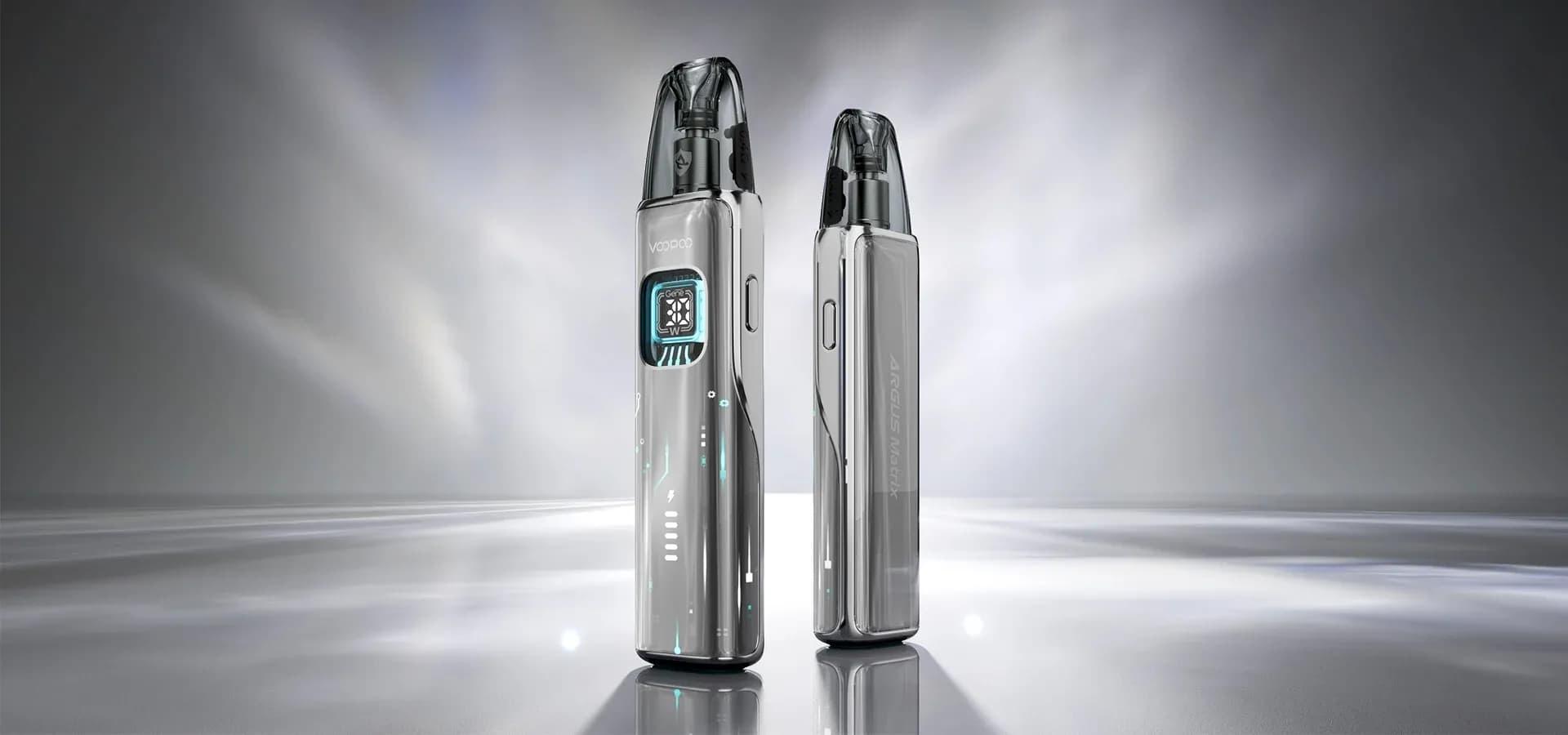
Pack spare cables and a small power bank if long drives or remote areas are involved. Use a small zip pouch to keep your E-cigarete, coils, spare batteries, and a trusted cigarette car charger together. When charging in the car, avoid placing batteries under direct sunlight or near hot vents; elevated temperatures reduce battery life and can be a safety risk.
Troubleshooting common on-road issues
If your device won’t charge in the car: check the car socket fuse, test the charger with another device, inspect cables for fraying, and ensure device contacts are clean. If you experience slow charging, try a different port or cable rated for higher amperage. Persistent issues suggest a failing battery or defective charging hardware—replace rather than risk malfunction while driving.
Legal and safety considerations
Be aware of local laws governing vaping during travel, especially in rental vehicles, airplanes, and across borders. Many regions prohibit vaping in enclosed public spaces and vehicles with minors present. Always secure batteries and devices during transport to prevent accidental activation and comply with airline policies if flying.
Advanced tips for enthusiasts
For users who customize or mod their E-cigaretes, match any mod’s charging adapter and cables to the cell chemistry and configuration. For example, parallel or series cell configurations change charging expectations; consult manufacturer specifications or expert communities. Consider an external smart charger for removable battery packs to ensure balanced charging and cell health.
When to replace components
Swap coils when flavor drops or you notice a burnt taste. Replace batteries if they show visible wear, reduced capacity, or heating under normal use. Replace the cigarette car charger at the first sign of erratic behavior, connector looseness, or overheating to avoid potential damage to your E-cigarete.
Choosing sustainable habits
Opt for recyclable pods/coils when available and dispose of batteries at proper recycling centers. Sustainable choices reduce environmental impact and often lead to longer-lasting, better-performing setups.
Summary: a reliable roadmap
Regular cleaning, thoughtful charging, and smart storage keep your E-cigarete performing well. A quality cigarette car charger that matches your device specifications and provides safety protections ensures stress-free power on the go. Prioritize certified chargers, balanced charging practices, and routine inspections to enjoy consistent performance and peace of mind on every trip.
Further reading and next steps
Start with the manufacturer’s manual for device-specific guidance, then choose a certified cigarette car charger from recognized brands and maintain a small toolkit (cotton swabs, isopropyl alcohol, spare connectors) for quick in-field maintenance. With a plan and the right gear, you’ll get better flavor, consistent vapor production, and longer device life.
FAQ
- Q: Can I use any USB car adapter to charge my E-cigarete?
A: While many USB adapters will physically charge an E-cigarete, you should use one that matches your device’s voltage and current requirements and includes safety protections to avoid damaging the battery. - Q: How often should I replace coils or pods?
A: Replace coils or pods when flavor diminishes, vapor output drops, or you experience a burnt taste—generally every 1–3 weeks depending on usage and e-liquid type. - Q: Is fast charging safe for vape batteries during road trips?
A: Fast charging can be safe if your device explicitly supports it, but for battery longevity and reduced heat, moderate charging rates are recommended when using a cigarette car charger. - Q: What should I do if my car charger gets hot?
A: Unplug it immediately, inspect for damage, and replace it if overheating persists. Ensure ventilation and avoid covering the charger while in use.