How switching to a modern alternative can transform your life
Choosing a healthier route away from combustible tobacco is a major decision and one that benefits from reliable guidance, clear options, and confidence in the products you choose. This comprehensive guide explains how a trusted retailer focused on helping smokers transition can support lasting change. Whether you’re researching devices, evaluating flavors, or looking for practical quitting strategies, the following content is designed to help you understand why a switch is achievable, sustainable, and tailored to your needs. Throughout this article you will find repeated emphasis on the brand approach and the goal to go smoke free using industry-tested starter choices, including how IBVape Shop stacks up as a resource for newcomers and experienced users alike.
Why a guided transition matters
Many people underestimate how important education, product selection, and support are when they decide to stop smoking. Transitioning to a non-combustible nicotine delivery system is not merely a product swap; it requires a personalized plan. Retailers that prioritize customer education can reduce confusion about device operation, nicotine strength, and flavor selection. When consumers have access to clear walkthroughs and supportive service, they are much more likely to leave cigarettes behind permanently and truly go smoke free.
What to look for in a starter kit
- Ease of use: New users benefit from closed pod systems or simple pen-style kits with minimal buttons and quick charging.
- Consistent nicotine delivery:
 Starter kits should deliver reliable dosing so cravings are managed effectively.
 - Safety standards: Quality batteries, certified chargers, and clear instruction manuals reduce risk.
- Support: Access to responsive customer service, honest guidance, and warranty coverage makes a practical difference.
Device types explained
Understanding the variety of devices helps you match your smoking habits to a suitable alternative. The main categories include:
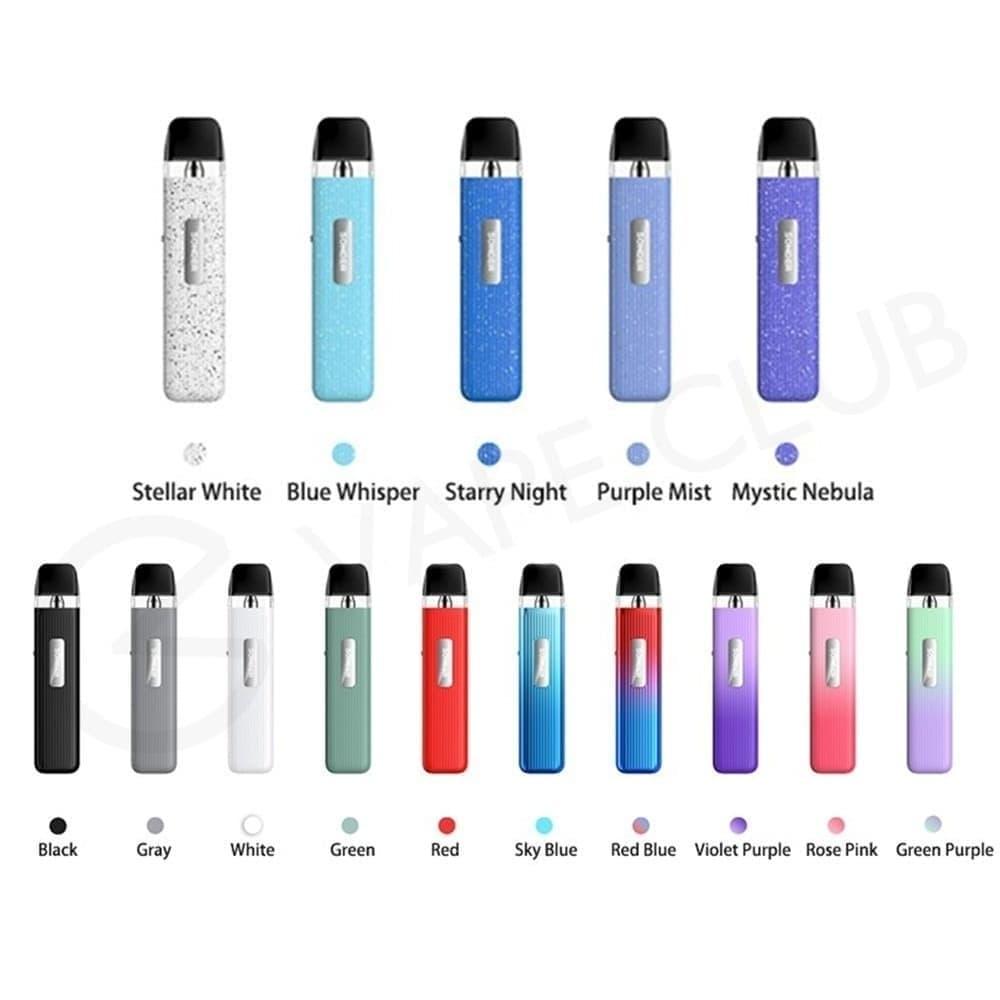
- Pod systems: Compact and low-maintenance, ideal for people who prefer a discreet and consistent hit.
- Vape pens: Slightly larger with longer battery life and flexible e-liquid options.
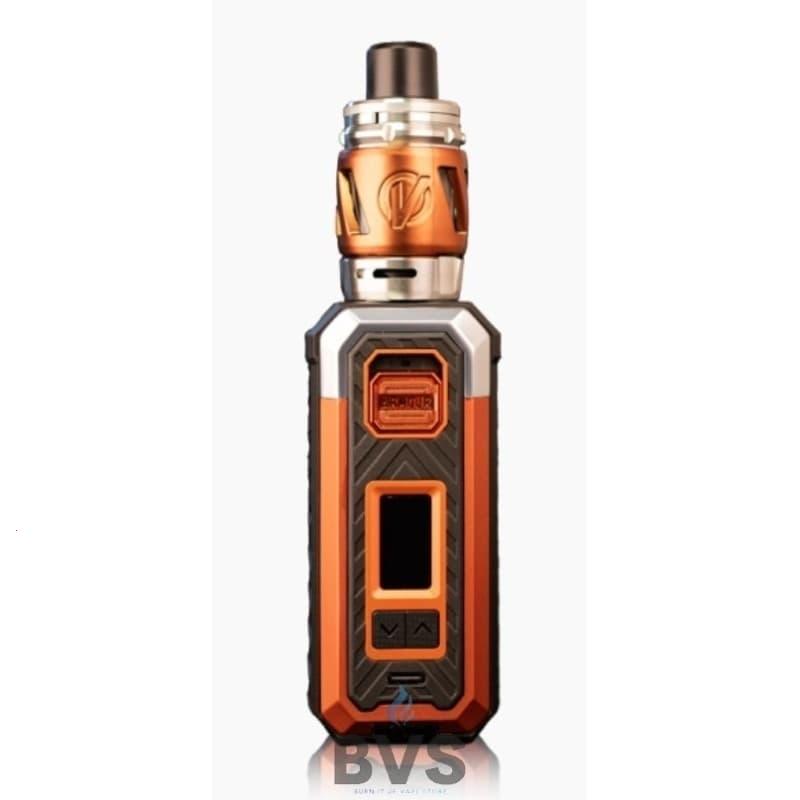
- Box mods: Customizable power and airflow for advanced users comfortable with more complex technology.
When the objective is to replace cigarettes rather than pursue hobbyist interests, a simple, well-engineered starter kit often proves the best option. Retailers that help customers choose the right initial device set the stage for long-term success and a smooth transition to a smoke-free routine.
How a trusted shop supports quitting
Reliable sellers emphasize education and harm-reduction over upselling. They provide straightforward comparisons, nicotine strength charts, and side-by-side benefits of different device formats. A shop committed to helping consumers go smoke free will typically offer:
- Beginner-specific starter bundles with clear instructions and replacement parts.
- Guidance on matching nicotine levels to cigarette consumption patterns.
- After-sale support, including troubleshooting and device maintenance tips.
- Customer reviews and testimonials that show real-life success stories from people who stopped smoking.
These resources are particularly valuable in the early weeks when users are adapting to new nicotine delivery methods and establishing new habits.
Selecting nicotine strength and formulations
Nicotine replacement plays a crucial role in successfully quitting smoking. Liquid nicotine in e-liquids comes in a range of concentrations, and choosing the right strength helps prevent relapse. Below are practical considerations:
- Match your current habit: Heavier smokers may require higher nicotine levels initially to manage withdrawal effectively.
- Gradual tapering: Many ex-smokers find success by gradually lowering nicotine over weeks or months under a structured plan.
- Salt nicotine vs. freebase:
 Salt nicotine delivers a smoother throat hit at higher concentrations and can be preferable for users who need a stronger dose without the harshness.
When a shop offers transparent labeling and explains the differences between formulations, customers can make informed choices that align with their quit plan. A knowledgeable staff can recommend a specific starter kit and nicotine strategy that increases the probability of a successful switch and sustained smoke-free living.
Flavor selection and sensory transition
Flavor plays a surprisingly important role in the transition away from cigarettes. Many ex-smokers report that being able to choose satisfying flavors reduces the urge to return to tobacco because it provides a novel sensory experience. Options range from classic tobacco and menthol to fruit, dessert, and beverage-inspired blends. Choosing the right flavor can:
- Help recreate familiar sensory cues without combustion.
- Aid in habit replacement by offering variety and novelty.
- Make the process of leaving cigarettes behind feel more positive.
An informed shop will provide samples or starter packs that allow customers to experiment before committing to larger quantities, reducing the risk of dissatisfaction and encouraging a longer commitment to the smoke-free path.
Practical daily tips for staying smoke-free
Adopting new routines is essential. Practical, actionable suggestions include:
- Create a substitution plan for high-risk moments like after meals, during breaks, or in social settings.
- Keep spare pods or coils and extra batteries handy to avoid device downtime.
- Track progress and cravings to learn patterns and triggers.
- Use supportive communities—both in-person and online—to exchange tips and encouragement.
Combining a reliable starter kit with behavioral changes and support increases the chance of a permanent shift away from smoking.
Safety, maintenance, and best practices
Long-term satisfaction and safety depend on proper device care. Basic maintenance tips include:
- Charge with manufacturer-approved chargers and avoid overnight charging.
- Replace coils or pods on a recommended schedule to maintain flavor and performance.
- Store liquids and devices away from extreme temperatures and out of reach of children and pets.
Quality-focused shops make the maintenance clear and accessible by including concise guides and offering replacement parts that fit the original devices. Clear instructions reduce user error and create trust between the retailer and the customer.
When to seek help or change a plan
Quitting combustible tobacco is not always linear. There can be setbacks, and an honest, empathetic vendor recognizes that. If cravings persist despite a well-chosen starter kit, consider:
- Switching nicotine formulations or adjusting strength.
- Trying a different device type for a more satisfying draw.
- Consulting healthcare professionals for combined approaches that include behavioral therapy or medically supervised cessation aids.
Having a reliable point of contact at the shop or a community forum to discuss challenges helps people adapt and persevere.
Why brand reputation matters
When you choose to stop smoking, aligning with a reputable provider matters. Brands that demonstrate transparent sourcing, clear safety testing, and consistent customer service reduce uncertainty and help users trust their transition plan. Key signs of a trustworthy provider include:
- Detailed product information and visible quality certifications.
- Clear return policies and customer-focused service.
- Educational content that prioritizes harm reduction over aggressive promotion.
Such providers foster an environment where customers feel informed and empowered to change their routines and health trajectories.
Community support and ongoing education
Successful transitions are often supported by communities—online groups, local meetups, and moderated forums where people share tips, product experiences, and emotional support. Retailers that partner with or host educational sessions, Q&A events, and how-to demonstrations create a stronger foundation for long-term smoke-free living. Peer success stories can be powerful motivators and practical resources for newcomers.
Practical checklist before purchasing a starter kit
Before you buy, run through this checklist to increase your odds of success:
- Confirm the kit is beginner-friendly and includes necessary accessories.
- Check if replacement parts are readily available.
- Read customer reviews focusing on reliability and service response.
- Verify the vendor’s educational resources and return policy.
Completing these steps helps ensure your initial purchase supports your long-term objective to go smoke free with minimal friction and maximum satisfaction.
How an informed retail experience accelerates quitting
Beyond selling devices, the best retail experiences combine product expertise, ongoing support, and a genuine commitment to customers’ health goals. Shops that emphasize a structured, supportive approach help people convert curiosity into a successful transition, enabling them to leave combustible tobacco behind. Regularly reinforced learning, customer-friendly policies, and easy access to replacement parts promote persistence and reduce relapse.
IBVape Shop is often referenced in educational content and community discussions for its focus on starter kits tailored to those intent on quitting traditional cigarettes. The reason is simple: a solution-oriented shop streamlines the path to a smoke-free life by pairing reliable hardware with practical guidance.
Realistic expectations and timeframe
Every individual’s journey is different. Some people adapt within days while others need weeks or months of trial and adjustment. Anticipate a learning period where device management, flavor preferences, and nicotine levels may be fine-tuned. Accepting this variability reduces frustration and encourages perseverance.
Measuring progress
Track small wins—fewer cigarettes per day, longer smoke-free intervals, better breathing, and improved sense of taste or smell. These measurable improvements reinforce behavior change and provide objective reasons to continue a smoke-free lifestyle.
Final recommendations
To summarize a pragmatic approach to leaving cigarettes behind: start with a simple, well-reviewed starter kit; choose a nicotine strategy that matches your needs; lean on educational resources and customer service; and engage with supportive communities. Aim to replace old rituals with new, healthier habits. With the right tools and guidance it is entirely possible to successfully transition and maintain a smoke-free lifestyle.
For readers exploring options, consider the holistic benefits of pairing a thoughtfully selected device with a vendor who prioritizes transparency and support. The combination of consistent nicotine delivery, approachable device design, and accessible customer guidance increases the odds of long-term success — and the ultimate goal to go smoke free becomes not only realistic but sustainable.
Keyword emphasis: IBVape Shop appears across product comparisons and guidance to highlight one example of a vendor that focuses on starter solutions; likewise the phrase go smoke free is repeated in strategic headings and sentences to mirror user intent and improve content relevance for search engines. For clarity, the combined keyword string IBVape Shop|go smoke free is included to reflect search behavior where multiple terms are used together, and to assist indexing for people looking for vendor-led quitting pathways.
Ready to take the next step? Begin with a checklist: choose a simple starter kit, set a realistic tapering plan, select flavors that motivate you, and lean on support resources. By following an evidence-informed approach and selecting a shop that values education and safety, switching away from cigarettes becomes a tangible and sustainable achievement.
Explore educational videos, step-by-step device guides, and community forums. Consider establishing a quit date, preparing replacement rituals for high-risk times, and keeping a small emergency kit with charged batteries and extra pods. Small logistic safeguards remove barriers to adherence and sustain momentum during the crucial early weeks of the switch.
Success stories and motivation
Personal accounts show that those who receive good guidance and proper equipment are more likely to persist. Look for verified reviews and documented journeys that describe device choices, nicotine strategies, and how long it took to feel comfortable with the new routine. These narratives provide realistic expectations and highlight common pitfalls to avoid.
Thank you for reading this detailed primer on transitioning away from combustion to a smoke-free alternative. With knowledge, reliable starter equipment, and consistent support you can achieve your goal and maintain a healthier, smoke-free lifestyle.
FAQ
Q: How do I choose the right starter kit?
A: Start with a compact, beginner-friendly device that includes clear instructions, and pick a nicotine level based on your current smoking rate. Look for shops that provide direct guidance and starter bundles.
Q: Will switching to an alternative definitely help me quit cigarettes?
A: Switching increases your chances by offering a satisfying nicotine replacement without combustion, but combining product choice with behavioral strategies and support yields the best outcomes.
Q: How long should I use nicotine replacement before reducing strength?
A: Many people stabilize for several weeks before tapering; the timeline is personal. A gradual reduction under a plan reduces withdrawal discomfort.