The Science Behind Nicotine Replacement Therapy

Nicotine patches are categorized as Nicotine Replacement Therapy (NRT). Their purpose is to curb withdrawal symptoms by supplying a controlled, low dose of nicotine to the bloodstream over many hours. This tool helps smokers gradually wean off nicotine without exposing their lungs to the toxins found in cigarette smoke. Studies show that NRT methods, including patches, increase the chances of quitting compared to going cold turkey.
E-cigarettes: A Closer Look
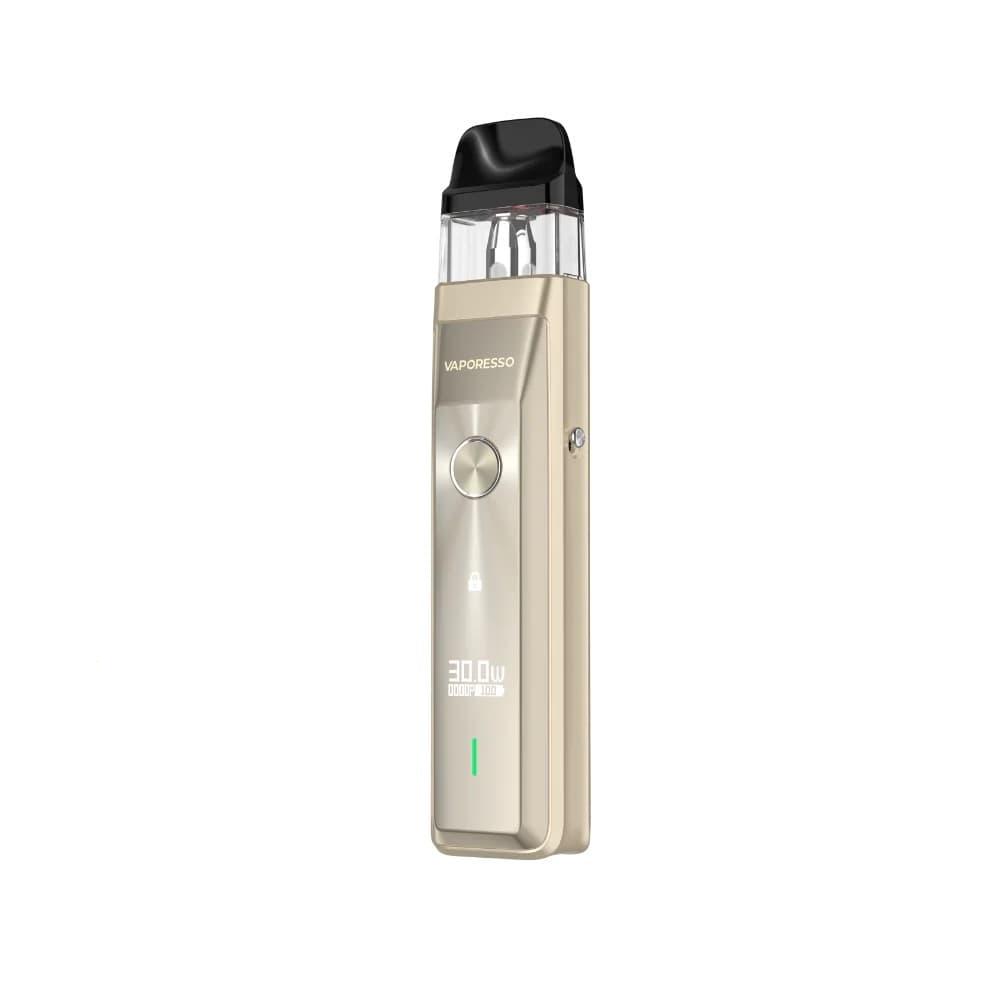
E-cigarettes have been touted as a less harmful alternative to smoking because they eliminate combustion. They contain e-liquids with varying levels of nicotine, and users can adjust their intake. Some research suggests that e-cigarettes can be more effective than patches for quitting because they mimic the behavioral and sensory aspects of smoking, providing a similar throat hit and exhaled vapor. However, critics argue that since vaping still introduces nicotine to the body, it may prolong dependence, and long-term health effects remain uncertain.
- How Nicotine Patches Work:
 Applied once daily, these patches maintain a consistent nicotine level, smoothing out the peaks and troughs that trigger cravings.
 - How E-cigarettes Function: Users inhale vaporized nicotine, delivering rapid effects; some adjust their dose by choosing stronger or weaker e-liquids.
While nicotine patches are typically used for a set period—usually 8 to 12 weeks—as part of a structured cessation program, e-cigarettes offer flexibility but can sometimes encourage ongoing nicotine use.
Which Method Delivers Better Results?
Comparing nicotine patches vs e cigarettes, recent studies highlight that both methods improve quit rates compared to unaided attempts. One UK clinical trial found that e-cigarettes were nearly twice as effective as patches in one-year abstinence from smoking.
E-cigarettes provided greater satisfaction for participants but came with a caveat: most users still relied on e-cigarettes after a year. Conversely, patch users were less likely to maintain nicotine use after their quitting journey.
Convenience, Side Effects & User Experience
The user experience matters in choosing between nicotine patches and e-cigarettes. Patches offer discretion, no odors, and simple application. Side effects may include skin irritation, insomnia, and vivid dreams. E-cigarettes may cause dry mouth, throat irritation, and, rarely, allergic reactions to e-liquid ingredients. Patches do not address the behavioral aspect of smoking—hand-to-mouth movements or inhalation ritual—while e-cigarettes more closely simulate it.
Some experts argue that behavioral factors make e-cigarettes a more effective quit tool for certain individuals.
Both nicotine patches vs e cigarettes have merits depending on one’s quitting style. If you’re a highly habitual smoker attached to the ritual, e-cigarettes may fit better. For those seeking a non-behavioral solution, patches might suffice.
Health Risks and Benefits
- Nicotine Patches: No lung exposure to vapor or smoke; established safety profile; minimal physical side effects.
- E-cigarettes: Fewer carcinogens than smoking; some unknowns about long-term inhalation safety; possibility of continued nicotine addiction.
Remember, the goal with both is to eventually eliminate nicotine reliance entirely. E-cigarettes, with attractive flavors and variety, may inadvertently encourage ongoing use versus short-term patch programs.
Choosing the Right Method for Your Needs
When making a decision, consider nicotine consumption habits, trigger situations, and whether you want to maintain the ritual of smoking. Consulting with a healthcare provider can help tailor the right cessation strategy for your personal circumstances, weighing whether nicotine patches vs e cigarettes best fits your plan.