Understanding Cadmium in E Cigarettes: Risks and Realities
As vaping gains popularity, concerns regarding the presence of toxic substances like cadmium in e cigarettes have come to the forefront. This comprehensive analysis dives deep into what cadmium is, how it infiltrates e-cigarettes, the associated health impacts, and what users should be aware of. Knowledge empowers safer decisions, especially regarding substances inhaled directly into the lungs.
What Is Cadmium and Why Is It Dangerous?
Cadmium is a naturally occurring heavy metal found in the environment, commonly used in batteries, pigments, and some industrial processes. Its notoriety, however, lies in its established toxicity. Cadmium is classified as a human carcinogen by agencies like the International Agency for Research on Cancer (IARC). Exposure, particularly through inhalation, poses risks to the kidneys, lungs, and skeletal system over prolonged periods.
Cadmium in Traditional Cigarettes vs. E Cigarettes
It is widely acknowledged that cadmium is found in cigarette smoke due to tobacco plants absorbing the metal from the soil. Comparatively, studies have detected cadmium in e cigarettes, but typically at significantly lower concentrations. The metals present in e-cigarette vapor often originate from heating coil components rather than from the e-liquid itself. Despite generally reduced levels in e-cigarettes, any exposure to cadmium, even in minimal amounts, raises concerns because of the cumulative effects heavy metals can have.
- Traditional cigarettes: Higher, more consistent cadmium levels.
- E-cigarettes: Cadmium may be present, often sourced from the device hardware.
How Does Cadmium Appear in E Cigarettes?
Cadmium can enter e-cigarette vapor primarily through the degradation of metal components such as coils made from alloys containing cadmium or from contamination during manufacturing. When heated to high temperatures, the metal can leach into the vapor that is then inhaled by users. Factors influencing the concentration of cadmium in e cigarettes include coil material, device temperature, and frequency of coil replacement.
Key Factors That Affect Cadmium Emission
- Type of heating coil used (nickel-chromium, kanthal, etc.)
- Design and maintenance of the device
- The quality of manufacturing and material sourcing
- Frequency and manner of vaping
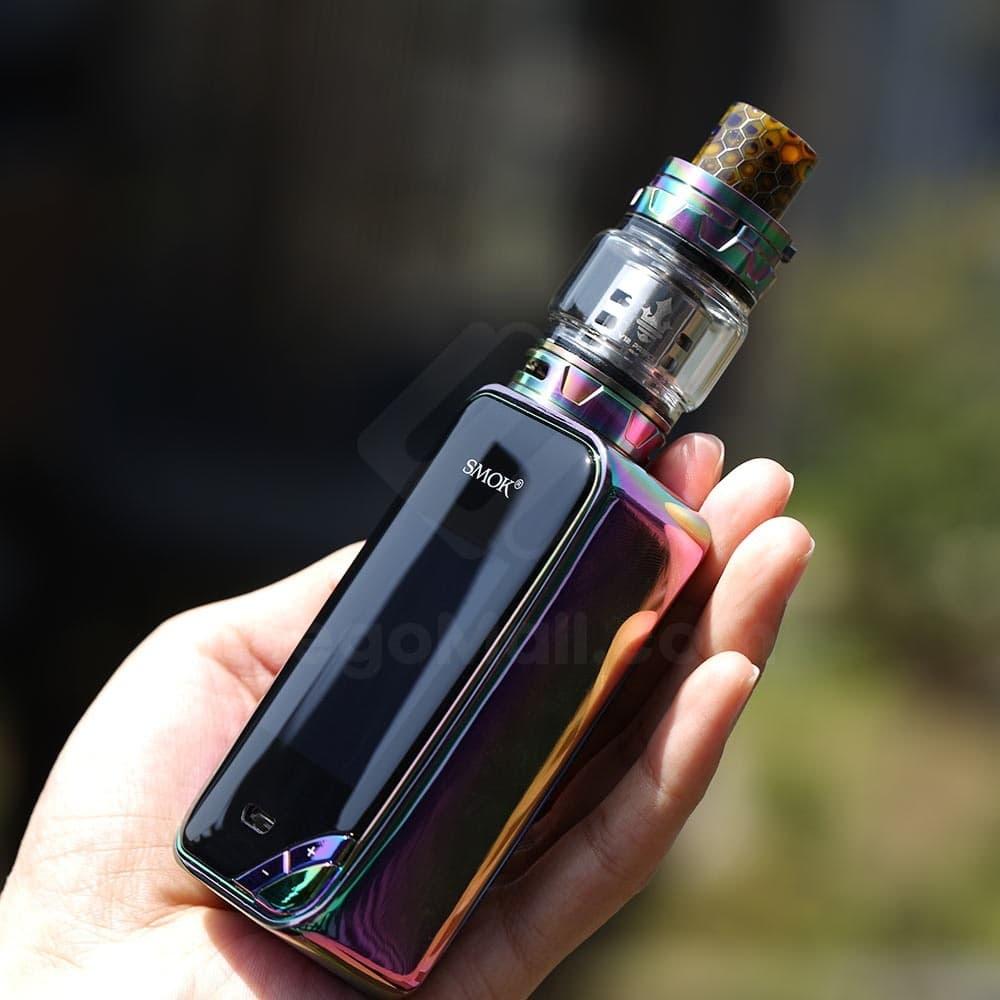
Consumers are advised to be aware of the materials used in their e-cigarette devices and to prioritize reputable brands that adhere to safety standards.
Health Effects of Cadmium Inhalation from E Cigarettes
Inhalation is one of the most harmful exposure routes for cadmium, as the metal rapidly penetrates lung tissue and enters the bloodstream. Over time, even low-level chronic exposure to cadmium in e cigarettes may contribute to various health issues.
| Health Effect | Description |
|---|---|
| Respiratory Issues | Prolonged inhalation can cause chronic obstructive pulmonary disease (COPD), lung inflammation, and impaired lung function. |
| Kidney Damage | Cadmium accumulates in the kidneys, impairing their ability to produce proteins necessary for blood filtration. |
| Bone Fragility | Interferes with calcium metabolism, potentially leading to osteoporosis. |
| Cancer Risk | Classified as a carcinogen; long-term exposure may increase risk of lung cancer. |
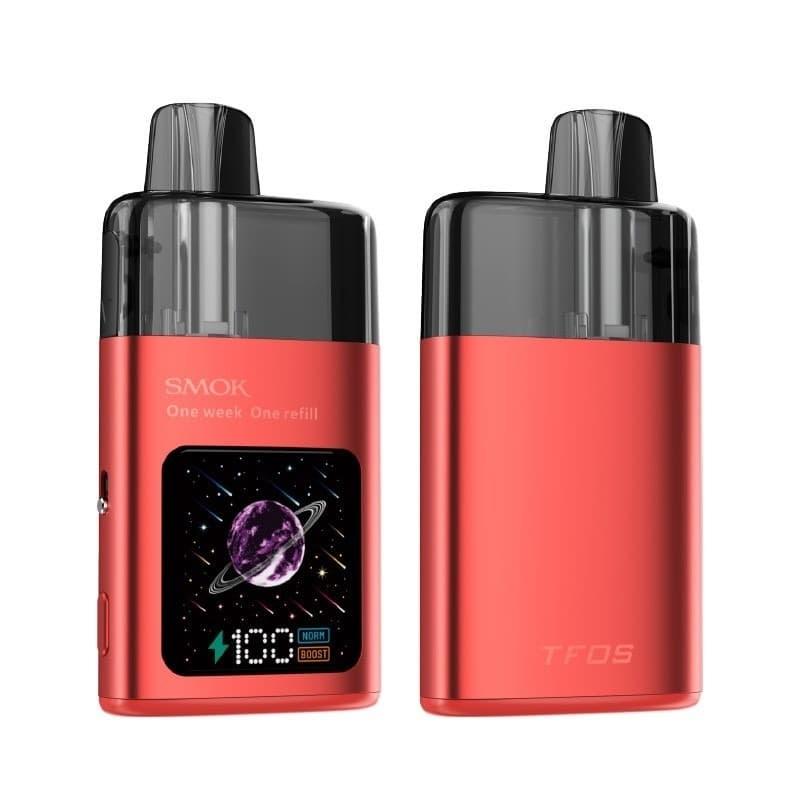
Existing research suggests that while the concentration of cadmium in e cigarettes may be lower than traditional cigarettes, it is not negligible. Susceptible populations, such as pregnant individuals, adolescents, and those with preexisting health conditions, may be at heightened risk.
Testing and Regulation for Cadmium in E Cigarettes
The regulation of toxic metals in vaping products varies globally. Some regions, including the European Union, have set limits for heavy metals in electronic nicotine devices, while others lack explicit standards. Many manufacturing best practices now emphasize material testing to reduce contamination risks. Third-party independent testing has become an important tool for both consumers and advocacy groups monitoring cadmium in e cigarettes on the market.
Tips for Minimizing Cadmium Exposure When Vaping
- Choose devices from reputable manufacturers with clear material safety policies.
- Replace coils frequently to avoid buildup and leaching of metals.
- Avoid using extremely high wattage or voltage, which can increase metal vaporization.
- Stay informed about product recalls and research on vaping safety.
Consumer awareness and proactive choices remain the most effective methods for reducing cadmium exposure until more comprehensive regulations and testing become standard worldwide.
Ongoing Research and Future Perspectives
The field of e-cigarette safety is evolving, with more studies focusing on the long-term impact of heavy metals such as cadmium. Recent advancements include improved coil materials and stricter quality controls. However, emerging disposable vape products and DIY modifications present new challenges for tracking and minimizing cadmium in e cigarettes. Stakeholders, including regulatory agencies, public health bodies, and industry leaders, are collaborating to fill research gaps—striving for a safer vaping landscape for all.
Frequently Asked Questions About Cadmium in E Cigarettes
- Q1: Are there any e-cigarette brands completely free of cadmium?
- While some brands use higher-quality materials that reduce cadmium leakage, it is difficult to guarantee a product is entirely free of heavy metal contamination due to variable manufacturing practices. Always choose trusted, well-reviewed brands and stay updated with independent test results.
- Q2: Does switching from traditional cigarettes to vaping eliminate the exposure to cadmium?
- Switching to vaping may lower but not completely eliminate cadmium exposure, as device components can still contribute trace amounts, especially if poorly manufactured or maintained.
- Q3: Should I be concerned about cadmium if I only vape occasionally?
- Occasional vaping likely poses a lower risk than daily use, but no exposure to cadmium is considered entirely safe. If you’re concerned about potential health effects, seek devices with third-party safety certifications and avoid extended use.