The ongoing debate between cigarettes and e-cigarettes continues to spark interest, as individuals weigh health risks and lifestyle factors. This comprehensive analysis explores the key differences between traditional cigarettes and e-cigarettes, highlighting their respective health implications and how each fits within modern lifestyle choices. Smoking, in its conventional form, has been linked to an array of health complications due to the combustion of tobacco and inhalation of hazardous chemicals. E-cigarettes, often touted as a safer alternative, deliver nicotine via vapor rather than smoke. However, the reality is more nuanced and deserves a closer look.
Health Risks: Cigarettes vs. E-Cigarettes
Traditional cigarettes have long been associated with serious illnesses, such as lung cancer, heart disease, stroke, chronic obstructive pulmonary disease (COPD), and numerous other respiratory and vascular conditions. This is primarily due to the thousands of harmful chemicals released during tobacco combustion, including tar, carbon monoxide, and carcinogens. Nicotine, although addictive, is not the chief culprit behind cancer; however, its presence in both cigarettes and e-cigarettes contributes significantly to dependence and other health issues.
The advent of e-cigarettes introduced the concept of vaporized nicotine delivery, which eliminates many of the combustion by-products found in regular cigarettes. Nonetheless, e-cigarettes are not risk-free. They contain various chemical flavorings, propylene glycol, vegetable glycerin, and nicotine. Some studies have raised concerns about the inhalation of certain chemicals found in e-liquids, such as formaldehyde and acrolein, which may contribute to respiratory irritation or other potential harmful effects. Recent research has also noted incidents of lung injury linked to vaping, often associated with misuse or contaminated products.

Lifestyle Choices and Social Factors
The prevalence of cigarettes and e-cigarettes also reflects changing societal norms and personal preferences. Classic cigarette smoking has long been embedded in social rituals and even glamorized by media over past decades, though today, most societies are moving towards smoke-free environments. Smell, lingering stains, and the impact on nonsmokers have made cigarettes less socially acceptable in public and private spaces.
E-cigarettes, in contrast, offer subtler aromas and less visible vapor, making them favored for discreet use. Devices are often customizable, allowing users a range of nicotine levels and flavor options, which appeals to those seeking personal expression or a controlled quitting strategy. However, vaping is far from universally accepted: some public areas restrict e-cigarette use just as strictly as cigarettes, and negative perceptions still exist owing to its unknown long-term effects.
Comparative Addictiveness and Behavioral Impact
Both cigarettes and e-cigarettes deliver nicotine, a potent stimulant that triggers dependence. Studies suggest e-cigarettes are often perceived as less addictive, yet research indicates users may end up consuming comparable—or larger—quantities of nicotine, especially with devices tailored for higher concentrations. Adolescents, in particular, are vulnerable to addiction, and vaping has sparked concern about gateway effects leading non-smokers to nicotine use. Behaviorally, both products can reinforce daily rituals, social bonding, and stress-relief patterns, impacting lifestyle decisions beyond health outcomes.
Environmental Considerations
Both forms of nicotine consumption pose environmental threats. Cigarette butts are one of the most littered objects worldwide, leaching toxic chemicals into ecosystems. E-cigarettes, with their batteries, cartridges, and plastic components, present new challenges for recycling and waste management. The surge in disposable vaping devices exacerbates electronic waste output.
Cost and Access
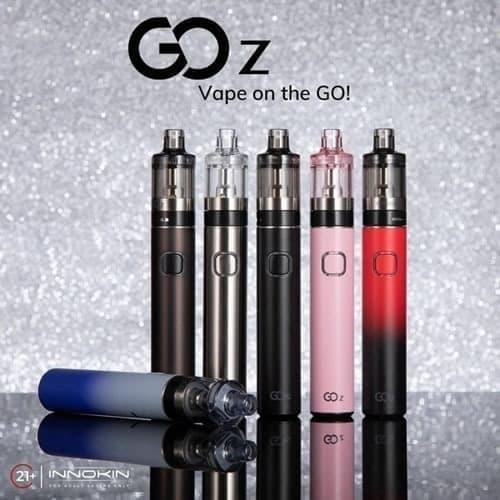
Cigarette prices have risen steadily due to taxation and regulation, often making smoking an expensive habit, especially over years. E-cigarettes require upfront investment in devices, but the cost of e-liquids and replacement parts varies, sometimes resulting in lower ongoing expenses. Both are widely available, sometimes controversially marketed to younger populations.