Improving simple vaping devices: airflow tuning and sensor-driven control for better draws
This long-form guide explains practical strategies to elevate the user experience of compact and straightforward vape setups, focusing on how pressure-aware components and smart airflow feedback can transform efficiency. Whether you manage minimalist pod systems, disposable models, or straightforward rechargeable sticks, the principles here are applicable. The combination of precise sensing and tuned airflow can make jednostavne e-cigarete feel more refined, keep throat hits consistent, and extend autonomy between charges.
Why airflow sensing matters for compact devices
Good draw quality is not just a comfort feature: it is a core product differentiator for jednostavne e-cigarete and a direct influencer of power consumption. Traditional direct-drive or mechanical airflow paths rely solely on fixed holes and passive restriction. By contrast, a design that integrates a micro air pressure sensor for electronic cigarette measurement can detect the user’s inhale profile and adjust the system’s response. This can reduce wasted coil activation time, prevent over-firing, and create a smoother, consistent draw across different users and conditions.
Key user experience improvements enabled by air pressure feedback
- Smoother initial draw: sensors detect the initial low-pressure transient and engage power delivery with a tailored ramp rather than an abrupt spike.
- Consistent flavor and throat hit: compensation for partial occlusion, head tilt, or changes in coil resistance keeps the perceived experience stable.
- Longer battery life: smarter firing logic reduces on-time and limits overcurrent events, extending usable cycles.
- Adaptive puff profiling: devices can learn and store simple user preferences (soft, medium, strong draws) based on measured pressure curves.
What is a micro air pressure sensor and how it works in a vape
The term micro air pressure sensor for electronic cigarette generally refers to a tiny differential or absolute pressure transducer that measures airflow-induced pressure changes inside an airflow channel or sensing port. These MEMS-based sensors are compact, low-power, and fast enough to capture the dynamics of a typical vape puff. Integrated into a controller system, readings are sampled during the inhale window, and firmware applies algorithms to determine initiation, confirmed draw, and sustained inhale patterns. The result is a response that is both swift and proportionate.

Sensor placement and mechanical considerations
Optimal placement of a micro air pressure sensor for electronic cigarette is essential: it must be close enough to the airflow path to capture relevant pressure swings but isolated from condensation and aerosolized material. Common strategies include a small sensing port behind the mouthpiece, an internal tube channeling pressure to the sensor, or a guarded recess that prevents direct liquid contact while still offering accurate pressure transmission. Mechanical dampening or micro-filter membranes can mitigate noise from turbulent flows and sudden liquid ingress.
Firmware strategies: translating pressure curves into action
Simple threshold logic can already offer meaningful improvements: when the sensor reading falls below a calibrated pressure, the controller triggers the coil with a short preheat profile and a smooth ramp. More advanced strategies include:
- Dynamic ramping: increase voltage or current proportionally with measured inhalation strength to reduce overshoot.
- Adaptive cut-offs: terminate heating based on flow reduction to avoid wasting energy when the user stops inhaling.
- Noise filtering and debounce: apply moving-average or Kalman filters to remove turbulence spikes while preserving transient edges.
- Profile learning: store typical draw curves and apply per-user adjustments after several puffs.
These firmware strategies reduce active heating time and match energy delivery to user intent, improving both subjective feel and battery longevity for jednostavne e-cigarete.
Power management: extending battery life without sacrificing performance
Battery life is a major decision factor for users of simple devices. When a micro air pressure sensor for electronic cigarette is integrated effectively, the device avoids full-power activations on weak or accidental draws, performs minimal necessary preheat cycles, and uses shorter duty cycles. Additional hardware-level measures complement sensor-driven logic:
- Low quiescent controllers and sleep modes that wake only on significant pressure change.
- Adaptive boost converters that deliver only the voltage needed for the current draw profile.
- Smart thermal protection that prevents repeated high-energy firings that waste battery and shorten coil life.
Together, these changes can produce measurable improvements in puffs-per-charge for jednostavne e-cigarete while keeping the device responsive.
Design trade-offs and cost considerations
Adding a micro air pressure sensor has engineering and cost implications. MEMS sensors suitable for vaping are competitively priced at scale, but they require PCB space, an ADC or I2C/SPI interface, and firmware development. When designing or selecting components, prioritize sensors with robust sealing options and a small footprint. For low-cost lines, manufacturers may choose one calibrated sensor variant and tune the firmware for several device models to amortize development costs across product families.
Mechanical design tips to preserve sensor accuracy
Protect the sensing path from droplets: the presence of e-liquid on the sensor diaphragm degrades readings and can cause failure. Use hydrophobic channels, microfilters, or a small capillary tube to divert condensate. Ensure the airflow channel geometry avoids sharp expansions or contractions near the sensor, which produces turbulent noise. For consistent readings across manufacturing batches, define tight tolerances on the sensing port diameter and the distance to the mouthpiece.
Calibration and quality checks at production

Factory calibration improves out-of-box feel and reduces the need for on-device learning. A simple calibration routine exposes the device to standard pressure steps and records baseline offsets, sensitivity, and noise characteristics. Store calibration constants in non-volatile memory and run a quick self-check during initial boot. QA tests should include repeated automated puffs to detect drift, leakage tests to ensure ports are sealed properly, and soak tests to evaluate condensation resilience.
User-centered tuning: presets and manual adjustments
For consumers, offering a few preset draw profiles (e.g., “soft”, “balanced”, “direct”) allows the device to be flexible without overwhelming complexity. Each preset maps to different detection thresholds and ramp parameters derived from micro air pressure sensor for electronic cigarette readings. A simple LED or haptic feedback can confirm profile selection, and a quick button or long-press can cycle through modes. This keeps jednostavne e-cigarete approachable while delivering noticeable personalization.
Testing methodology for meaningful metrics
When evaluating improvements, measure both subjective and objective metrics. Objective tests include puffs-per-charge at fixed puff definitions, average on-time per puff, coil temperature profiles, and sensor response times. Subjective tests should involve a diverse panel sampling different inhale strengths, durations, and environmental conditions. Compare baseline (no pressure sensing) to sensor-enabled profiles to quantify gains in smoothness and battery life. Track mean and variance: reducing variability often feels as valuable as increasing average performance.
Maintenance and user guidance
End-users benefit from simple maintenance tips that preserve sensor performance: keep the mouthpiece clean, avoid overly aggressive tilting during use, and store the device upright when possible. If the device includes a removable mouthpiece, advise occasional inspection and cleaning of the sensing port with a dry swab. Include a troubleshooting guide in the packaging that explains common symptoms (stalling draws, inconsistent firing) and steps to resolve them. Well-crafted user guidance reduces support requests and enhances long-term satisfaction with jednostavne e-cigarete.
Regulatory and safety considerations
When integrating sensing and control algorithms, follow best practices for electrical safety and thermal protection. Ensure that firmware has safe fallback behavior if the sensor fails or reports implausible values: default to conservative thresholds, disable automatic ramping, or require user intervention. Maintain logs of critical events where possible (without violating privacy) to assist in warranty and safety investigations. Be mindful of local regulations governing electronic nicotine delivery systems; sensor features must not circumvent mandated protections or advertising restrictions.
Implementation checklist for engineers and product managers
- Choose a MEMS pressure sensor rated for small pressure differentials and with robust condensation handling.
- Design a protected sensing port or micro-tube to keep liquid away from the diaphragm.
- Implement low-power wake-up and debounce circuits tied to pressure changes.
- Create firmware state machines: idle → detect → ramp → sustain → cut-off → cool-down.
- Run QA automation for calibration and long-run drift tests.
- Create user-friendly presets and simple UI feedback for profile selection.
- Document maintenance and safety instructions clearly in packaging and online support.
Applying these steps will make jednostavne e-cigarete feel more polished and efficient without increasing user complexity.
Case study summary: micro-sensing benefits in practice
Consider a compact pod device that historically averaged 200 puffs per charge. By adding a micro air pressure sensor for electronic cigarette and implementing adaptive ramping plus a 20% reduction in unnecessary coil on-time, the same device can achieve a tangible increase in puffs-per-charge, smoother draws for a wide range of users, and fewer overheat events that prematurely age coils. The greatest benefits appear for users with varied inhale strengths: the sensor normalizes experience and reduces complaints about weak or harsh draws.
Future directions: AI-assisted personalization and multi-sensor fusion
As devices evolve, combining pressure sensing with temperature, impedance, and even simple accelerometer inputs can enable richer context-aware control. Lightweight machine learning models can learn a user’s preferred draw signature and optimize control parameters on-device. Careful attention to privacy and resource consumption ensures that such enhancements remain aligned with the low-cost, low-power ethos of jednostavne e-cigarete.
Conclusion
Integrating a micro air pressure sensor for electronic cigarette into simple vaping products is a high-impact design choice: it improves draw quality, reduces wasted energy, and creates a more consistent user experience. With thoughtful placement, robust mechanical design, and intelligent firmware, manufacturers can upgrade entry-level devices into premium-feeling products while preserving cost-effectiveness and battery life. Prioritizing calibration, protection from condensation, and user-friendly presets will accelerate adoption and reduce support costs.
Maintenance checklist for users
Simple habits preserve performance: 1) regularly inspect the mouthpiece and sensing port, 2) keep the device dry and upright when storing, 3) select an appropriate preset for your draw style, 4) update firmware when provided by the manufacturer, and 5) follow cleaning guidance to avoid liquid ingress near the sensor. Proper use protects the sensor and ensures consistent draws and longer battery life for jednostavne e-cigarete.
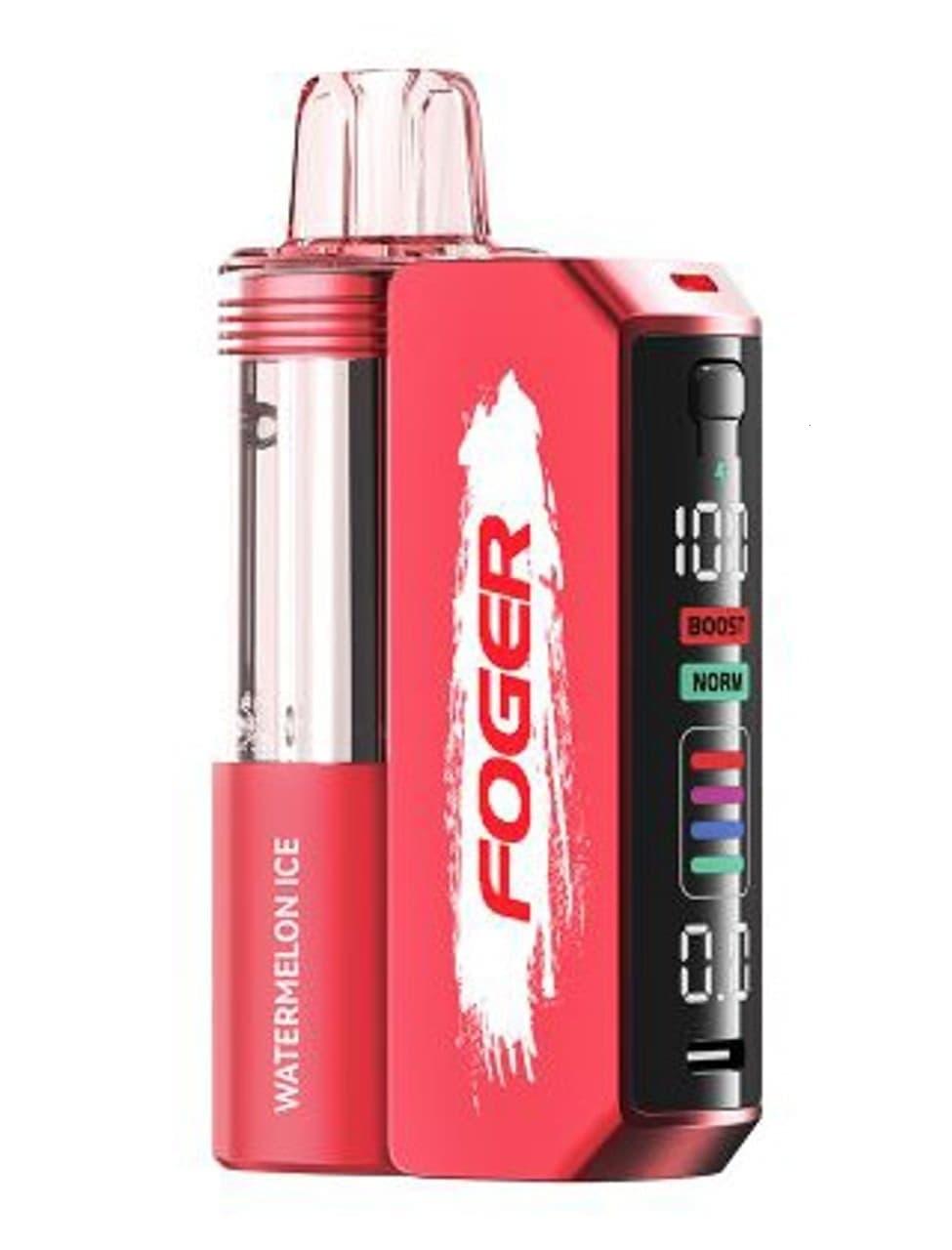 jednostavne e-cigarete performance using micro air pressure sensor for electronic cigarette for smoother draws and longer battery life” />
Where to find components and further resources
Component suppliers for micro pressure sensors include leading MEMS manufacturers; partner with suppliers who publish datasheets and reliability data relevant to aerosol environments. Open-source communities and applied electronics forums often publish reference firmware patterns for debounce, ramping, and cut-off logic. For teams building devices, prototyping with modular sensor breakout boards is an economical first step before committing to custom PCB integration. Implement staged validation from benchtop to user trials to ensure real-world robustness.
By aligning mechanical design, sensing, and intelligent control, designers can significantly enhance the perceived quality and practical endurance of simple vaping devices without introducing unnecessary complexity for users. The targeted use of jednostavne e-cigarete improvements powered by a micro air pressure sensor for electronic cigarette makes the product more satisfying, energy-efficient, and competitive.
FAQ
Q: How often does the pressure sensor need replacement? A: With proper protection and routine cleaning, modern MEMS sensors typically last the expected life of the device; failures are uncommon if condensation and liquid ingress are prevented. For high-use products, validate sensor lifetime in accelerated tests.
Q: Will adding a sensor significantly increase production cost? A: The incremental bill-of-materials cost is modest at scale; the main investments are in firmware development and minor PCB real estate. Many teams recoup costs through improved user satisfaction and reduced returns.
Q: Can older simple devices be retrofitted with pressure sensing? A: Retrofit is feasible for modular systems but often impractical for sealed disposables. New generations should design sensing into the initial architecture for best results.