IBvape e-zigaretten insights and a clear look at whether vaping can be a healthier alternative
If you are evaluating compact vapers, starter kits, or curious about nicotine alternatives, this long-form guide explores a popular European brand alongside the broader public health question: are e cigarettes healthier than regular cigarettes? The goal here is practical, evidence-informed guidance that helps adult smokers make safer choices or understand trade-offs. The focus is on device performance, user experience, liquid options, safety considerations, and scientific context for risk comparison.
Executive summary
In short: some modern vaping devices, including those similar to what IBvape e-zigaretten markets, can reduce exposure to many combustion-related toxins found in tobacco smoke. However, reduced exposure is not the same as harmless. Nicotine addiction and some long-term uncertainties remain. Whether are e cigarettes healthier than regular cigarettes is answered depends on what you compare — short-term toxin exposure, long-term disease risk, or social/behavioral factors.
What does IBvape offer?
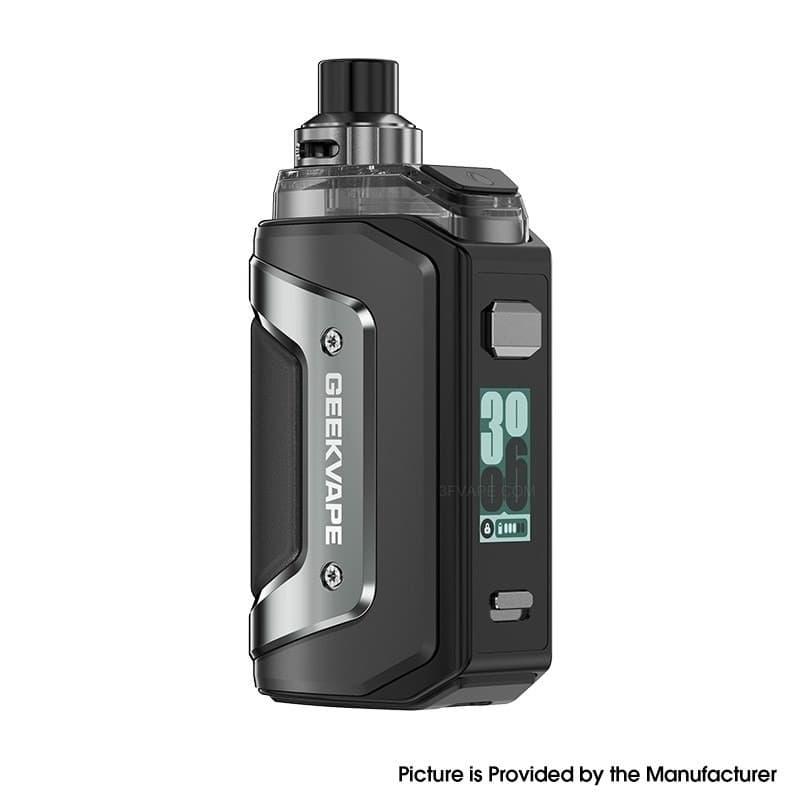
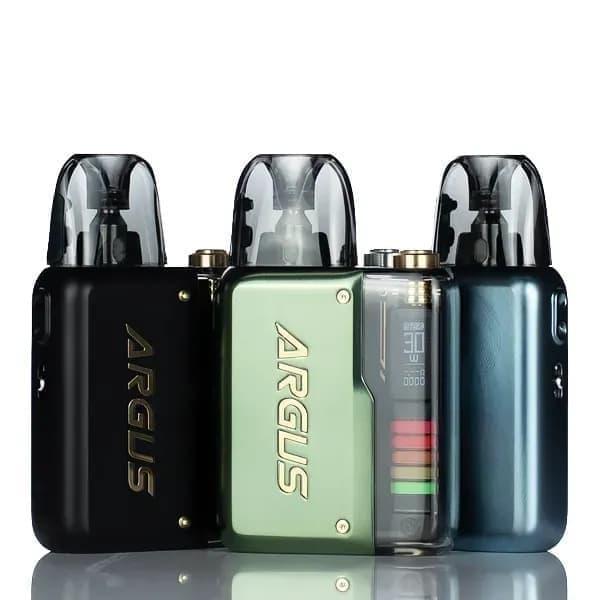
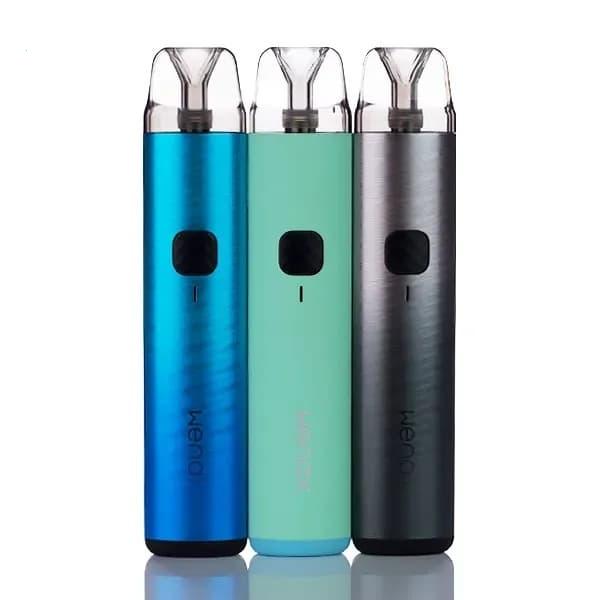
IBvape-type systems typically include compact pod devices, prefilled or refillable cartridges, and a modest power output designed for mouth-to-lung (MTL) vaping. These products prioritize portability, simplicity, and a balance between throat hit and vapor production. Common features to evaluate:
- Build and finish: lightweight chassis, magnetic pod connection, and child-resistant pod caps in reputable markets.
- Battery life: low-to-moderate capacity suitable for day-to-day use; quick-charge may or may not be offered.
- Coil and wick design: small coils optimized for nicotine salts or low-PG/PG-VG blends to reduce harshness.
- Flavor variety
 : wide range from tobacco to fruits and desserts; flavor quality varies by supplier.
 - Price and availability: often mid-range pricing with disposable or refillable options.
Performance and real-world use
Users switching from cigarettes to a product like IBvape e-zigaretten can expect different sensory experiences. Vapor feels cooler and cleaner than smoke. Nicotine delivery depends on the liquid, device airflow, and inhalation style. Nicotine salts formulated for small pod systems deliver a smoother throat hit even at higher concentrations, which helps smokers transition without needing to inhale harsh vapor. Common user feedback highlights convenience and reduced lingering odor as major benefits.
Pros
- Less offensive smell and residue.
- Lower exposure to products of combustion (tar, carbon monoxide, many carcinogens).
- Customization of nicotine levels to taper down over time.
- Discreet use and instant flavor changes.
Cons
- Potential device or liquid quality differences between brands.
- Nicotine dependence persists if users continue vaping with nicotine-containing e-liquids.
- Some users report dry mouth, throat irritation, or transient cough when beginning to vape.
- High-concentration nicotine liquids can be risky for children and pets if mishandled.
Health comparison: are e cigarettes healthier than regular cigarettes?
Answering whether are e cigarettes healthier than regular cigarettes requires nuance. Health risk exists on a spectrum rather than a binary yes/no. Peer-reviewed studies indicate that vaping typically exposes users to fewer and lower levels of toxicants than tobacco smoke. Key points to consider:
- Toxicant profile: Combustion creates thousands of chemicals; dozens are known carcinogens. E-liquids heated at moderate temperatures primarily produce nicotine, propylene glycol, vegetable glycerin, flavorings, and smaller amounts of thermal degradation products. This generally means lower concentrations of many smoke-related toxins.
- Cardiopulmonary effects: Short-term studies show improvements in some biomarkers when smokers completely switch to e-cigarettes. Yet, vaping is not inert: certain aerosol constituents can provoke airway irritation, oxidative stress, and endothelial changes in the short term. Long-term cardiovascular and pulmonary risks require more longitudinal data.
- Cancer risk: Reduced exposure to known carcinogens suggests a lower cancer risk for exclusive vapers compared to continuing smokers, but exact lifetime risk differences are still being quantified.
- Harm reduction vs abstinence: For smokers who cannot quit with other methods, switching completely to vaping appears less harmful than continuing to smoke. However, complete cessation of all nicotine products remains the healthiest option.
What major health bodies say
Public health agencies have varied messaging. Some organizations endorse e-cigarettes as a potential harm reduction tool for smokers while cautioning against youth uptake. Others emphasize uncertainties and call for strict regulation. This balanced stance reflects evidence that vaping is less harmful than smoking for adults who switch completely, but not risk-free—especially for young people and non-smokers.
Key scientific caveats
When evaluating whether are e cigarettes healthier than regular cigarettes, consider evidence limitations:
- Long-term epidemiological studies are still in progress because modern e-cigarettes are relatively new.
- Variability across devices, liquids, and user behavior complicates generalizations.
- Flavoring chemicals may have inhalation risks that are not fully characterized.
- Dual use (both vaping and smoking) reduces the potential health gains from switching.
Nicotine: friend, foe, and addiction
Nicotine is the addictive component of tobacco but is not the main cause of smoking-related diseases; rather, combustion products drive the most harm. Nicotine itself influences heart rate, blood pressure, and the brain’s reward system. Systems like IBvape e-zigaretten often use nicotine salts to provide rapid satisfaction. While nicotine replacement can be an effective bridge for smoking cessation, continued nicotine dependence has implications for mental and cardiovascular health and is undesirable for non-smokers, teens, pregnant people, and those with certain conditions.
Practical advice for smokers considering a switch
For adult smokers contemplating an IBvape-style device or other e-cigarettes, follow pragmatic steps:
- Assess motives
 : If the goal is to quit, set a clear plan and consider combining behavioral support with product selection.
 - Choose the right product: Pod systems that mimic cigarette draw and use nicotine salts often provide the best chance to avoid relapse for heavy smokers.
- Start with an appropriate nicotine level: Too low can trigger dual use; too high can cause side effects. Titrate downward over weeks to months as cravings subside.
- Avoid tinkering with devices: Rebuilding coils or modifying voltages can increase toxicant formation if done improperly.
- Buy reputable liquids: Look for manufacturers that disclose ingredients and adhere to local regulations.
Safety, maintenance and legal considerations
Keep these safety steps in mind when using devices similar to IBvape e-zigaretten:
- Charge with the manufacturer-provided cable and avoid leaving batteries unattended while charging.
- Store e-liquids safely away from children and pets; nicotine can be toxic in concentrated form.
- Follow local laws: many countries restrict sales to adults and regulate flavors, packaging, and marketing.
- Be wary of counterfeit products which may lack safety features.
Behavioral and social factors
Switching from smoking to vaping often involves changing routines: places you previously smoked, social triggers, and sensory rituals. Vaping replicates some rituals (hand-to-mouth action, throat hit) which can help smokers adapt. On the other hand, vaping in smoke-free spaces remains controversial and social norms are evolving.
Environmental and disposal considerations
While vaping reduces secondhand smoke-related litter (butt waste), single-use devices and disposable pods raise battery and plastic waste concerns. Responsible disposal and choosing recyclable or refillable systems reduce environmental impact.
Summary: practical conclusions for curious smokers
To recap the central SEO-aware questions: products like IBvape e-zigaretten can be part of a harm reduction option for adult smokers. Evidence consistently indicates that switching completely from combustible cigarettes to e-cigarettes reduces exposure to many harmful chemicals; therefore, for many people, are e cigarettes healthier than regular cigarettes can be answered as “generally less harmful” but not “safe.” Key determinants of benefit include exclusive switching (no dual use), quality of product, and the user’s age and health status. Those who have never smoked should not start vaping.
Buyer checklist
Before choosing a device:
- Confirm age restrictions and purchase from reputable outlets.
- Check battery and pod safety features.
- Prefer refillable pods to minimize long-term costs and waste if you plan sustained use.
- Keep a nicotine tapering plan if your goal is cessation.
Final thoughts
From an evidence-based, harm-reduction perspective, switching from smoked tobacco to regulated e-cigarettes generally reduces exposure to many toxicants, making vaping a less harmful alternative for adult smokers who would otherwise continue to smoke. However, it is not risk free. The best health outcome remains complete nicotine cessation. For those choosing to switch, thoughtful product selection, adherence to safety guidance, and a plan to quit nicotine eventually provide the most meaningful benefits.
Further reading and sources
For detailed, up-to-date reviews consult peer-reviewed journals, government health advisories, and reputable clinical guidelines about smoking cessation and vaping risks. Look for systematic reviews and longitudinal cohort studies when comparing long-term outcomes.
Whether evaluating a specific brand experience or asking the public health question are e cigarettes healthier than regular cigarettes, an informed, cautious, and adult-only approach is essential.
FAQ
Q1: Can switching to a product like IBvape immediately reduce health risks?
A1: Switching can reduce exposure to many harmful combustion products quickly, but some short-term effects (irritation, heart rate changes) may persist; risk reduction is greater if you stop smoking completely rather than dual use.
Q2: Are flavored liquids more dangerous?
A2: Some flavoring compounds are safe for ingestion but their inhalation safety is less well studied. Choosing liquids from reputable manufacturers and avoiding unknown or heavily modified mixtures reduces risk.
Q3: Will vaping help me quit nicotine altogether?
A3: Some smokers successfully use vaping as a step-down tool to quit nicotine; success varies. Combining behavioral support with a tapering nicotine plan improves outcomes.