Comprehensive look at the IBVAPE experience and the health question: do e cigarettes damage your lungs?
This long-form guide focuses on real-world evaluation of the IBVAPE E-Cigi device and a clear, evidence-based discussion around the central public-health question: do e cigarettes damage your lungs? The aim is to give practical usability insight, critical safety analysis and step-by-step tips to reduce risk for adults who already vape and for people comparing options. Throughout this article you will see careful repetition of targeted search phrases such as IBVAPE E-Cigi and do e cigarettes damage your lungs to signal relevance in search and to make content easy to scan for readers and search engines alike.
Overview: what the IBVAPE offering looks like
The IBVAPE E-Cigi category positions itself as a user-friendly alternative to combusted tobacco. IBVAPE units generally combine a compact battery, a refillable or replaceable cartridge system, simple activation controls and a variety of e-liquid choices. In our structured review we assess build quality, battery life, flavor fidelity, leak resistance, throat hit and cartridge compatibility. These are the variables most likely to affect user satisfaction and, indirectly, exposure levels that matter when considering the question do e cigarettes damage your lungs?
Design and ergonomics
IBVAPE products typically emphasize ergonomic shape and lightweight materials. The external finish and mouthpiece design influence comfort during extended use and can affect how frequently someone puffs — a behavioral factor relevant to exposure. We note whether the device has adjustable airflow, visible e-liquid windows, and a secure magnetic connection between the pod and battery module.
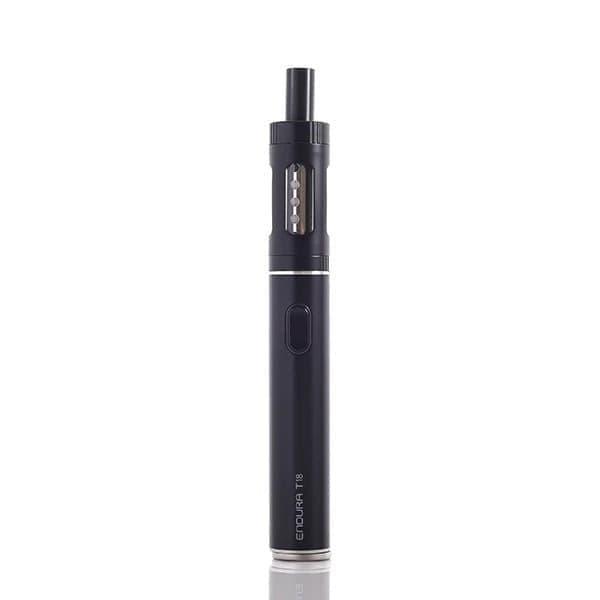 IBVAPE E-Cigi review and do e cigarettes damage your lungs explained by experts with practical safety tips” />
Battery and charging
Battery capacity varies by model; smaller pod devices often prioritize form factor over hours of continuous use. Charging speed and whether the device uses USB-C or micro-USB can change user convenience. Reliable batteries avoid power spikes and overheating, reducing one class of device-related hazards unrelated to direct inhalation risks.
Performance: flavor, vapor production and consistency
Flavor reproduction and vapor density are frequently cited by users when choosing a brand. The IBVAPE E-Cigi series tends to offer moderate vapor clouds suitable for discreet use. Coil resistance and pod design determine taste longevity and throat sensation. Good performance with minimal dry hits or burnt taste reduces the likelihood of compensatory behavior (like taking more puffs), which may influence cumulative exposure.
Maintenance and reliability
Easy pod replacement, clear user guidance and quality control in manufacturing are hallmarks of reliable devices. Leaks, inconsistent coil performance or persistent malfunctions undermine well-being and user trust. We evaluate warranty transparency and the availability of replacement parts when considering long-term value.
What science says: can vaping harm lung tissue?
When people ask do e cigarettes damage your lungs they are usually asking whether inhaling e-liquid aerosol causes short-term or long-term respiratory injury compared to smoking cigarettes. The research is evolving. Peer-reviewed studies show that e-cigarette aerosol contains fewer combustion-related toxicants than cigarette smoke, but it is not inert: it can contain nicotine, ultrafine particles, flavoring agents, volatile organic compounds and low levels of carbonyls. Key findings include:
- Acute effects: Short-term studies report transient airway irritation, coughing and increased airway resistance in some users, particularly when using high-wattage devices or flavors that are irritants.
- Inflammatory markers: Biomarker studies in some populations show increased markers of inflammation in the respiratory tract after switching to or starting e-cigarettes, although levels are often lower than in smokers.
- Chronic evidence: Long-term epidemiological data are limited, because widespread e-cigarette use is relatively recent. Some cohort studies link vaping to increased odds of respiratory symptoms, but causal inferences remain tentative due to confounding factors like prior smoking.
Distinguishing device risk from product risk
Not all e-cigarettes are identical. A pod-based IBVAPE E-Cigi with controlled power output will likely produce fewer thermal decomposition products than a high-power, poorly assembled mod with overheated coils. Therefore risk assessments should consider device type, e-liquid composition (especially flavor chemistry), user behavior (frequency and depth of inhalation), and whether nicotine is present.
Specific ingredients of concern
Some flavoring compounds such as diacetyl have been associated with bronchiolitis obliterans (a rare but serious lung disease) when inhaled in occupational settings. While most e-liquid manufacturers have removed diacetyl, flavor chemistry remains under scrutiny. Propylene glycol and vegetable glycerin form the aerosol base; both are generally recognized as safe for ingestion but less well-characterized for long-term inhalation. Metals from coils and device components have been detected in aerosols at low concentrations; chronic implications are not fully delineated.
Expert perspective: measured risk and harm reduction
Leading public health bodies generally agree on a harm continuum: smoking combusted tobacco is the most harmful, while nicotine replacement therapy is among the least harmful nicotine sources. Vaping, including products like the IBVAPE E-Cigi, sits between these extremes. For adult smokers who cannot or will not quit by other means, switching completely to e-cigarettes may reduce exposure to certain toxicants. However, initiating vaping among non-smokers—especially youth—is discouraged due to nicotine addiction potential and unknown long-term respiratory consequences.
Clinical reports and special cases
Between 2019 and 2020 there was a cluster of acute lung injuries associated with illicit THC-containing products adulterated with vitamin E acetate. These events do not reflect the typical commercial nicotine e-cigarette market, but they underscore the hazard of unregulated supply chains. Clinicians advise that legally manufactured, lab-tested nicotine e-liquids have a different risk profile than illicit formulations.
Practical safety tips for current users
Users asking how to minimize harm while using devices like IBVAPE E-Cigi should focus on device quality, e-liquid transparency and usage patterns. The following steps are practical and evidence-aligned:
- Choose devices with temperature control or limited maximum wattage to avoid overheating e-liquid and generating higher levels of thermal decomposition products.
- Use e-liquids from reputable manufacturers that publish ingredient lists and batch testing where available; avoid homemade or illicit mixtures.
- Prefer nicotine-salt formulations at appropriate concentrations for pod systems to reduce frequent puffing behavior; this reduces total aerosol exposure for some users.
- Replace pods or coils on a routine schedule and avoid using burned or “dry-hit” tasting products that indicate coil failure.
- Store e-liquids and devices away from children and pets, and follow battery safety guidance to prevent thermal events.
- If you have pre-existing lung disease, consult a healthcare professional before switching to or starting e-cigarette use because individual responses vary.
Behavioral tips to reduce exposure
Mindful vaping — controlling puff duration, avoiding deep inhalation into the lungs if experiencing irritation, and tracking daily puff counts — can help users reduce cumulative aerosol exposure. Quitting nicotine entirely remains the healthiest option for non-smokers.
Comparisons: IBVAPE E-Cigi vs alternatives
When potential buyers compare IBVAPE E-Cigi models with competing pod systems or closed-cartridge brands, consider these comparative factors: safety and quality certifications, battery management, coil design, e-liquid ecosystem and customer support. A slightly higher upfront cost for a trusted brand often provides lower long-term risk through better engineering and quality control.
Checklist for buyers
Before purchase, verify:
- Clear manufacturer information and contact details.
- Ingredient transparency for starter e-liquids.
- Ease of maintenance and availability of replacement parts.
- Positive independent reviews and absence of widespread safety recalls.
How to interpret new studies & media headlines
Headlines often oversimplify the nuanced question do e cigarettes damage your lungs? Evaluate study design: animal studies, in vitro experiments and short-term human exposure research illuminate mechanisms but do not always predict chronic outcomes in real-life conditions. Population studies provide associations but are vulnerable to confounding if prior smoking is common among vapers. Look for meta-analyses, longitudinal cohorts and transparent funding disclosures to weigh evidence reliably.
Red flags in research reporting
Be cautious with claims that do not specify the product type or e-liquid composition. Studies that fail to disclose device power settings, coil material, or chemical analysis of aerosols yield limited actionable conclusions.
Practical plan for smokers considering switching
For smokers contemplating a switch to reduce harm, a pragmatic plan may include: consulting a clinician; selecting a quality device like an established IBVAPE E-Cigi pod model; choosing nicotine levels that satisfy cravings to avoid compensatory puffing; replacing pods/coil per manufacturer guidance; and setting milestones to reduce nicotine concentration over time with the goal of cessation when ready.
When to seek medical advice
If you develop persistent cough, shortness of breath, wheeze, chest pain or blood-tinged sputum after beginning vaping, seek medical attention. These symptoms require clinical evaluation to rule out acute lung injury, infections or exacerbations of pre-existing conditions.
Myths vs facts
Myth: “E-cigarettes are completely safe.” Fact: No inhaled nicotine product is risk-free; vaping is relatively less harmful than smoking but not harmless. Myth: “All flavors are safe to inhale.” Fact: Flavorings safe for food are not automatically safe for heating and inhalation. Myth: “Pod systems are always low-risk.” Fact: Low-power pods are generally milder, but poor manufacturing or contaminated supply lines can add risk.
Conclusion: balanced recommendation
In summary, the IBVAPE E-Cigi and similar regulated pod platforms offer a potentially lower-risk alternative for adult smokers who fully switch from combustible cigarettes. However, the question do e cigarettes damage your lungs cannot be answered with an absolute yes or no for every individual; risk depends on device, e-liquid, behavior and prior health status. Harm reduction strategies, quality product selection and informed use are essential.
Key takeaways
- The IBVAPE E-Cigi family is designed for convenience and reduced exposure compared to smoking, but user practices matter.
- Scientific evidence shows reduced toxicant exposure versus combustion but does not prove e-cigarettes are harmless to lungs.
- Choose regulated products, avoid illicit cartridges, and follow maintenance and safety guidance to lower potential harms.
Suggested resources
Look for authoritative guidance from national public health agencies, peer-reviewed reviews on vaping and respiratory health, and independent product testing organizations when making decisions.
Appendix: quick maintenance tips
- Keep contacts clean and dry.
- Replace pods/coils when flavor diminishes.
- Avoid altering device firmware or pushing beyond manufacturer specs.
If you would like a concise comparison table or a printable safety checklist, healthcare-aligned summary, or product-specific Q&A about an exact IBVAPE E-Cigi model, seek out updated manufacturer specifications and consult a medical professional for personal health advice.
- Q: Are the lungs permanently damaged by vaping? A: Permanent damage is possible but uncommon in typical nicotine e-cigarette users; long-term studies are still ongoing, and individual susceptibility varies.
- Q: Does switching to an IBVAPE E-Cigi eliminate all respiratory risk? A: No; switching typically reduces exposure to many toxicants relative to smoking, but inhalation of aerosol still poses some risk.
- Q: What is the safest way to stop nicotine use? A: The safest approach is to use evidence-based cessation supports: behavioral counseling and medically-approved nicotine replacement therapies under provider supervision.
End of review and guidance: informed choices, quality products and moderation in use are the most reliable ways to lower risk while addressing nicotine dependence; remember that avoiding initiation of vaping among non-users—especially youth—remains a clear public-health priority.