Understanding Liquids and toxins in e cigarettes: What You Need to Know
In recent years, the rise of vaping devices has attracted attention worldwide, mostly due to their perceived safety compared to traditional smoking. However, the core components—liquids used in e-cigarettes and the toxins in e cigarettes Liquids and toxins in e cigarettes How harmful are e cigarette liquids and toxins in vaping devices” />—carry certain risks that users must be aware of. This article delves deep into the composition of e-cigarette liquids, the harmful substances released during vaping, and their potential impact on health. By understanding these elements, one can make more informed decisions regarding their use.
The Composition of E-Cigarette Liquids
Liquids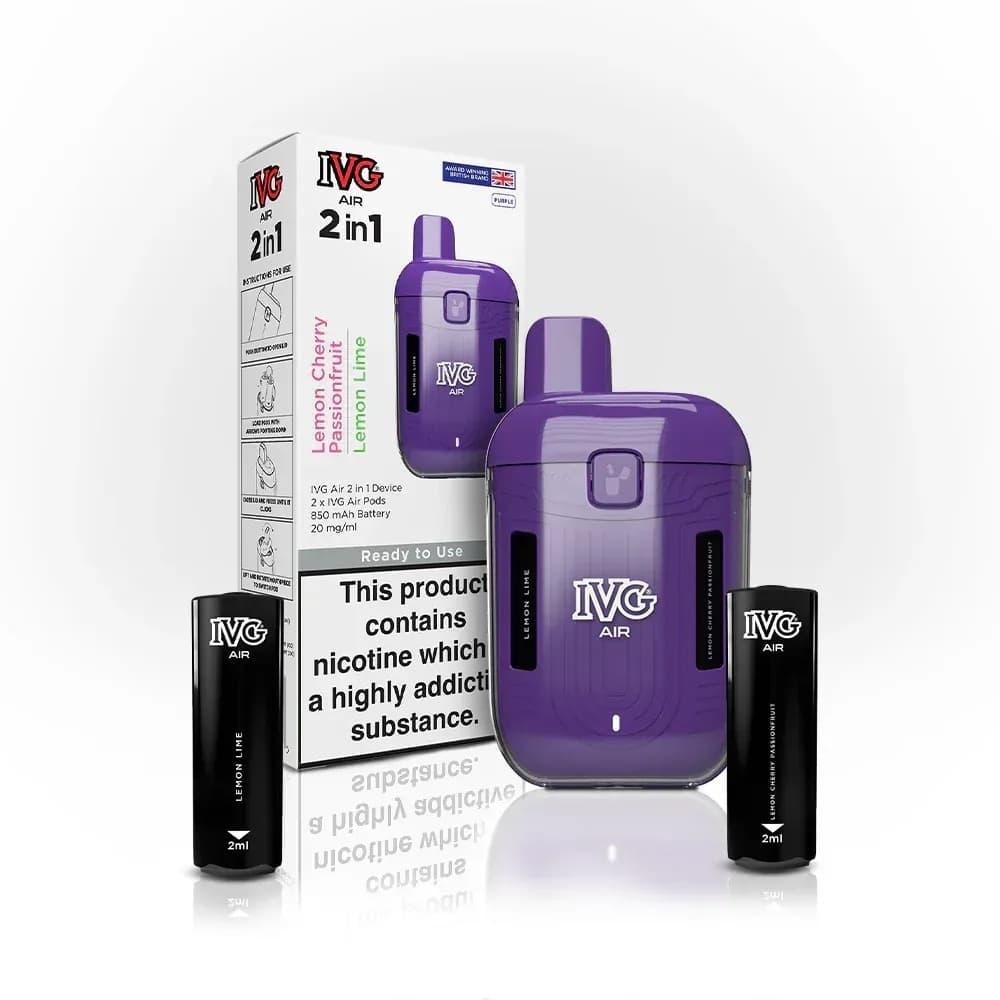 in vaping devices, often called e-liquids or vape juice, generally consist of four primary ingredients: propylene glycol (PG), vegetable glycerin (VG), flavorings, and nicotine. While PG and VG serve as carriers, flavorings provide taste, and nicotine offers the addictive component. Most consumers are familiar with nicotine’s addictive potential, but the other ingredients also play a critical role in health implications.
Propylene glycol and vegetable glycerin are classified as generally recognized as safe (GRAS) for ingestion, but inhalation introduces a different risk profile. When heated, these liquids can create harmful byproducts such as formaldehyde, acetaldehyde, and acrolein—chemicals categorized as toxins in e cigarettes.
The Role of Flavorings and Their Risks
Flavor additives often contain myriad chemicals, some of which have been linked to respiratory issues. Diacetyl, a butter-flavored additive, is infamous for causing “popcorn lung” (bronchiolitis obliterans) when inhaled over long periods. Thus, though flavors enhance user experience, they can contribute significantly to the toxicological profile of vaping aerosols.
The Hidden Dangers: Toxins Found in Vaping Aerosols
While e-cigarettes do not produce tar like combustible cigarettes, they still generate harmful substances. Studies reveal that aerosols inhaled during vaping contain heavy metals such as lead, cadmium, and nickel, emitted from heating coils, and carcinogenic compounds including formaldehyde and acetaldehyde. These toxins in e cigarettes accumulate in the lungs, posing risks akin to, and sometimes exceeding, conventional tobacco smoke exposure.
Moreover, the particle size of vaping emissions facilitates deep lung penetration, intensifying the harmful effects of these toxicants. Continuous exposure can lead to inflammation, oxidative stress, and impaired lung function, potentially exacerbating chronic respiratory diseases.
Nicotine and Its Dual Impact
Liquids in many vaping products contain nicotine, a highly addictive substance with notable cardiovascular and neurological implications. Nicotine increases heart rate and blood pressure and can contribute to chronic diseases if consumed excessively. Aside from addiction, its presence in e-liquids imposes additional health hazards beyond the other chemicals involved.
The Science Behind the Harmfulness of E-Liquid Components
Researchers continually investigate how the chemical constituents of e-liquids and the resulting toxins influence human health. Thermal decomposition of liquid ingredients at high temperatures releases volatile organic compounds and carbonyls that disrupt cellular function. Experimental models have also confirmed cellular toxicity and genotoxic effects associated with vaping condensates.
While some suggest vaping as a less harmful alternative to traditional smoking, this should not undermine the significant presence of toxins in e cigarettes identified through ongoing studies. Public health experts emphasize caution, especially for youth and non-smokers, considering these health risks.
Regulatory Efforts and Consumer Awareness
In response to growing evidence of harm, many countries have tightened regulations around e-cigarettes and their liquids. Labeling requirements, ingredient disclosure, and manufacturing standards aim to reduce the presence of toxins in e cigarettes and protect consumers. Additionally, awareness campaigns educate users about the potential health risks associated with liquids and inhaled toxins.
Consumers should critically evaluate products, favoring those with transparent ingredient lists and trustworthy manufacturing practices. Engaging healthcare professionals for advice before switching to or continuing vaping is advisable.
Minimizing Exposure and Harm
For individuals who choose to vape, certain strategies may reduce toxin exposure. Using devices with temperature controls can limit formation of harmful chemicals. Choosing e-liquids without harmful flavorants and reducing nicotine concentration also can help mitigate risks. However, the most effective way to avoid harm remains complete cessation of vaping and smoking.
Frequently Asked Questions
What exactly are the harmful substances found in e-cigarette liquids?
Liquids in e-cigarettes contain nicotine, propylene glycol, vegetable glycerin, and flavorings. When vaporized, these can generate harmful toxins such as formaldehyde, acrolein, and heavy metals originating from the device’s heating components.
Is vaping safer than traditional smoking?
Vaping is often considered less harmful than combustible smoking due to the absence of tar and reduced carbon monoxide. However, the presence of toxins in e cigarettes still presents significant health risks, especially with long-term use or for non-smokers.
Can e-cigarette flavors cause lung disease?
Certain flavoring chemicals like diacetyl have been linked to respiratory diseases such as bronchiolitis obliterans (“popcorn lung”). Users should be aware of these risks and seek products without harmful additives.
How can users reduce harm if they continue vaping?
Using regulated devices with temperature control, avoiding high-nicotine e-liquids, and selecting products free from dangerous flavor chemicals can reduce exposure to toxins in e cigarettes, although cessation is the best option.
In conclusion, the chemical makeup of liquids and the resultant toxins in e cigarettes pose non-negligible health risks despite common perceptions of safety. Understanding these complexities is essential for consumers, healthcare providers, and policymakers aiming to minimize harm related to vaping products.