Understanding E-Zigaretten and the Federal Law on E Cigarettes: A Comprehensive Analysis
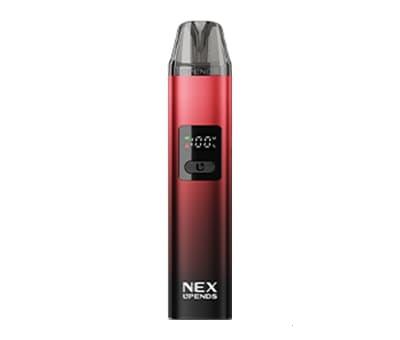
In today’s rapidly evolving landscape of tobacco alternatives, the rise of E-Zigaretten has sparked both enthusiasm and regulatory scrutiny. The federal law on e cigarettes plays a critical role in shaping this trend, influencing public health policies and consumer behaviors alike. This article delves deeply into how these regulations impact vaping habits and the broader market dynamics.
Overview of E-Zigaretten and Their Popularity
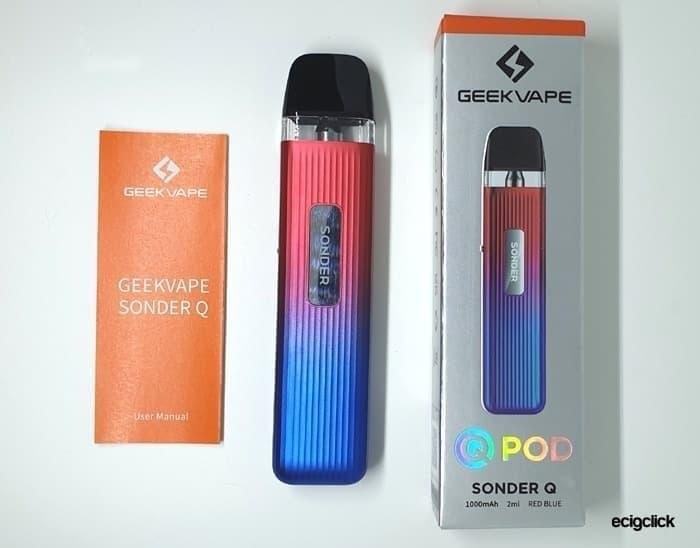
E-Zigaretten, commonly known as electronic cigarettes or vapes, are devices that deliver nicotine through aerosolized vapor rather than combustion. Their innovation arose as a potential harm reduction alternative to traditional smoking, capturing significant attention, especially among younger demographics. The increasing demand for E-Zigaretten motivated lawmakers to introduce specific federal legislation addressing their safety, marketing, and accessibility.
Role of Federal Law in Regulating E-Zigaretten
The federal law on e cigarettes establishes a framework ensuring product standards, age restrictions, and marketing practices meet public safety objectives. Key regulations include mandatory health warnings, restrictions on flavors attractive to minors, and compliance with manufacturing quality controls. Such laws also facilitate monitoring and surveillance to prevent illegal sales and counterfeit products.
The Impact of Federal Law on E Cigarettes on Vaping Trends
Implementing federal law on e cigarettes has substantially influenced vaping trends. For instance, heightened age limits and advertising restrictions have reduced underage access. Nevertheless, the landscape remains complex, as users adapt to new product modifications, such as disposable vapes, which sometimes circumvent regulatory constraints.
Moreover, these laws have catalyzed innovation within the E-Zigaretten industry. Manufacturers increasingly invest in safer technology and transparent labeling to comply with federal mandates. Consequently, adult smokers seeking cessation alternatives are better informed and enjoy higher product quality.
Challenges and Future Outlook
Despite the regulatory efforts embedded in the federal law on e cigarettes, enforcement remains challenging due to factors like online sales and cross-border transactions. Policymakers continuously review these laws to adapt to the fast-changing vaping market and emerging scientific evidence. Stakeholder collaboration between regulators, manufacturers, and public health experts is essential for balanced and effective regulation.
Frequently Asked Questions About E-Zigaretten and Regulations
- What are the main restrictions imposed by the federal law on e cigarettes?
- The federal legislation restricts sales to minors, mandates clear health warnings, and limits flavored products to reduce youth appeal.
- How have E-Zigaretten regulations affected adult users?
- They have prompted product improvements and safer options for adult smokers, although some users express concerns about limited flavor availability.
- Are online sales of E-Zigaretten regulated under federal law?
- Yes, but enforcement is difficult; ongoing efforts aim to tighten control over internet sales.
In conclusion, the interplay between E-Zigaretten popularity and the federal law on e cigarettes illustrates a dynamic regulatory environment striving to protect public health while accommodating consumer demand. As the market evolves, continuous adjustments to legislation and awareness campaigns remain vital for fostering responsible vaping practices and reducing associated risks.