Understanding disposable nicotine products and hidden components
Overview: disposable devices in the market and why people notice them
In recent years the market for single-use vaping devices has boomed, and terms like Einweg Vapes have become common in consumer conversations. These small, prefilled, and precharged units are designed for convenience, but their ease of use hides complex chemistry and public health questions. This guide analyzes the composition, the most concerning e-cigarettes ingredients, behavioral and environmental risks, and offers pragmatic advice for users, parents, and public health professionals.
What are single-use devices and why they matter
Single-use vapes, commonly labeled as disposable or one-time devices, combine a battery, an atomizer, a reservoir of e-liquid, and flavorings into a sealed package. Marketed for portability and flavor variety, they often contain nicotine salts that deliver a potent dose quickly. The result is a product that appeals to new users, including adolescents, and complicates harm reduction debates.
Key components found across many disposable units
Most single-use units share a set of core chemical and mechanical components. When reading labels or learning about content, it’s useful to think in categories: active stimulants, solvents, flavor chemicals, thermal decomposition products, metals from heating elements, and battery-related materials. Below we parse these categories and highlight specific e-cigarettes ingredients of concern.
Core liquid ingredients
- Nicotine: Delivered as freebase or nicotine salts; salts (often formed with benzoic acid or similar acids) enable higher concentrations with smoother throat hit, increasing addiction potential.
- Solvents: Propylene glycol (PG) and vegetable glycerin (VG) form the bulk of e-liquids. They carry flavor and nicotine but can form toxic thermal breakdown products at high temperatures.
- Flavorings: Hundreds of flavoring chemicals are used, some food-safe when swallowed but untested when inhaled. Diacetyl, acetyl propionyl, pulegone, and cinnamaldehyde are examples linked to respiratory or other toxic effects.
Advanced concerns: thermal byproducts and contaminants
When the heating coil vaporizes e-liquid, complex chemistry creates new compounds. Carbonyl compounds such as formaldehyde and acetaldehyde can form, particularly when devices run hot or are puffed aggressively. Other breakdown products include acrolein and reactive oxygen species which can damage lung tissue.
Metals also matter: coils and contacts may release nickel, chromium, lead, and tin into aerosol. Trace metal exposure adds long-term risk that is often overlooked in marketing materials.
Battery and device hazards
Disposable devices often use lithium-ion cells in a compact casing. Poor manufacturing, physical damage, or exposure to heat can cause failures, thermal runaway, and burns. Improper disposal increases the environmental hazard as batteries may enter landfills and incinerators.
Detailed breakdown of notable e-cigarettes ingredients and why they are worrisome
-
Nicotine and salts
Nicotine is the primary addictive chemical. Nicotine salts, used extensively in many Einweg Vapes, combine nicotine with organic acids to reduce harshness. While these salts make inhalation smoother, they often support higher nicotine concentrations (20–60+ mg/mL), accelerating dependence and making cessation harder.
-
Diacetyl and related diketones
Originally used in butter-flavored foods, diacetyl is linked to bronchiolitis obliterans, a severe and irreversible lung disease. Some flavored e-liquids still contain diacetyl or similar diketones like acetyl propionyl—chemicals that are safe to ingest but dangerous to inhale over time.
-
Carbonyls and aldehydes
Formaldehyde, acetaldehyde, and acrolein are carbonyl compounds created by thermal decomposition of PG, VG, and flavorants. They are irritants and carcinogens at sufficient exposure levels and a key reason why heating temperature and device design matter for safety.
-
Metal particulates
Heating coils and solder connections sometimes shed ultrafine metal particles (nickel, chromium, lead). These particles can reach deep lung regions and enter circulation, potentially contributing to cardiovascular and pulmonary effects.
-
Pulegone, cinnamaldehyde and other volatile flavor chemicals
Many concentrated flavor chemicals have not been tested for inhalation toxicity. Pulegone (used in some mint flavors) is a hepatotoxin in animals; cinnamaldehyde can impair airway cilia and normal lung defense mechanisms.
-
Solvent residues and additives
Residues from manufacturing or deliberate additives like triacetin or ethanol can change aerosol properties. Additionally, vitamin E acetate—linked to EVALI outbreaks when used as an oil diluent in illicit products—illustrates how additives can dramatically amplify risk.
Who is at particular risk?
Risk profiles vary: adolescents and young adults face high addiction risk due to neurodevelopmental vulnerability to nicotine. Pregnant people risk fetal harm because nicotine interferes with development. People with asthma, COPD, cardiovascular disease, or compromised immune systems may experience exacerbated symptoms from inhaled particles and irritants.
Behavioral, social and environmental dimensions
The rise of disposable devices intersects with youth culture, social media marketing, and flavor-driven appeal. Many devices are inexpensive, brightly colored, and designed for discreet use. Environmental harm is substantial: hundreds of millions of disposable units translate to electronic waste—plastic casings, lithium batteries, and residual e-liquid often find their way into ecosystems.
Marketing power and regulatory responses
Regulators in several jurisdictions have responded by restricting flavors, requiring child-resistant packaging, or limiting nicotine concentration. However, enforcement lags behind product innovation, and illicit supply chains sometimes circumvent rules. Understanding regulatory landscapes can help consumers identify safer, compliant products, although “safer” does not mean “safe.”
Practical advice for consumers
- Recognize that “disposable” does not equal “low risk.” Whether a multi-use device or a single-use unit, aerosols contain chemicals with potential health harms.
- Check for transparent labeling. Products that list full ingredient profiles and nicotine content are more likely produced by manufacturers following regulations. Still, labeling accuracy varies.
- Prefer regulated channels. Where possible, purchase from reputable retailers who can document compliance with local laws and testing standards.
- Limit use if you are pregnant, under 25, or have pre-existing respiratory or cardiac disease.
- Avoid modifying devices, refilling disposables, or mixing substances—these practices increase exposure to unknown chemicals and mechanical failures.
How to interpret product claims and labels
Manufacturers may emphasize “no tobacco,” “nicotine-free,” or “natural flavors.” Such claims can be misleading. “Nicotine-free” products may still contain trace nicotine, and “natural” flavorings can include potent inhalation toxins. When seeing terms like pharmaceutical grade or laboratory tested, request test reports or certificates of analysis when making purchasing decisions.
Evidence review: what science tells us
Clinical and epidemiological evidence indicates that while e-cigarette aerosols are often less harmful than combustible cigarette smoke for an established smoker switching completely, they are not benign. Long-term effects remain uncertain because widespread modern device use is relatively recent. Studies show acute effects on endothelial function, lung inflammation, and immune responses. Population-level data indicate rising youth use correlates with increased nicotine dependence and subsequent dual-use with cigarettes in some cohorts.
Key research takeaways
- Short-term exposure can impair vascular and respiratory function.
- Repeated inhalation of flavoring chemicals can induce airway irritation and functional changes.
- High-nicotine products promote addiction and increase difficulty quitting.
- Device variability produces highly variable exposures—device design, coil materials, power output, and user behavior all affect what chemicals are delivered.
Environmental and disposal considerations
Disposable vapes contribute to e-waste and chemical pollution. Batteries can leach heavy metals; lithium cells pose fire risks in waste streams. Residual e-liquid contains nicotine and flavor chemicals that can harm wildlife and waterways if not properly contained and disposed of. Community-level solutions include take-back programs, retailer responsibility schemes, and public education about safe disposal.
Steps for safer disposal
- Do not throw batteries or full devices into regular trash.
- Identify local hazardous waste or electronic recycling centers that accept small lithium batteries and e-devices.
- Drain residual liquid into an absorbent material and place it in a sealed container if local guidance recommends this—follow regional regulations.
Harm reduction vs. prevention: a nuanced public health stance
For adult smokers unable to quit, moving from combustible cigarettes to a regulated, low-toxin alternative under medical or programmatic guidance may lower some risks. However, the proliferation of highly addictive disposable nicotine products among youth undermines public health goals. Policies that preserve adult access to safer cessation tools while preventing youth uptake are essential.
Policy options that balance interests
Strategies include restricting flavors that appeal to youth, enforcing age verification, limiting nicotine concentration, mandating childproof and tamper-evident packaging, requiring independent laboratory testing, and funding cessation programs. Public messaging must avoid glamorizing devices while offering clear guidance for adults seeking less harmful nicotine delivery.
How to talk to young people and users
Conversations should combine clear facts about addiction, the difference between smoking cessation tools and recreational disposable products, and the unknowns of long-term inhalation. Emphasize that many flavor chemicals are safe to eat but not necessarily to inhale, and that even “nicotine-free” products may carry risks. Encourage open dialogue rather than punitive responses which may push use into unregulated channels.
Testing and validation: what independent labs look for
Reliable product testing includes analysis of nicotine content, screening for carbonyls (formaldehyde, acetaldehyde), volatile organic compounds, metals, and screening for specific flavoring chemicals of concern such as diacetyl. Independent third-party certificates of analysis (CoAs) are a good sign—but check their recency and the credibility of the laboratory.
Checklist: how to evaluate a disposable product before use
- Does the product list nicotine concentration and full ingredient list?
- Is there third-party lab testing or certification available?
- Is the seller transparent about device origin and safety features?
- Are flavors and marketing aimed at adults or youth?
- Is there clear guidance on safe disposal?
Conclusion: informed decisions in a shifting landscape
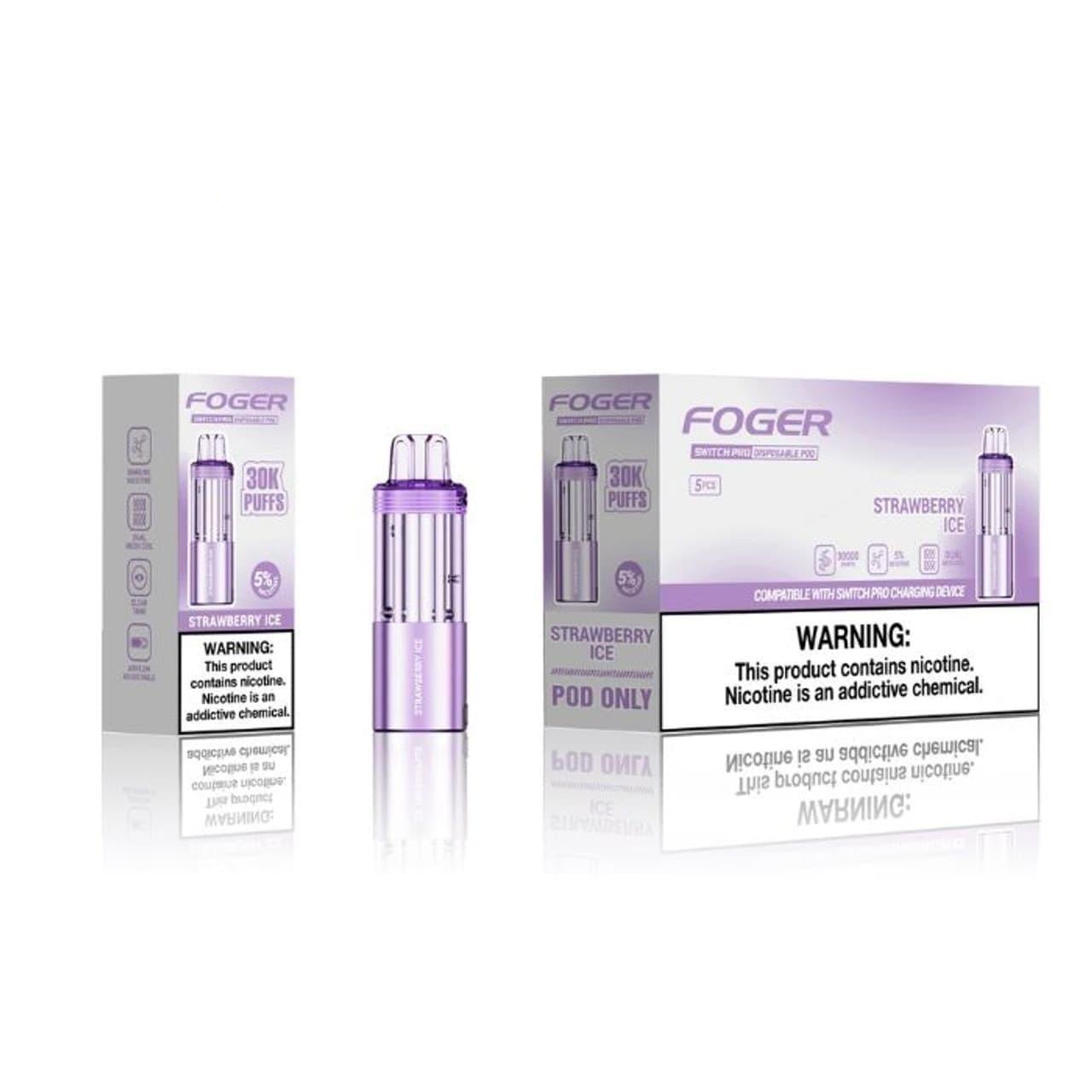
Understanding the chemistry behind disposable devices helps consumers and policymakers make better decisions. Emphasis on the main categories of hazardous constituents—nicotine, solvent breakdown products, flavoring toxins, metals, and battery-related hazards—can guide both individual choices and regulatory action. Products labeled Einweg Vapes or marketed as disposable often contain a mix of e-cigarettes ingredients that demand caution, transparency, and oversight.
Frequently Asked Questions
- Are disposable vapes safer than regular cigarettes?
- They may expose users to fewer combustion-related toxins compared to cigarette smoke, but they are not risk-free. Disposable devices can deliver addictive nicotine and inhalation of flavoring chemicals and metal particles can cause respiratory and cardiovascular harm over time.
- What chemicals in disposables are most likely to cause lung injury?
- Carbonyls like formaldehyde and acrolein, certain flavoring agents (e.g., diacetyl), and lipid-like additives (in illicit products) have been implicated in lung injury. Metals and ultrafine particles also pose risks.
- How can I tell if a product’s ingredients are trustworthy?
- Trustworthy products disclose full ingredient lists, provide third-party testing results from accredited labs, and comply with local regulations. Absence of transparency is a red flag.
- Is there a safe way to dispose of disposable vapes?
- Follow local hazardous waste guidelines: do not discard batteries in general trash, seek electronic recycling or battery take-back programs, and avoid releasing e-liquid into the environment.