IBvape 2025: Comprehensive Review, Harm Reduction and Practical Comparison
This long-form guide explores why IBvape is gaining attention in 2025 and examines the debate around electronic cigarette vs tobacco through health evidence, cost analysis, user experience, regulatory context and practical guidance for smokers considering a switch. The content below is structured to help consumers, healthcare professionals and policymakers weigh the pros and cons of switching from traditional combustible tobacco to modern alternatives like IBvape, and to understand the nuanced comparison of electronic cigarette vs tobacco across multiple domains.
Executive summary: key takeaways on IBvape and reduced risk potential
Briefly: IBvape devices represent an evolution in nicotine delivery with design improvements, quality controls and a range of nicotine formulations that make them a prominent player in the ongoing discussion of electronic cigarette vs tobacco. Evidence suggests that many smokers who completely switch to e-cigarettes significantly reduce exposure to many harmful combustion byproducts found in cigarette smoke. That said, complete cessation of nicotine and inhalation products remains the healthiest option. This article unpacks the evidence, cost factors, safety considerations and practical steps for switching to IBvape or similar alternatives.
Why this matters: context for the comparison of electronic nicotine products
The long-standing public health fight against smoking has shifted from only prevention and cessation support to also considering harm reduction tools. When people search for electronic cigarette vs tobacco, they seek clear and trustworthy comparisons. This content aims to provide balanced analysis of the health differentials, misconceptions, and economic implications associated with switching from combustible cigarettes to devices like IBvape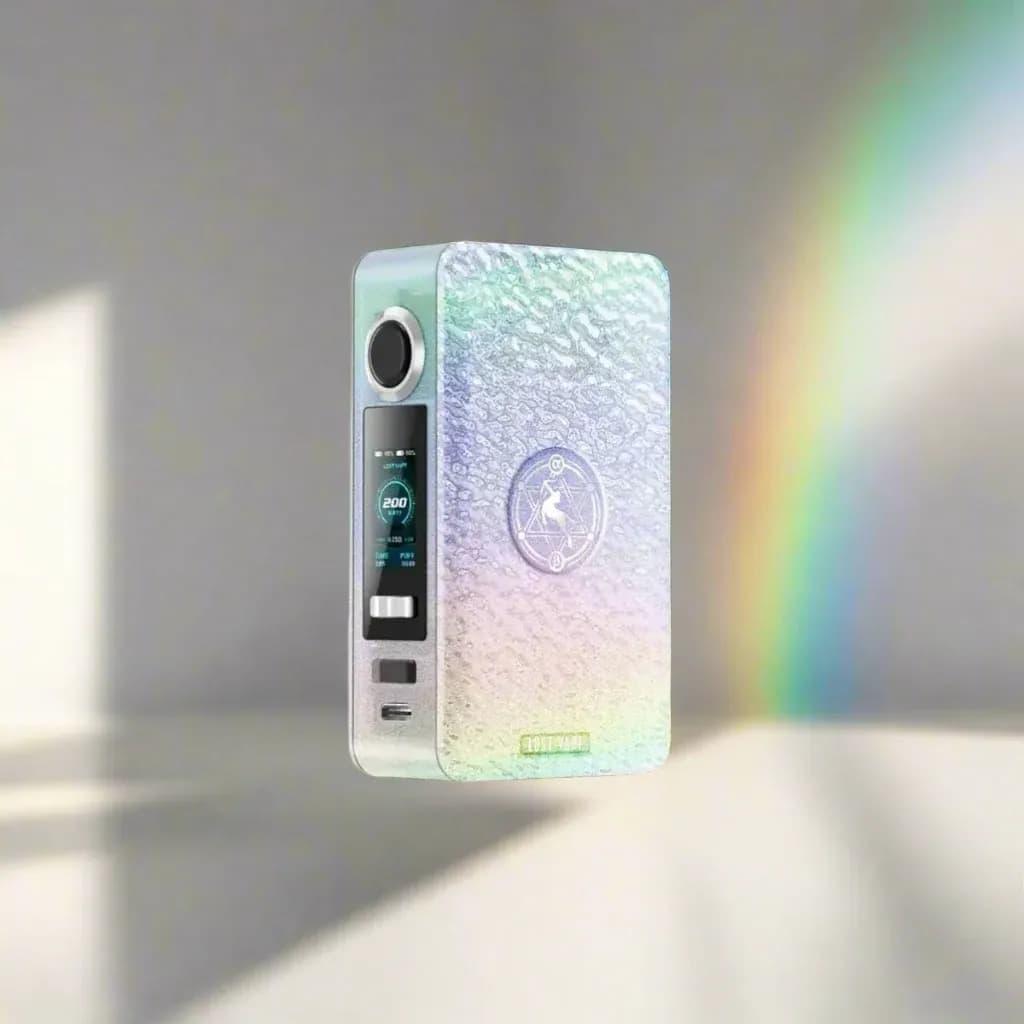 . It also highlights where scientific consensus exists and where more research is needed.
Health comparison: what the evidence shows about electronic cigarette vs tobacco
Reduction in toxicants and carcinogens
Multiple independent analyses indicate that e-liquid vapor contains fewer and lower concentrations of many well-established toxicants compared with cigarette smoke. When discussing electronic cigarette vs tobacco, the difference most frequently emphasized is the absence of combustion—no burnt tobacco, no tar, dramatically fewer polycyclic aromatic hydrocarbons, and lower levels of carbon monoxide. Specifically, switching smokers can expect reduced biomarkers of exposure for many harmful constituents, leading public health bodies in several countries to position certain vapor products as lower-risk alternatives to cigarettes.
Not risk-free
Despite reductions, vapor still contains nicotine and some other chemicals generated by heating liquids and device materials. Therefore, the comparison of electronic cigarette vs tobacco should always include the caveat that “lower risk” is not equal to “no risk.” Vulnerable populations—pregnant people, adolescents, and non-smokers—should avoid all nicotine-containing products.
Cardiopulmonary effects and long-term outcomes
Short- and medium-term studies report improvements in respiratory symptoms and cardiovascular biomarkers after switching from cigarettes to e-cigarettes, though long-term epidemiological data remain limited given the relative newness of the category. Leading public health reviews often note that the lifetime risk reduction is plausible but not yet precisely quantifiable. For individuals evaluating IBvape, this means the device can be a part of a harm reduction pathway for established adult smokers, but long-term vigilance and research are essential.
Nicotine addiction, dependence, and behavioral aspects
The core chemical driving addiction in both products is nicotine. The debate around electronic cigarette vs tobacco must therefore consider nicotine delivery profiles. Modern devices such as IBvape offer a range of nicotine strengths and formats, including nicotine salts that can deliver nicotine more smoothly at lower puff counts. For smokers seeking to manage cravings and avoid relapse, that can be beneficial. However, nicotine dependence remains a clinical consideration: ideally, long-term plans to taper and stop nicotine should be supported.
Titration and satisfaction: why some smokers switch successfully
Behavioral patterns—hand-to-mouth ritual, throat hit, flavor, and aerosol temperature—impact satisfaction and cessation outcomes. Many smokers persist with combustible tobacco due to ritual reinforcement. IBvape and comparable devices are engineered to mimic positive sensory aspects of smoking while reducing exposure to combustion products. In smoking cessation contexts, pairing such devices with counseling increases quit success.
Cost analysis: economic comparison of electronic cigarette vs tobacco
Cost is a practical driver of behavior. A thorough electronic cigarette vs tobacco cost comparison should include initial device purchase, recurring e-liquid or pod costs, maintenance parts (coils, batteries), and potential savings from reduced health expenses over time. For many users, switching to a reusable device like IBvape can lead to substantial monthly savings compared to the price of packs of cigarettes, especially in regions with high tobacco taxes. Long-term economic benefits may also include reduced healthcare utilization related to smoking-related diseases.

Upfront vs recurring costs
One barrier is the initial outlay: high-quality devices can cost more initially than a pack of cigarettes. However, when broken down monthly, the reusable device model plus e-liquids often becomes more economical, especially for moderate to heavy smokers. We provide a hypothetical cost calculator approach in this article to help readers estimate personal savings when comparing IBvape use to ongoing cigarette consumption.
Practical guide: choosing and using IBvape and similar devices safely
Device selection and features
When evaluating devices, attention should be paid to build quality, battery certification, ease of cleaning, coil options, and e-liquid sourcing. IBvape positions itself with features that emphasize reliability, sealed manufacturing processes, and accessible support for replacement parts. For those comparing electronic cigarette vs tobacco, choosing a device with certified batteries and reputable manufacturing reduces the risk of device failures and adverse events.
E-liquid choice: nicotine strengths and flavors
Selecting the right nicotine strength is key to satisfaction and minimizing dual use. Many adults transitioning from cigarettes find success with nicotine salt formulations in moderate concentrations, enabling fewer puffs and steadier nicotine delivery. Flavor choice also influences switching success, with some adults preferring tobacco-like flavors and others benefiting from fruit, menthol, or dessert profiles to break associations with combustible cigarettes.
Maintenance and safety tips
- Always use manufacturer-recommended batteries and chargers; avoid cheap or uncertified accessories.
- Replace coils and wicks according to usage to prevent burnt taste and overheating.
- Store e-liquids safely, away from children and pets; nicotine ingestion is hazardous.
- Follow local regulations for use in public places; be considerate of others.
Regulation, policy and public health messaging
Public policy on electronic cigarette vs tobacco varies widely by country: some treat vapor products as consumer goods with age restrictions, others as medical tools, and some have imposed severe restrictions or bans. Policymakers must balance preventing youth uptake with maximizing harm reduction potential for cigarette smokers. Clear, evidence-based labeling, age verification, and restrictions on marketing to minors are commonly recommended measures that help ensure adult smokers can access safer alternatives like IBvape while limiting unintended consequences.
Marketing and youth prevention
High-quality manufacturers and retailers implement strict age checks and avoid youth-oriented marketing. For adult smokers, transparent information about ingredients, nicotine levels, and relative risk helps informed decision-making in the context of electronic cigarette vs tobacco comparisons.
Environmental considerations
Comparing environmental footprint between disposable cigarette waste (cigarette butts) and electronic devices is complex. Cigarette filters are a leading source of litter; e-cigarette devices, especially disposable systems, create electronic waste and battery disposal challenges. Refillable and recyclable models like certain IBvape offerings can mitigate some impacts. Consumers should follow local recycling programs and battery disposal guidelines.
Addressing common concerns and myths
Myth: E-cigarettes are as harmful as cigarettes.
Reality: Most evidence indicates significantly lower levels of many key toxicants in vapor than in cigarette smoke, though not zero harm.
Myth: Switching to an e-cigarette guarantees quitting nicotine.
Reality: Some switchers continue long-term nicotine use; supportive cessation strategies are recommended.
Role of healthcare providers
Clinicians should be equipped to discuss comparative risks, recommend proven cessation methods, and, when appropriate, consider e-cigarettes as part of a harm reduction toolkit for adult smokers who have been unable to quit with other methods. The comparison of electronic cigarette vs tobacco is a frequent clinical conversation, and providers should frame the discussion around patient goals: complete cessation is ideal; switching can reduce exposure for those who continue to use nicotine.
Real-world data and testimonials
Large observational studies and surveys show that a proportion of smokers who switch completely to e-cigarettes experience improved respiratory symptoms and reduced cigarette consumption. Testimonials from adult smokers who transitioned to IBvape often cite faster craving relief, lower cost, and the absence of lingering cigarette odors. Balanced reporting also includes those who tried and returned to cigarettes or who became dual users; these cases inform design tweaks and counseling approaches.
Choosing a path: decision framework for smokers

- Assess readiness to quit or switch and identify personal goals (quit nicotine entirely vs reduce harm).
- Consult a healthcare provider, especially if you have cardiovascular or respiratory disease.
- Research products focusing on safety, certification and reputable manufacturing—consider IBvape among candidates.
- Trial appropriate nicotine strength and device type, keeping in mind maintenance needs.
- Plan for a tapering approach if your goal is eventual nicotine cessation.
Comparative checklist: electronic cigarette vs tobacco for an individual smoker
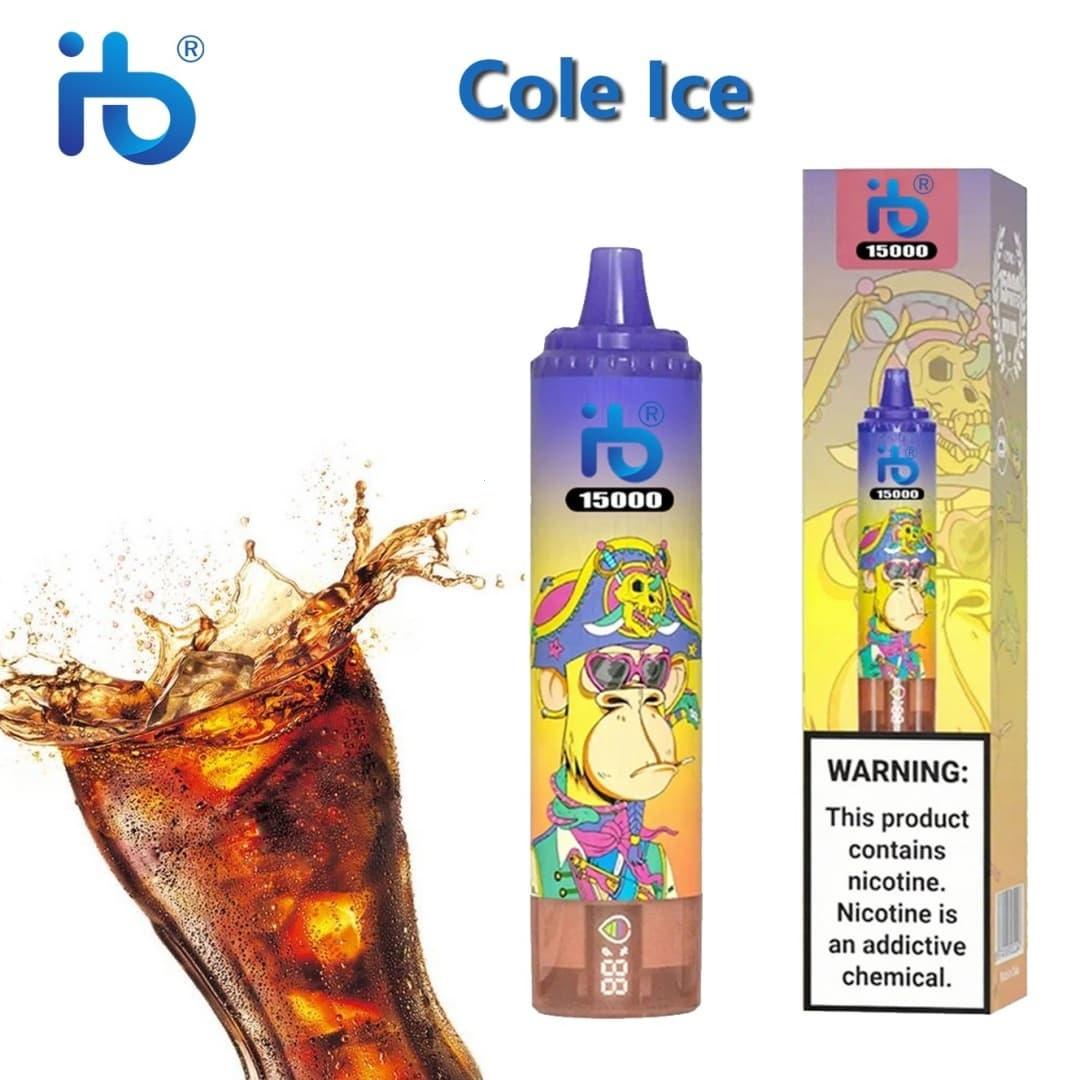
- Health risk: lower for many toxicants with e-cigarettes but not zero.
- Cost: potential savings over time with refillable devices.
- Convenience: e-cigarettes eliminate many combustion-related inconveniences (ash, smell).
- Dependence: nicotine dependence possible; plan for tapering.
- Social/perception: legal and social acceptability varies by region.
Technical innovations and what to expect in 2025
In 2025, advances in materials, battery management systems, and formulation science continue to improve nicotine delivery consistency and reduce unwanted byproducts. These improvements influence the ongoing electronic cigarette vs tobacco conversation, as newer devices such as those from IBvape aim to reduce device failures, improve flavor fidelity and provide better consumer information through integrated diagnostics and connected support.
Case study: a smoker’s transition pathway using IBvape
Example profile: a 45-year-old pack-a-day smoker with a decade of smoking history. After counseling and trying nicotine replacement therapies (patch, gum), they switched to a refillable IBvape device with nicotine salt e-liquid. Over three months they reported reduced morning cough, reduced cigarette consumption in public settings, and a perceived improved ability to concentrate at work. After six months they had eliminated most cigarette use and began planning a nicotine taper. This case illustrates how product choice, support and personal motivation interact in the real-world comparison of electronic cigarette vs tobacco.
Harm reduction ethics and equity considerations
Equity-focused policies aim to ensure that harm reduction options like IBvape are available to adult smokers who most need them, particularly in underserved communities that suffer higher tobacco burdens. Ethical communication requires avoiding messages that encourage uptake among non-smokers while ensuring adult smokers have access to accurate comparative information in the electronic cigarette vs tobacco debate.
Research gaps and future priorities
Priority research areas include long-term cohort studies of exclusive e-cigarette users, better biomarkers to quantify harm reduction, and randomized trials comparing structured switching programs to traditional cessation treatments. Policymakers and manufacturers must collaborate to fund independent studies that will refine our understanding of the relative risks between electronic cigarette vs tobacco.
Consumer checklist: practical tips for safer switching
- Choose a reliable brand with clear ingredient lists and transparency—consider IBvape if their product standards meet your criteria.
- Start with an appropriate nicotine strength that controls cravings without excessive dosing.
- Keep a log of smoking vs vaping episodes to monitor progress.
- Seek support from quitlines or cessation programs as you attempt to move away from combustible tobacco.
- Avoid black-market or unknown e-liquids; stick to reputable suppliers.
Conclusion: framing the comparison of electronic cigarette vs tobacco in your decision
The comparison between electronic cigarette vs tobacco is complex but increasingly evidence-informed. For many adult smokers, switching completely to a regulated e-cigarette product like IBvape can reduce exposure to harmful combustion products and offer cost and convenience benefits. However, e-cigarettes are not harmless, and the best health outcome remains complete cessation of nicotine and inhaled products. In clinical practice and policy, a balanced, nuanced approach that supports smokers while protecting non-smokers—especially youth—is essential.
Further reading and resources
- Independent systematic reviews on smoking cessation and e-cigarettes
- Local public health guidelines on nicotine products
- Manufacturer transparency reports and product safety documentation for IBvape
FAQ
Q: Are e-cigarettes like IBvape safer than combustible cigarettes?
A: Current evidence suggests that many toxicants are substantially reduced in vapor compared to smoke, so products like IBvape can be a lower-risk option for adult smokers who completely switch. They are not risk-free, and long-term data are still emerging.
Q: Will switching to an electronic cigarette help me quit nicotine?
A: It can help some smokers quit combustible cigarettes, but nicotine dependence may persist. Combining a switching strategy with behavioral support improves the chance of eventual nicotine cessation.
Q: How does the cost of using IBvape compare to smoking cigarettes?
A: Though upfront device costs may be higher, refillable systems generally cost less monthly than pack-a-day cigarette habits. Individual savings depend on local cigarette prices and usage patterns.
Q: What should parents know about youth and e-cigarettes?
A: Youth should not use nicotine products; strong age verification, restricted marketing and education are crucial to prevent youth uptake while allowing adult smokers access to reduced-risk alternatives in the electronic cigarette vs tobacco context.
© 2025 Independent review. Information provided for educational purposes; not medical advice.