Comparing Portable Nicotine Solutions: A Practical Review
In today’s fast-moving market, smokers and vapers are often choosing between two distinct device categories: single-use, prefilled disposables and modular, rechargeable kits that come with a carrying or charging case. This guide focuses on practical differences and decision factors, exploring convenience, safety, cost, environmental concerns, and performance. Throughout this article you will see key phrases emphasized for clarity and search relevance, such as Eldobható e-Cigi and e cigarette with charging case, used in context to help you compare options for 2025 use cases and beyond.
What we mean by each category
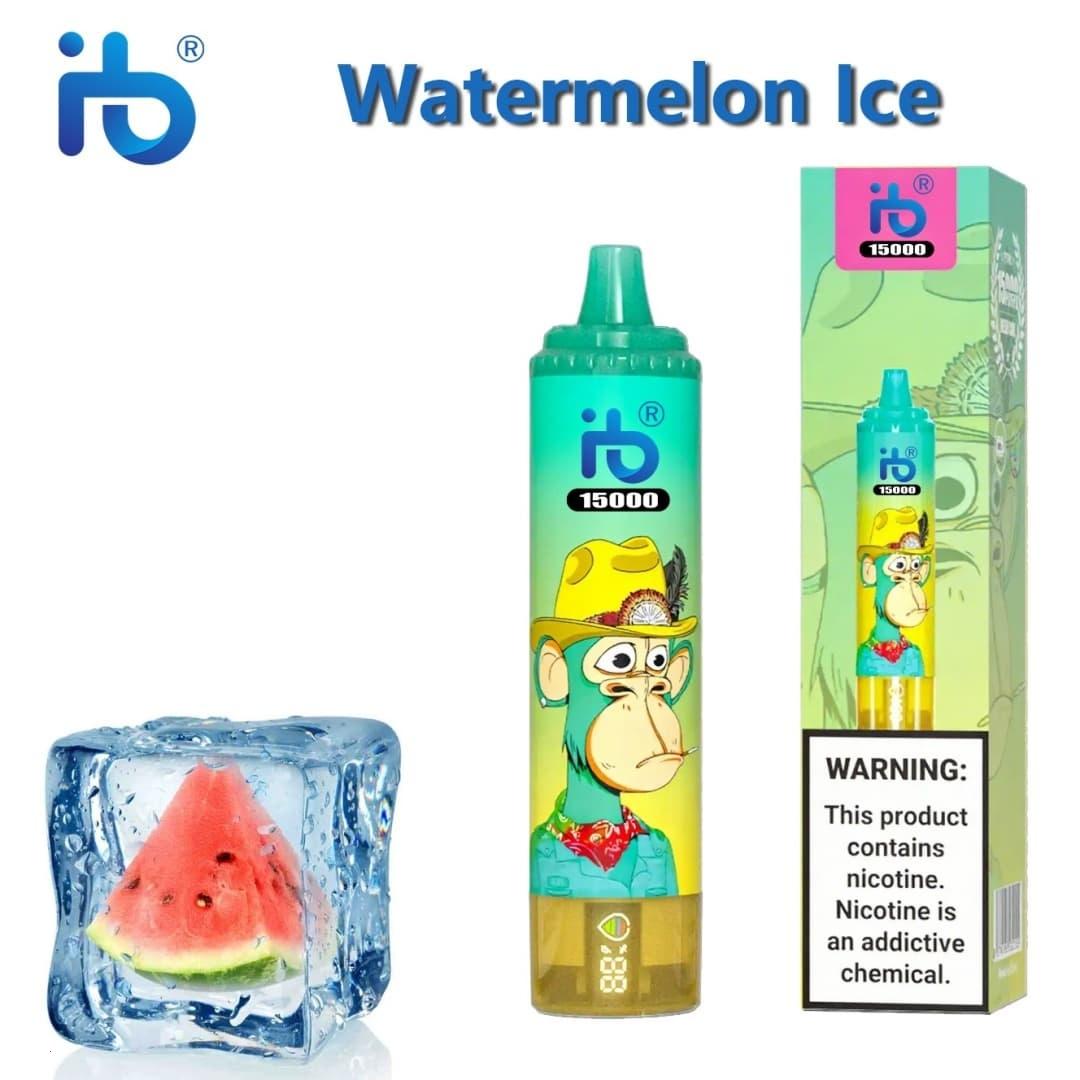
The category often called disposable vape refers to a compact, self-contained device prefilled with e-liquid or nicotine salt and designed for single-user, limited-time operation. In some languages and markets this is referred to as Eldobható e-Cigi which literally denotes a disposable electronic cigarette. The other mainstream choice is a rechargeable, reusable system that typically consists of one or more battery units, replaceable or refillable pods or cartridges, and increasingly, a
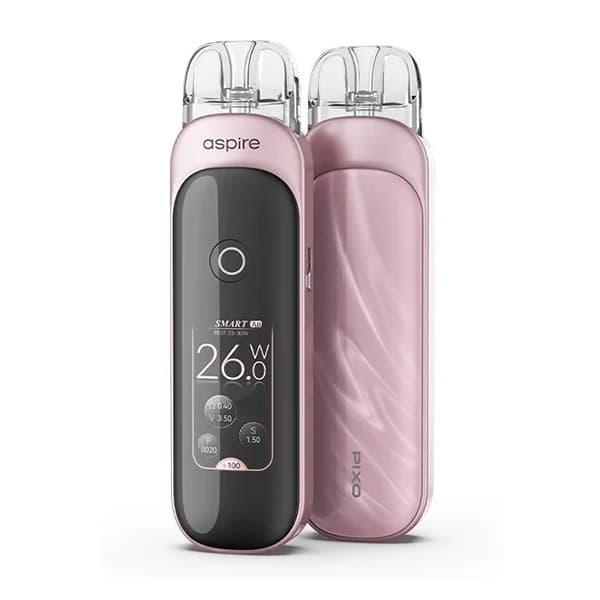
e cigarette with charging case which combines storage and onboard charging for extended portability and convenience. Both formats serve similar needs—nicotine delivery without combustion—but they deliver distinct tradeoffs that matter for different users.
Snapshot comparison
- Eldobható e-Cigi: ultra-simple, no maintenance, fixed flavor and nicotine strength, small upfront price, limited puffs, often no battery replacement, ready-to-use out of box.
- e cigarette with charging case: reusable device, replaceable cartridges or refillable pods, higher initial cost, lower long-term cost per puff, integrated charging case often provides multiple top-ups, better environmental profile if used responsibly.
Convenience and daily use scenarios
The appeal of a compact disposable is immediate convenience: grab-and-go simplicity with no cables, no refills, and no pairing. For travelers or casual users an Eldobható e-Cigi can be especially attractive: light weight, predictable behavior, and easy disposal when depleted. In contrast, an e cigarette with charging case appeals to committed vapers who prefer consistent performance, adjustable power or airflow, and the assurance that a compact charging case will keep them topped up throughout a long day or a multi-day trip. Portability is achieved differently: disposables minimize gear while charging cases consolidate charging and storage into a single compact solution.
Performance and vaping experience
Performance differences depend on battery size, coil resistance, liquid formulation, and airflow design. Disposables that are well-engineered can produce satisfying throat hit and flavor for the life of the device, but as battery voltage declines the output may drop, affecting flavor and vapor production. Reusable systems paired with an e cigarette with charging case allow more consistent power delivery because the case ensures batteries are regularly charged and maintained. Advanced users may prefer adjustable wattage or replaceable coils to fine-tune vapor production, which disposables rarely offer.
Key performance points: consistency, flavor fidelity, vapor volume, draw resistance, and lifecycle performance under repeated charging cycles.
Safety and regulatory considerations
Safety is paramount. Both device categories should meet local safety and product standards, but risks differ. With Eldobható e-Cigi devices, risks include battery failure (rare but possible), leakage if damaged, and improper disposal. Devices marketed with poor quality control can present counterfeit or mislabeled nicotine concentrations. With an e cigarette with charging case, user handling of batteries becomes more significant: using the correct charger, avoiding exposure to extreme temperatures, and ensuring pods are seated correctly are essential practices. Always source devices and cartridges from reputable manufacturers, check for child-resistant packaging where required, and follow instructions for battery care.
Environmental impact
Environmental responsibility is a rising concern. Single-use devices are convenient but generate more waste per nicotine unit consumed. A single well-used disposable can accumulate into significant plastic, metal, and chemical waste on a population scale. Reusable devices with a charging case reduce waste by allowing repeated use of the same battery and housing, while only replacing cartridges or refilling e-liquid. Smart disposal programs, recycling initiatives, and manufacturer take-back schemes can mitigate the footprint of both categories. When possible, choose refillable systems with recyclable components or return programs to minimize environmental impact.
Cost analysis: short-term vs long-term
Initial cost for an Eldobható e-Cigi is typically lower—many disposables retail at a fraction of the cost of a starter kit with a charging case. However, calculated over time or per puff, disposables often become more expensive. An e cigarette with charging case requires a higher upfront investment for the device and charging accessory but reduces per-puff cost because pods can be refilled or replaced at lower cost and batteries are reused. A simple break-even analysis should factor in usage rate, flavors and pod prices, the lifespan of the battery and case, and travel or convenience value. Users who vape frequently will often benefit financially from choosing a rechargeable system with a charging case.
Choosing flavors and nicotine strengths
Flavor and nicotine availability varies: disposables often ship in a broad array of preselected flavors and strengths, making them attractive for experimentation. The disadvantage is limited options once a flavor is chosen; a user cannot change nicotine strength mid-device. Systems based on an e cigarette with charging case let you mix flavors, select nicotine strengths more precisely, use nicotine salts or freebase e-liquids depending on pod compatibility, and adjust to changing preferences without discarding an entire device.
Maintenance and hygiene
Maintenance is minimal for disposables—none required—but this also means once the device depletes, the user must discard it. Reusable systems require routine maintenance: cleaning pod contacts, inspecting coils, topping up e-liquid, and periodically charging both the device and the charging case. A healthy maintenance routine prolongs device life and improves safety, avoiding leakage or poor contacts that lead to inconsistent heating.
Travel and legal considerations
Travelers should consider airline and jurisdictional rules. Many airlines allow batteries in carry-on only and restrict charging during flight. Disposables often lack removable batteries, which simplifies some travel scenarios but does not exempt them from airline and local transport rules. An e cigarette with charging case with removable batteries requires care: follow airline regulations, protect battery terminals, and be aware of local laws governing e-cigarette possession and nicotine products. Always check destination rules before packing any vaping device.
User profiles: which device fits your lifestyle?
- Occasional user: If you vape rarely and prioritize convenience, a well-reviewed Eldobható e-Cigi may be ideal.
- Committed transitioner: If you are switching from smoking to vaping as a long-term change, consider an e cigarette with charging case to reduce waste and enable customizable nicotine delivery.
- Frequent traveler: Choose a robust charging case with secure battery storage or high-capacity disposables for long trips, weighing security and regulatory compliance.
- Flavor chaser: If trying many flavors is your priority, modular systems with refillable pods paired with a charging case are cost-effective and versatile.
Buying tips and what to look for
When evaluating devices and a potential e cigarette with charging case, check the following criteria: brand reputation, battery capacity (mAh), case charge cycles and capacity, pod compatibility, coil resistance options, safety certifications, and warranty terms. For Eldobható e-Cigi, verify the number of puffs advertised, nicotine strength labeling, and ingredient transparency. Avoid suspiciously cheap products without brand traceability and look for independent lab testing results when available.
Common myths and facts
Myth: disposables are always less harmful because they are sealed. Fact: Sealing reduces contamination risk, but quality control and ingredient transparency are the real differentiators. Myth: rechargeable systems are always more dangerous. Fact: With proper handling and certified chargers, rechargeable systems are safe and can be more reliable long term.
User safety checklist
- Use certified chargers and manufacturer’s accessories when charging an e cigarette with charging case.
- Store devices away from extreme temperatures and moisture.
- Follow local regulations for disposal of lithium batteries and used devices.
- Do not modify batteries or attempt to recharge single-use devices unless they explicitly support recharging.
- Keep nicotine products away from children and pets; check for child-resistant packaging.
Environmental responsibility checklist
Prioritize products with recycling programs or return schemes; consider refillable pods and reusable batteries; consolidate purchases to reduce shipping impact; and participate in local battery recycling programs to ensure safe end-of-life handling for both disposables and charging cases.
Future trends and innovations
Expect continued innovation in materials, battery safety, integrated charging case designs, smart features (such as app-based battery management and puff tracking), and industry shifts toward sustainable packaging and take-back programs. Manufacturers are increasingly emphasizing quality control and certification to maintain consumer trust.
Key takeaways
The decision between a compact Eldobható e-Cigi and a reusable e cigarette with charging case depends on priorities: simplicity and low upfront cost vs reduced long-term cost, environmental impact, and customizable performance. Both categories have valid use cases—one-size-fits-all answers rarely apply. Consider usage patterns, regulatory context, environmental values, and safety practices when choosing.
If you are new to vaping, try a short-term experiment: sample a reputable disposable to test flavor and nicotine level, then evaluate whether a rechargeable system with a charging case better fits ongoing needs. For existing vapers considering a switch, calculate cost-per-puff and environmental impact to inform a longer-term choice.
Responsible disposal and recycling
Never discard lithium-powered devices or cartridges in general household trash. Seek authorised e-waste collection or manufacturer take-back programs. Small behavior changes—removing batteries where required and segregating electronic components—help reduce harm and improve material recovery rates.
Glossary of terms
- Pod: A cartridge that holds e-liquid and sometimes the coil.
- Nicotine salt: A formulation that provides smoother throat hit at higher nicotine strengths.
- mAh: Milliampere-hour, a measure of battery capacity.
- Puff count: An estimate of how many inhalations a device will provide before depletion.

How to evaluate product claims
Look for transparent nicotine labeling, third-party lab reports on e-liquid contents, certifications for battery safety, and clear warranty information. Avoid products with unverifiable claims or exaggerated puff counts.
When to seek help
If you experience device overheating, leakage, or unexpected behavior, discontinue use and contact the manufacturer or retailer. For health concerns or nicotine dependence questions consult a healthcare professional.
Thank you for reading this comparative resource. The goal is to help you make an informed choice between immediate convenience and sustainable, long-term usability. Whether you lean toward an Eldobható e-Cigi or an e cigarette with charging case, prioritize safety, reputable sources, and environmentally responsible disposal practices.
FAQ
- Are disposables safer than rechargeable kits?
- Not necessarily; safety depends on quality control, battery protection, and proper usage. Disposables eliminate battery handling but can still fail if poorly constructed.
- How long does a charging case extend a device’s battery life?
- Charging cases vary; many provide 2-6 full charges depending on case capacity and device battery size. Check mAh ratings for accurate expectations.
- Which option is better for flavor variety?
- Rechargeable systems and refillable pods usually offer broader flavor flexibility and cost efficiency for frequent users.
- Can I recycle a disposable e-cigarette?
- Some components can be recycled, but you should follow local e-waste and battery disposal regulations; some manufacturers offer take-back programs.