Understanding the Dynamics of E-Raucher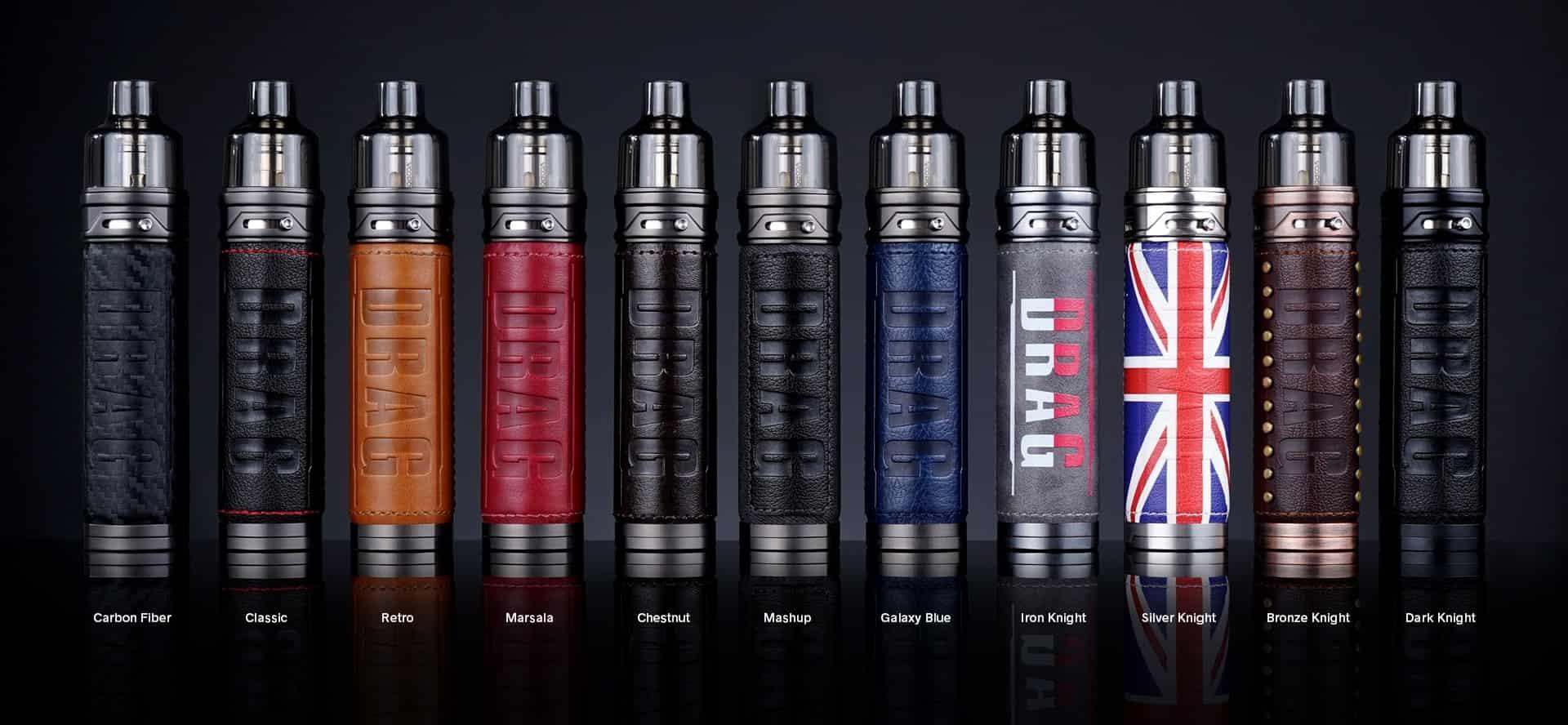 and Malaysia’s E-Cigarette Landscape in 2025
The vaping industry has witnessed significant evolution over the past decade, and within this, the role of E-Raucher has become increasingly prominent. As consumers seek alternatives to traditional smoking, e-cigarettes have gained traction worldwide. In Malaysia, the legal framework surrounding e-cigarettes continues to shift, with 2025 poised to bring critical updates. This article delves deep into the Malaysia e-cigarette legal status 2025 while analyzing E-Raucher trends to provide a comprehensive outlook.
The Rise of E-Raucher: Market and Consumer Behavior Insights
E-Raucher, a term that captures the essence of electronic smoking devices, has seen exponential growth due to increasing health awareness and changing consumer preferences. Electronic smoking products offer a perceived safer alternative compared to combustible cigarettes, thus fueling their popularity among diverse age groups. Market data indicates an upward trajectory in e-cigarette adoption, with flavored vape liquids and sleek device designs playing pivotal roles. The improved technology behind E-Raucher brings forward customizable nicotine delivery, enhancing user experience and satisfaction.
Technological Innovations Driving E-Raucher Appeal
The continuous advancements in E-Raucher technology include enhanced battery life, temperature control features, and integrated safety mechanisms. These improvements not only amplify consumer confidence but also promote competitive edge within the vaping industry. Furthermore, the diversity of e-liquid formulations caters to various regulations and consumer preferences, covering nicotine-free solutions as well. Such flexibility in product design reflects the dynamic nature of the vaping market responding to both consumer demand and regulatory landscapes.
Malaysia E-Cigarette Legal Status 2025: What to Expect?
Malaysia e-cigarette legal status 2025 is a critical topic for both consumers and manufacturers, given the nation’s unique stance on vaping products. Historically, Malaysia imposed strict regulations, including bans on sales and importation of e-cigarettes. However, recent shifts in governmental policy indicate potential easing, aimed at balancing public health concerns with economic opportunities. Experts anticipate detailed legislative frameworks to emerge in 2025 that will define licensing requirements, product standards, and retail guidelines. This transformative phase is expected to foster a more regulated but commercially viable environment for E-Raucher.
Public Health Considerations and Regulatory Balance
The Malaysian authorities emphasize public health as a core component underpinning the evolving legal stance. Effective regulation of E-Raucher aligns with efforts to reduce youth access, prevent nicotine addiction, and control product safety standards. Consequently, the 2025 updates may incorporate strict age verification measures, advertising restrictions, and taxation policies aimed at minimizing misuse. Such regulatory measures echo global trends while catering specifically to Malaysia’s socio-cultural context and health policy objectives.
Economic Impact and Market Opportunities Surrounding Malaysia’s Vaping Sector
With the prospective legitimization of e-cigarettes in 2025, Malaysia may witness vibrant growth within its vaping market. Entrepreneurs and investors are closely monitoring the Malaysia e-cigarette legal status 2025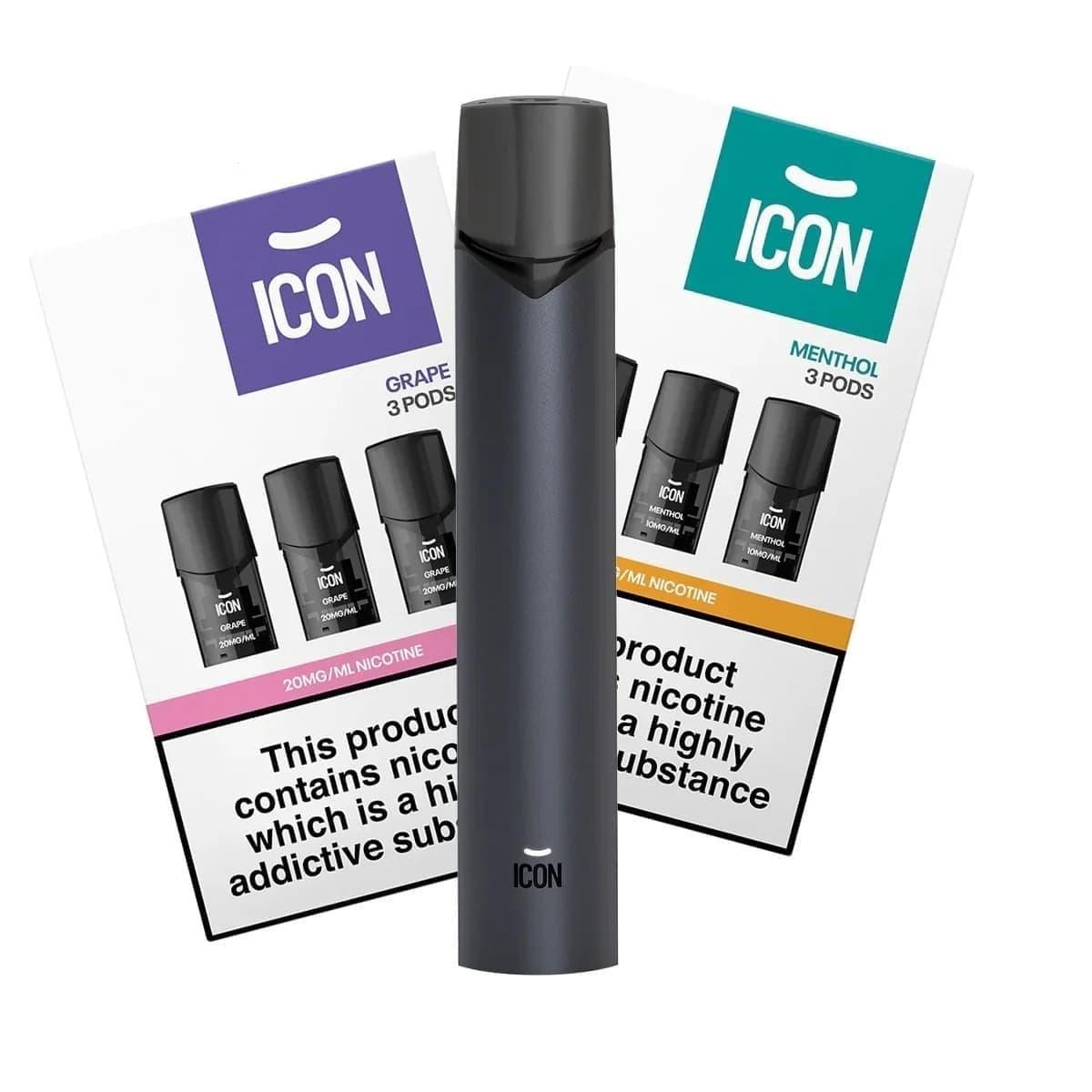 updates to capitalize on emerging business models, production avenues, and retail channels. The regulated market promises job creation, tax revenues, and technological innovation adoption. Nevertheless, stakeholders must navigate compliance challenges and maintain consumer trust through transparency and quality assurance.
The Role of Public Awareness and Education
E-Raucher acceptance and responsible usage depend heavily on effective public education campaigns. Government and industry participants must collaborate to disseminate factual information on vaping benefits and risks, emphasizing harm reduction relative to conventional smoking. This approach fosters informed decision-making and mitigates the spread of misinformation, ensuring sustainable growth of Malaysia’s vaping sector under its 2025 legal framework.
Summary and Forward-Looking Perspectives
In conclusion, the landscape surrounding E-Raucher and especially the Malaysia e-cigarette legal status 2025 stands at a pivotal juncture. With advancements in vaping technology and shifting regulatory paradigms, Malaysia could become a notable market for e-cigarettes within Southeast Asia. Stakeholders must stay informed and adaptable to evolving policies while prioritizing public health and economic development. The synergy between technological innovation, regulation, and consumer behavior will ultimately define the sector’s trajectory.
Frequently Asked Questions (FAQs)
- Is vaping legal in Malaysia in 2025?
- Based on current projections and policy signals, vaping is expected to be regulated with clearer legal frameworks that permit controlled sales and usage.
- What regulations are anticipated regarding E-Raucher products in Malaysia?
- Regulations will likely include product standards, age restrictions, licensing for retailers, advertising limitations, and public health safeguards.
- How can consumers ensure they purchase safe e-cigarette products?
- Consumers should buy from licensed vendors and verify product compliance with Malaysian regulations to avoid counterfeit or unsafe items.