E-cigaretta professional overview and nuanced answers about “are e cigarettes good for you” in the modern era
This longform guide is written for curious readers, clinicians, policymakers and vapers who want a balanced, evidence-informed exploration of E-cigaretta devices and the central question: are e cigarettes good for you? The goal is not to provide a slogan but to unpack the science, practical risks and potential benefits so you can make an informed choice. Throughout this article we will reference the brand concept E-cigaretta as an archetype of modern vapor products while repeatedly asking and answering the SEO-driven query are e cigarettes good for you in plain and technical language.
Quick summary for busy readers
Short answer: are e cigarettes good for you? The concise truth is that for adult smokers who switch completely from combustible tobacco to regulated vaping products like those represented by E-cigaretta, most evidence indicates a reduced exposure to many toxicants compared with smoking. However, e-cigarettes are not harmless, non-smokers and young people face clear harms, and uncertainties remain about some long-term outcomes. This article explores why, how, and under what conditions that broad statement applies.
Why this matters: public health and individual choices
The debate about are e cigarettes good for you sits at the intersection of tobacco control, harm reduction and clinical care. On a population level, widespread adoption of e-cigarettes could lead to net population benefit if it helps smokers quit and reduces smoking initiation. Conversely, if e-cigarette uptake by youth leads to nicotine dependence and later smoking, the net benefit could be diminished. For individuals, switching from smoking to vaping typically reduces exposure to combustion-related chemicals and cancer-causing substances.
How modern devices work (brief technical primer)
Most contemporary devices in the E-cigaretta category heat a liquid solution (commonly called e-liquid or vape juice) to create an aerosol inhaled by the user. The core components are: a battery, a heating element (coil), a reservoir for liquid, and an inhalation mechanism. E-liquids are usually composed of propylene glycol (PG), vegetable glycerin (VG), nicotine in varying concentrations, and flavorings. The presence, concentration and quality of these ingredients are crucial when evaluating are e cigarettes good for you.
What’s in the aerosol?
The aerosol can contain nicotine, ultrafine particles, volatile organic compounds (VOCs), carbonyls (like formaldehyde under some conditions), metals (from coils), and other components. Compared to cigarette smoke, levels of many harmful constituents are lower or absent, but not zero. The patterns of use (e.g., coil temperature, device power, puff topography) strongly influence emissions and thus health risk.
Evidence on short-term effects: symptoms and biomarkers
For people switching completely from cigarettes to e-cigarettes, several short-term improvements are commonly observed: reduced carbon monoxide exposure, improved respiratory symptoms like cough and shortness of breath, and better blood pressure and heart rate measures for some former smokers. Studies measuring biomarkers (such as NNAL, a tobacco-specific nitrosamine metabolite) show reductions in exposure for many users who quit smoking and use only vaping products. These data support a cautiously optimistic answer to are e cigarettes good for you when comparing to continuing smoking.
Cardiovascular and respiratory considerations
 E-cigaretta expert review and insights on are e cigarettes good for you in 2025 – risks benefits and science explained” />
Vaping causes acute physiological effects such as transient increases in heart rate and blood pressure in some users — largely driven by nicotine. The long-term cardiovascular consequences remain under active investigation; while reduced exposure to combustion products is plausibly beneficial, the long-term impact of chronic inhalation of aerosols, particulates and flavoring chemicals is not fully known. Respiratory data show mixed signals: many adults report symptomatic improvement after switching from smoked tobacco, yet there are documented cases of airway irritation, bronchitis-like symptoms, and rare severe lung injuries (often linked to illicit THC products or high-temperature aerosolization). Therefore when people ask are e cigarettes good for you it is reasonable to say the respiratory answer depends on prior smoking status and product quality.
Long-term risks and open questions
The longest cohort data available are just over a decade in most countries, so lifetime risk projections are modeled rather than empirically observed. Key uncertainties include: the cancer risk from chronic exposure to aerosol constituents; the cardiovascular risk of decades-long nicotine exposure via aerosol particles; and the cumulative effects of flavoring chemicals inhaled over many years. Regulatory standards, product design improvements and lower-toxicity formulations can mitigate many risks, but unknowns persist — which is why public health messaging emphasizes both harm reduction for smokers and prevention of uptake among youth.
Nicotine: addiction, benefits and harms
Nicotine is the primary addictive agent and has acute physiological effects. It is not the major carcinogen in tobacco smoke, but it can affect brain development in adolescents and may have cardiovascular effects. For adult smokers, nicotine delivered by e-cigarettes can replace smoked nicotine and alleviate withdrawal, which is a harm-reduction benefit. Thus the nicotine question is central when answering are e cigarettes good for you: beneficial when used as a substitute by adult smokers; harmful when initiating dependence in non-smokers or youth.
Youth, flavors and initiation concerns
One of the largest concerns driving regulation is whether the appealing flavors and marketing of devices like those in the E-cigaretta category promote use among adolescents. Epidemiological surveillance in multiple countries shows increased experimentation among youth when flavored, discrete, high-nicotine products are widely available. Many health authorities interpret these patterns as a public health risk that could reverse decades of progress against youth tobacco use. Therefore, while adult harm reduction may justify regulated access for smokers, stronger restrictions are recommended to protect young people. This nuance directly addresses the public interest version of are e cigarettes good for you — good for some populations in risk-reduction terms, potentially harmful for others.
Pregnancy and vulnerable populations
In pregnancy, nicotine exposure is discouraged due to fetal development risks. For pregnant smokers, cessation without nicotine exposure is ideal; if unsuccessful, current guidance is cautious about recommending e-cigarettes because of uncertain fetal risks. Similarly, people with certain cardiovascular conditions should consult clinicians before using nicotine-containing products.
Product safety, device design and practice tips
Device quality matters. Regulated, well-designed products with temperature control and reliable batteries minimize risks of overheating, coil degradation and battery-related injuries. Tips for safer use include: buy from reputable manufacturers, use appropriate chargers, avoid modifying devices or using illicit cartridges, choose lower-temperature settings, prefer nicotine concentrations aligned with cessation goals, and avoid vaping in enclosed spaces or around children. For smokers asking are e cigarettes good for you, these practical choices can maximize potential benefits and minimize avoidable harms.
Regulation and quality control
Good regulatory frameworks require product testing, limits on contaminants, age restrictions, truthful labeling and surveillance. Countries with comprehensive policies can harness E-cigaretta-type products for harm reduction while mitigating youth take-up and poor-quality imports. Public health agencies increasingly recommend a dual approach: making effective cessation aids accessible to adults while strengthening prevention for young people.
Comparisons and consumer guidance
- For current adult smokers: Switching completely to a regulated e-cigarette is generally less harmful than continued smoking; evidence supports using vaping as a cessation aid if other approved therapies fail or aren’t acceptable.
- For non-smokers and youth: Initiating vaping is not recommended; the question are e cigarettes good for you is answered in the negative for these groups due to addiction risks and uncertain long-term harms.
- For pregnant people: Avoid nicotine products whenever possible; seek professional cessation support.
- For harm-reduction policy: Encourage adult access to regulated products while restricting flavors and marketing that appeal to youth.
Clinical evidence for quitting smoking
Randomized controlled trials comparing e-cigarettes with nicotine replacement therapy (NRT) show higher quit rates for some e-cigarette interventions when combined with behavioral support. However, many ex-smokers continue to use nicotine via vaping long-term. Whether prolonged vaping maintains reduced-risk status compared to nicotine abstinence is an area of active study. For clinicians counseling patients who ask are e cigarettes good for you, an individualized approach that weighs prior quit attempts, preferences and comorbidities is recommended.
Environmental and bystander considerations
Vapor exhaled by users contains fewer toxicants than secondhand smoke, but it is not simply water vapor. Enclosed spaces and sensitive populations (children, people with respiratory conditions) should be protected from aerosol exposure. Workplace policies and public health guidance can balance harm reduction with bystander protection.
Battery safety and misuse

Battery failures causing fires or explosions are rare but can be severe. Use manufacturer-recommended chargers, avoid physical damage to batteries, and replace worn devices. Illicit or counterfeit products pose additional safety concerns and often lack quality control.
Risk communication: how to talk about “are e cigarettes good for you”
Clear, honest, and audience-specific communication is essential. For smokers: emphasize relative risk reduction, the importance of complete switching, and the availability of behavioral supports. For parents and youth: stress that vaping is not harmless and discourage initiation. For policymakers: present balanced evidence weighing population-level harms and benefits, and prioritize surveillance and responsive regulation.
Key takeaways (SEO-focused)
- Context matters: are e cigarettes good for you cannot be answered universally — it depends on prior smoking status, age, device quality, and patterns of use.
- For adult smokers, vaping often reduces exposure to combustion products and can be a useful cessation aid.
- For non-smokers and youth, starting to vape creates avoidable harms including nicotine dependence.
- Regulation, quality control and product standards improve the benefit-risk profile for adult smokers while reducing unintended uptake among youth.
Practical decision checklist
If you smoke and are considering E-cigaretta style devices as an alternative, ask yourself: 1) Have I tried approved cessation methods? 2) Will I switch completely or maintain dual use? 3) Can I obtain regulated, tested products? 4) Am I comfortable with continued nicotine use? Honest answers will help determine whether these products make sense for you personally and inform a pragmatic response to are e cigarettes good for you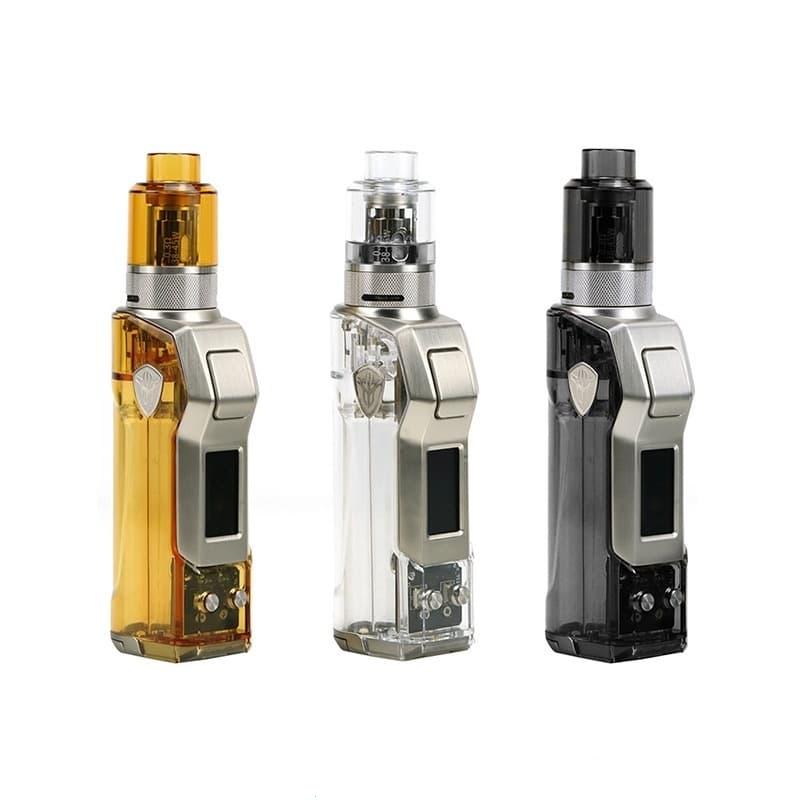 .
.
Bottom line: E-cigarettes can be a tool for harm reduction for adult smokers but are not risk-free and should be kept away from young people and non-smokers.
Monitoring and future research priorities
High-quality longitudinal studies, standardized device and e-liquid testing, independent surveillance of youth initiation, and evaluation of policy impacts are urgent priorities. Innovations that reduce toxicant emissions, improve nicotine dosing for cessation, and prevent youth appeal will shape the future answers to are e cigarettes good for you.
Final practical tips
- Use regulated devices from reputable suppliers.
- Avoid modifying hardware or using informal liquids.
- Seek behavioral support for cessation.
- Do not give vaping devices or e-liquids to minors.
- Consult healthcare providers if you have cardiovascular disease, are pregnant, or have chronic respiratory illness.
References and further reading
This article synthesizes peer-reviewed studies, public health agency guidance and clinical trial data to answer the persistent question are e cigarettes good for you. For clinicians and policymakers, seek the latest systematic reviews and local regulatory updates to inform decisions.
Frequently asked questions
- Q: Do e-cigarettes help smokers quit?
- A: Clinical trials show some e-cigarette interventions outperform nicotine patches in supported settings, but outcomes vary. Combining behavioral support with a regulated device maximizes quit chances.
- Q: Are e-cigarettes safe for teenagers?
- A: No; nicotine harms adolescent brain development and vaping can lead to nicotine dependence. Prevention strategies and restrictions on youth-appealing products are recommended.
- Q: Is vaping less harmful than smoking?
- A: For most smokers who switch completely, vaping reduces exposure to many harmful combustion products and is likely less harmful, but it is not risk-free.
Keywords: E-cigaretta | are e cigarettes good for you