Practical Consumer Guide to Modern Vaping Devices and Regulation
This comprehensive resource is written for curious shoppers, health-minded consumers and people researching nicotine alternatives. It focuses on the landscape surrounding e-cigarettes|legal e cigarettes, product safety, regulatory frameworks, and practical guidance on where to buy from reputable sellers. The goal is to empower readers with clear, actionable knowledge so they can recognize quality devices, identify compliant products, and make informed purchasing decisions.
Why a consumer-focused approach matters
Vaping technology has evolved rapidly; the category that once relied on small-scale novelty devices now includes complex systems designed for different adult users. That growth means more options but also more variability in quality and regulatory compliance. A thoughtful consumer guide helps you parse labels, test claims, and the difference between regulated products and unverified imitations.
Core topics covered
- What’s inside a modern device: batteries, coils, e-liquid composition, firmware and safety features
- How regulation affects availability: lab testing, packaging rules, age verification, bans, and tax impacts
- Where to buy safely: trusted brick-and-mortar stores, certified online shops, independent labs and manufacturer channels
- How to spot counterfeits and unsafe goods: tamper-evident seals, batch codes, lab results and certification marks
Throughout this guide we deliberately repeat the searchable phrase <strong>e-cigarettes</strong> and the phrase <strong>legal e cigarettes</strong> in SEO-friendly places such as headings, links and emphasized text so that it is easy to find relevant advice when researching compliance and quality online.
Understanding the product: components and common terms
A typical system includes a battery or power source, an atomizer that heats liquid, and the e-liquid itself. Ingredients commonly listed include propylene glycol (PG), vegetable glycerin (VG), nicotine (optional), and flavorings. Independent laboratory testing is the clearest way to verify content claims, and reputable brands publish certificates of analysis (COAs) from accredited labs. When you see e-cigarettes marketed without any accessible testing data, proceed cautiously.
Battery and electrical safety
Battery failures are a primary source of product incidents. Look for devices with built-in protections such as overcharge, short circuit, and thermal cutoff. Buy only from brands that publish battery specifications and safety testing. Improper chargers, low-quality cells, and counterfeit batteries increase risk.
E-liquid composition and labeling
Authentic labels list ingredients, nicotine strength, batch numbers and often a production date or expiry date. Many jurisdictions require child-resistant packaging and explicit health warnings. If a product lacks clear labeling or the vendor is evasive about contents, consider that a red flag.
Regulation: what it means for safety and access
Regulatory frameworks vary significantly by country and even by region. Some governments treat these devices as tobacco products, others as consumer goods, and a few as medical devices when marketed for smoking cessation. The effect of regulation can be summarized as improved transparency (when effectively enforced), fewer illicit products, and standardized testing requirements.
Common regulatory features
- Mandatory age verification to reduce youth access
- Limits on nicotine concentration in e-liquids in some regions
- Product registration or notification to public health authorities
- Mandatory lab testing for contaminants and accurate nicotine labeling
- Packaging and advertising restrictions designed to avoid youth appeal
When shopping for legal e cigarettes look for indicators of regulatory compliance such as government registration numbers, COAs, and retailer policies that clearly show ID checks at purchase.
How to evaluate a seller: 10 practical checks
Whether buying in person or online, use a checklist to reduce risk. Good sellers stand behind their products and provide documentation. Below are ten quick checks:
- Visible proof of age verification practices and clear return policies
- Product packaging with batch codes and production dates
- Published lab reports and ingredient transparency
- Manufacturer contact information and warranty terms
- Customer reviews on third-party sites, not just on the seller’s page
- Secure payment processing and clear shipping practices
- Signs of authorized dealership for well-known brands
- Clear labeling for nicotine strength and warnings
- Battery and charger specifications explicitly provided
- No excessive marketing targeted at minors
These checks help you differentiate a trusted distributor from anonymous sites selling unverified bulk goods. Reputable retailers will also be able to answer technical questions about device maintenance and coil compatibility.
Where to buy: trusted channels
Safe purchasing options typically include official brand websites, certified retailers, and local vape shops with staff who can verify product authenticity. Each channel has pros and cons:
- Brand websites: Best for ensuring authenticity; manufacturers often provide warranty and direct customer support.
- Authorized retailers: They may stock a wider selection and can validate product sourcing.
- Independent shops: Provide in-person education and side-by-side comparisons; look for stores that participate in industry training programs.
Be cautious with unverified marketplaces that allow anyone to list items without proof of sourcing. If you choose to buy from an online marketplace, check seller ratings and ask for COAs when product safety claims are made.
Online purchase tips
When shopping online for e-cigarettes or legal e cigarettes, verify the store’s age verification process, read cancellation and returns policies, confirm shipping legality to your region, and ensure package tracking is offered. Favor vendors that provide visible links to their lab certificates and provide real customer service channels.
International shipping and legal restrictions
Customs rules may prohibit importation of nicotine-containing liquids into some countries. Even if a seller ships internationally, you may be liable for seizure or fines. Confirm local laws before placing an order.
Health considerations and comparative context
Many public health agencies emphasize that while vaping may be less harmful than combustible cigarettes for adults who already smoke, it is not risk-free. Known concerns include nicotine addiction, potential respiratory irritation, and long-term unknowns for inhalation of flavoring compounds. If you use products as a smoking alternative, seek devices and e-liquids with clear labeling and independent testing.
For people trying to quit smoking
Some guidelines recommend evidence-based cessation tools such as nicotine replacement therapy (NRT) or pharmaceuticals. Where allowed, certain e-cigarettes marketed as cessation aids may be subject to medical regulation and additional testing. Consult clinicians to choose the safest, most effective path. Keep in mind that not all legal e cigarettes are designed for cessation; many are recreational products intended for adult consumers.
Counterfeit and adulterated products: how to spot danger
Illicit items often mimic packaging of well-known brands but lack proper internals, safety labeling, and COAs. Warning signs include extremely low prices, vague product descriptions, missing batch numbers, and sellers who refuse to provide testing documentation. If a product looks too cheap to be true, trust your instincts.
Packaging cues and verification steps
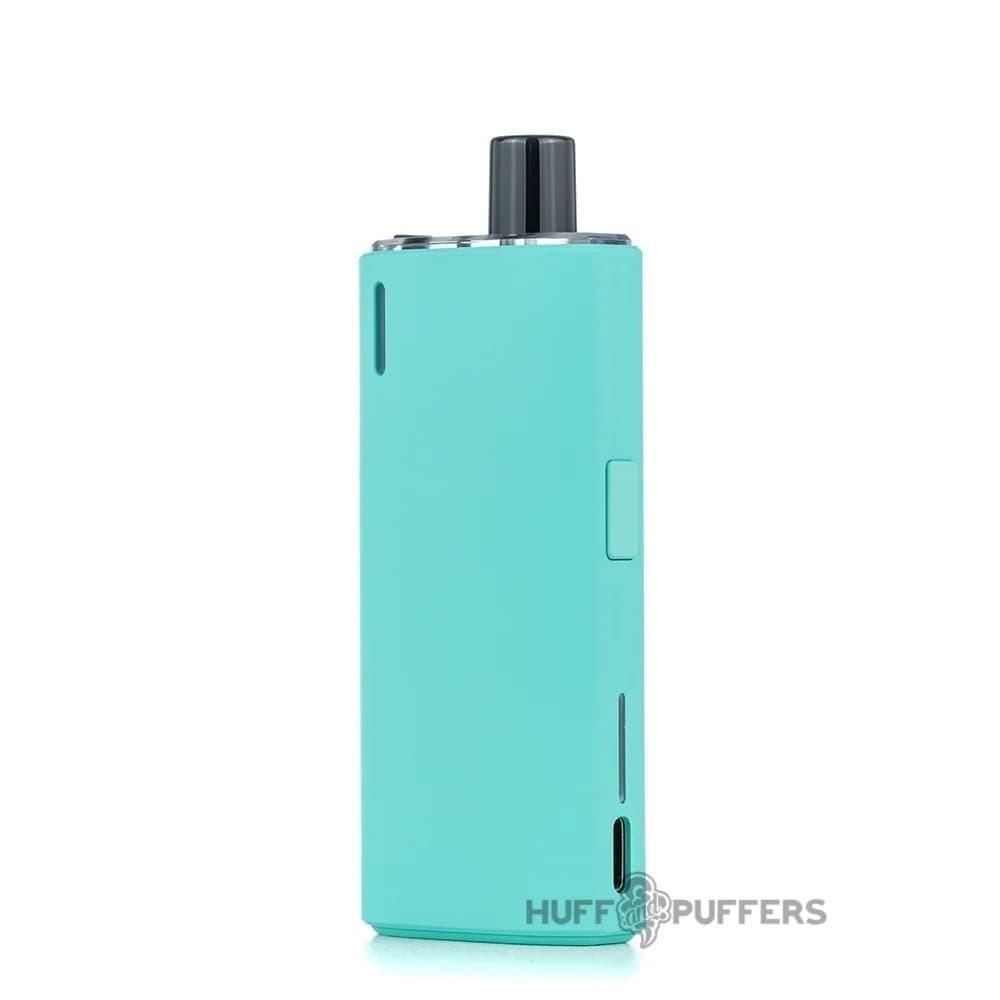
Check for holographic seals, QR codes that link to manufacturer pages, unique serial numbers and non-removable batch stamps. If available, verify those codes on the manufacturer’s site or contact customer support for confirmation.
Maintenance and safe usage
To keep devices safe and performing well, follow manufacturer instructions for charging, coil replacement and e-liquid compatibility. Avoid mixing battery types and always use the recommended charger. Store e-liquid away from children and pets, and dispose of batteries at proper recycling centers.
Environmental and disposal tips
Many devices contain lithium batteries and should not be discarded in general waste. Find local electronic waste or battery collection sites. Empty e-liquid containers should be rinsed and recycled according to local guidance where possible.
Costs and value
Initial device costs vary widely. Pod systems and disposables have lower up-front cost but may be more expensive over time; refillable devices and modular systems have larger initial investment but lower ongoing liquid costs. When comparing price, factor in warranty, availability of replacement parts, and the brand’s transparency about safety.
Industry standards, testing, and certification
Independent testing by accredited labs is the gold standard for verifying claims. Look for COAs that test for heavy metals, nicotine accuracy, solvent residues, and microbial contamination. Some regions have formal certification marks indicating compliance with local product safety laws; such marks are typically listed in government registries.
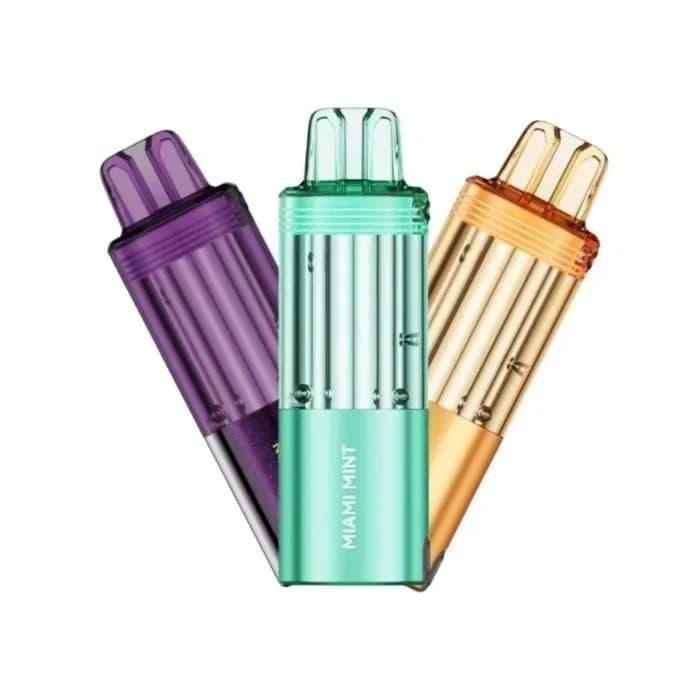
Renting or trying devices in-store
A responsible shop may allow you to see and hold devices before buying, but sampling should be conducted under safe practices with disposable mouthpieces to prevent cross-contamination. Staff should explain maintenance schedules and compatibility issues.
Emerging trends and what to watch
- More stringent testing and reporting requirements in many markets
- Growth of nicotine salt formulations designed to deliver a smoother throat hit at higher concentrations
- Push for standardized battery safety labeling and charger compatibility
- Expansion of medical-grade, regulated cessation devices in select countries
Checklist: safe purchase summary
Before you complete a purchase, ensure you can answer “yes” to these questions: Does the seller provide COAs? Is there transparent age verification? Are batch codes and manufacturing dates visible? Is warranty and return information clear? Is battery and charger compatibility explained? If you answered no to any, reconsider the transaction.
Legal and policy considerations
Be aware of local laws regarding sale, possession and use. Some places ban flavored products, others prohibit online sales or require in-person ID checks. Always verify current local regulations before purchasing or traveling with any device or liquids.
Consumer rights and dispute resolution
If you receive an unsafe or misrepresented product, document packaging and product condition, retain order receipts, and contact the seller immediately. Use payment dispute mechanisms if necessary and reach out to consumer protection agencies if the seller is uncooperative.
Resources and reputable sources to consult
Trusted sources include public health agencies, accredited testing laboratories, consumer protection bureaus and major manufacturer websites that publish COAs and safety datasheets. Industry associations may also maintain registries of compliant members.
Conclusion: practical next steps
In short, prioritize transparency and testing when selecting a device or e-liquid. Seek out sellers who provide COAs, clear labeling and responsible age verification. Favor established brands with proven customer service and documented safety practices. Whether you are comparing e-cigarettes or checking the legality of legal e cigarettes in your area, informed decisions reduce risk and improve user experience.
FAQ
Q1: Are regulated devices guaranteed safe?
Even regulated devices carry some risk; regulation reduces certain hazards by requiring testing and labeling, but it cannot eliminate all risk. Use regulated products, follow instructions, and consult healthcare professionals when using nicotine products for cessation.
Q2: How can I verify lab results?
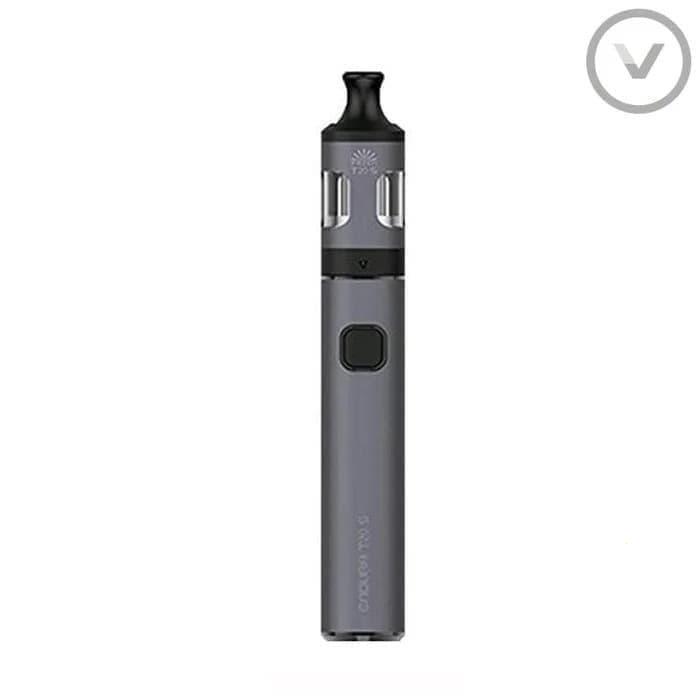
Ask the seller for a certificate of analysis (COA) from an accredited third-party lab. Verify the lab’s accreditation and match batch numbers on the COA to the packaging.
Q3: Is buying online safe?
Buying online can be safe if you purchase from authorized retailers or brands who publish age checks and COAs. Avoid anonymous sellers on marketplace listings that lack transparency.