Understanding Safer Vaping: A Practical Guide to Modern Inhalation Devices
Overview: Why informed use matters for papieros elektroniczny and e cigarette safety
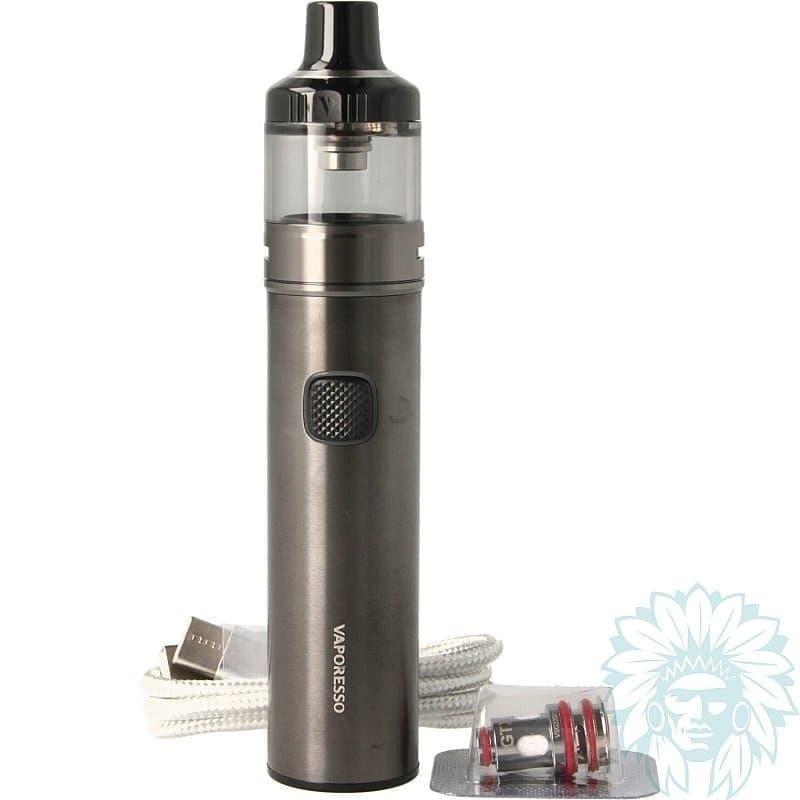
Vaping devices, often referred to by many names across languages and markets, require thoughtful attention to design, maintenance and consumer behavior. Whether you’re researching papieros elektroniczny options or seeking clear, evidence-informed advice on e cigarette safety, this long-form guide walks through the practical steps, risk-management strategies and best practices that help reduce harm while keeping convenience and satisfaction in mind. The goal here is not to glamorize nicotine use, but to provide realistic, actionable and reliable information about safer operation, storage, and selection of electronic nicotine delivery systems.
What this guide covers
- Core components and how they affect safety
- Battery hazards and prevention
- E-liquid composition and contamination risks
- Device hygiene, maintenance and failure prevention
- Regulation, testing and quality markers to look for when buying
- Practical harm-reduction recommendations for everyday use
Key terms explained
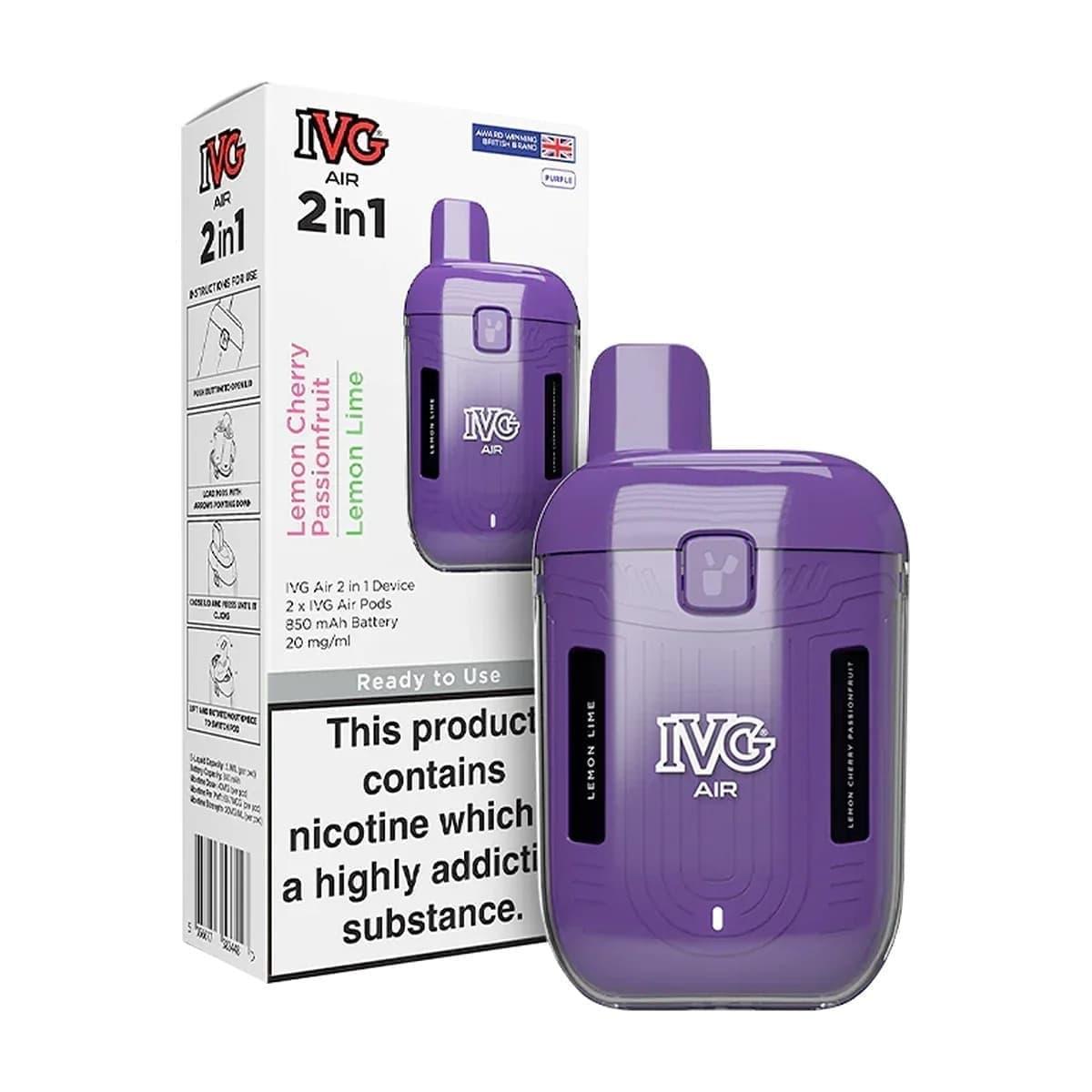
Pod systems — small, often closed or refillable units for convenience.
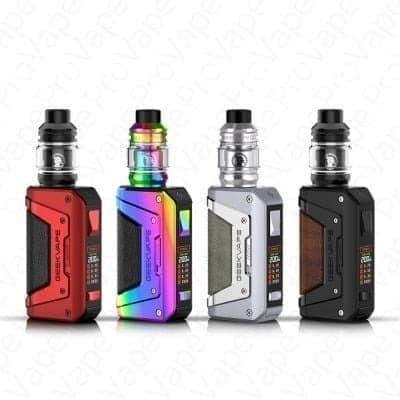
Mods — variable power devices that allow user adjustments.
Coils — heating elements; their resistance, material and build influence vapor chemistry and battery stress.
E-liquid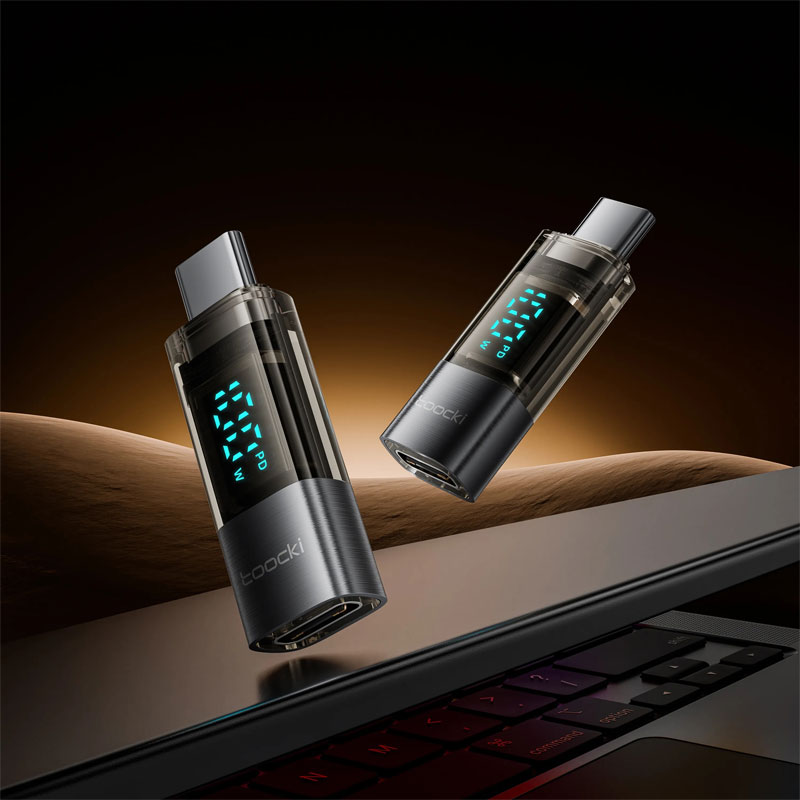 — mixture of propylene glycol (PG), vegetable glycerin (VG), flavors and optionally nicotine; quality and storage are crucial.
Components and why they matter for papieros elektroniczny safety
Understanding how a device works is foundational to safe use. A basic papieros elektroniczny includes a battery, a heating element (coil), a wicking material, and a reservoir for e-liquid. Each of these parts can be a point of failure if incompatible parts are combined, if they are poorly manufactured, or if they are abused (for example left charging unattended or exposed to high heat). The most common safety concerns arise from lithium-ion batteries and from contaminated or improperly mixed e-liquids. With this knowledge, users can evaluate product specifications, manufacturer guidance, and community experience to choose safer devices.
Battery safety: simple rules that prevent serious incidents
e cigarette safety begins with lithium battery awareness. Batteries are the energy source, and when mistreated they can overheat, vent, or even rupture. To manage risk:
- Use the charger recommended by the manufacturer: fast or third-party chargers can overload cells.
- Do not charge overnight or when you will be away from the device for long periods.
- Avoid storing batteries loose in pockets with keys, coins or other metallic objects that can short terminals.
- Inspect batteries for physical damage: dents, tears in the wrapper, or bulging are signs to stop use immediately.
- If you use removable cells, learn safe charging practices including using an external charger with safety cutoffs and temperature monitoring.
Signs of battery stress and what to do
Rapid heating during charging or vaping, unusual noises, chemical smells, or changes in device performance indicate a problem. Immediately stop using the device, place it in a fireproof container if available, and follow local guidelines for disposal. Never puncture or douse a failing battery with water.
Quality of e-liquids and contamination risks
The market for e-liquids has wide variation in quality and manufacturing controls. Buying liquids from reputable manufacturers that provide batch testing, ingredient lists, and clear labeling is a key step in promoting e cigarette safety. Be cautious with homemade mixes, unknown sources or black market products, especially those lacking nicotine quantification, microbial testing, or contaminant screening. Key points:
- Prefer e-liquids with certificate of analysis (CoA) or lab reports detailing nicotine levels, residual solvents, and flavoring purity.
- Avoid products with vitamin E acetate or industrial additives linked to lung injury.
- Store e-liquids in child-resistant packaging away from heat and direct sunlight.
Nicotine concentration and dosing
Nicotine is the addictive component for most users; it also has acute cardiovascular effects at high doses. If choosing to use nicotine-containing e-liquid, selecting an appropriate concentration based on previous smoking patterns and nicotine dependence can reduce the risk of overuse. Lower concentrations paired with frequent puffing can deliver similar nicotine amounts to higher concentrations taken more slowly, but both scenarios require attention to tolerance and cravings. For those transitioning from combustible cigarettes, many clinicians recommend titrating dose down over time while monitoring withdrawal and craving symptoms.
Device maintenance, atomizer hygiene and coil selection
Regular cleaning and appropriate coil replacement are essential to maintain both performance and safety. Accumulated residue can change the flavor profile, create hotspots on the coil, and increase the likelihood of burnt wicks or thermal decomposition of e-liquid components. Practical maintenance tips for improved papieros elektroniczny and e cigarette safety include:
- Follow manufacturer coil lifespan guidance and replace coils at the first signs of burnt taste or reduced vapor production.
- Rinse and dry tanks regularly when changing flavors to avoid cross-contamination and microbial growth.
- Use the right wattage for your coil; exceeding recommended wattage increases thermal stress and may produce more harmful byproducts.
- Prime new coils: wet the wick with e-liquid and take a few low-power draws to avoid dry hits.
Flavorings and thermal chemistry
Some flavor compounds are safe for ingestion but may behave differently when heated and inhaled. Research into long-term inhalation of flavoring chemicals is ongoing; until more is known, cautious selection—prefer fewer complex flavor mixtures and well-studied additives—reduces unknown exposure. If you notice throat irritation, persistent cough, or new respiratory symptoms after switching flavors, stop use and consult a medical professional.
Choosing a device: what to look for
Selecting high-quality, tested equipment is a major factor in enhancing e cigarette safety. Look for:
- Devices from manufacturers with clear warranty policies and transparent safety testing.
- Battery and charging specifications that match recognized standards.
- Clear instructions, visible serial numbers, and customer service options.
- Regulated devices with protective circuitry (over-discharge, over-current, short-circuit protection).
Avoid counterfeit or cheaply-made clones with poor tolerances and unknown internals; these are frequently implicated in product failures.
Travel, storage and situational precautions
Air travel and vaping have specific rules; always check airline and local regulations before bringing devices on board. For storage, keep devices and e-liquids at stable room temperatures, away from children and pets. Transport removable batteries in protective cases, and never leave devices in vehicles on very hot days where temperatures can rise rapidly. For parents and caregivers, keeping all nicotine products locked up is a non-negotiable safety practice.
Regulations, labelling and how to verify product claims
Regulatory frameworks vary across countries; mature markets often require child-resistant packaging, ingredient labeling, and limits on nicotine strength. For enhanced papieros elektroniczny safety, check for:
- Lab-tested ingredients and nicotine concentration verification.
- Manufacturers who publish product safety data and have third-party testing partners.
- Compliance logos or references to recognized standards—but always cross-check these claims against accessible test reports or regulatory listings.
Consumer vigilance helps hold the market to higher standards: report suspicious products to appropriate authorities, and consider sharing credible test data with community resources.
Harm reduction context: relative risks compared to smoking
Public health agencies in several countries have acknowledged that for adult smokers, switching completely to electronic nicotine delivery systems can reduce exposure to many of the toxicants produced by combustion. However, reduced exposure is not no exposure; the safest option for health remains complete cessation of nicotine and tobacco products. That said, for adults who can’t or won’t quit, informed and cautious use of regulated papieros elektroniczny products may reduce some health risks associated with smoking. This guide emphasizes safer practices, not endorsement of nicotine initiation.
Common myths and evidence-based clarifications
- Myth: All e-liquids are harmless because they’re “only flavor and water.” Fact: E-liquids contain chemical constituents that can produce toxic byproducts when heated; quality and composition matter.
- Myth: Higher power always means better flavor. Fact: Exceeding coil wattage can create harmful thermal breakdown products and taste unpleasant.
- Myth: If a product is inexpensive it must be fine. Fact: Lower cost can reflect poor materials, inadequate testing, or unsafe manufacturing practices.
Simple, everyday safety checklist
Before you vape: check battery condition, use the correct charger, verify e-liquid integrity, confirm coil compatibility, set power within recommended range, and store spare batteries safely. During use: avoid chain vaping for long periods, inspect device temperature, and stop if you detect odd smells or tastes. After use: power off devices when not in use, and keep liquids and devices out of children’s reach.
Special situations: pregnancy, respiratory disease, and young people
Nicotine exposure during pregnancy can harm fetal development; pregnant individuals should avoid nicotine-containing products. People with pre-existing respiratory or cardiovascular disease should consult clinicians before using any vaping product. For adolescents and young adults, non-initiation is the most protective approach: nicotine can affect brain development and increase the risk of addiction. Protecting vulnerable populations is part of broader public health responsibility.
Advanced tips for experienced users
For those who use advanced devices, additional precautions apply. Building coils, modifying devices, or using unregulated wattages demands a deeper understanding of electrical principles and thermal chemistry. Practice safe ohm’s law calculations, learn proper wicking techniques, anneal and inspect builds for shorts, and always use high-quality cells designed for your device class. Join reputable communities focused on safety rather than simply performance, and prioritize documentation from coil and device builders who publish measured data.
Signs you should seek professional help
If you experience persistent coughing, chest pain, shortness of breath, wheezing, or severe allergic reactions after vaping, discontinue use and consult a healthcare provider. For suspected nicotine poisoning (dizziness, nausea, vomiting, tremors, rapid heartbeat), contact emergency services or poison control immediately. Early medical evaluation helps distinguish vaping-related symptoms from other causes and guides appropriate treatment.
Responsible use and well-informed choices reduce many of the avoidable risks associated with modern inhalation devices.
Purchasing guide: questions to ask before you buy
- Does the manufacturer provide lab results for e-liquids and components?
- Is the battery specification clearly stated and matched to the device?
- Are replacement coils and spare parts available from reputable suppliers?
- Is there a clear warranty and customer service channel?
Answering these questions helps you pick products that align with sensible e cigarette safety practices and long-term reliability.
Community resources and authoritative information
Trust sources with transparent methodology and peer-reviewed evidence. Where available, consult national public health agencies, independent testing labs and clinical guidance documents for up-to-date findings. Community forums can be useful for practical tips, but always verify claims against credible references.
Practical routines to adopt today
Adopt a simple daily routine: inspect the device visually, ensure battery wrappers are intact, confirm the tank is sealed and free of leaks, and check the mouthpiece for debris. Weekly: deep clean the tank, replace coils per manufacturer guidance, and audit e-liquid inventory for expiry. Monthly: review charging equipment, reset any device firmware updates where applicable, and refresh your knowledge about current product recalls or advisories.
Optimizing experiences while limiting exposure
Limit frequency and depth of inhalation if your objective is harm reduction, avoid unnecessary flavor complexity, and prefer regulated devices with conservative power ranges. These adjustments can preserve the subjective satisfaction many users seek while reducing the intensity of exposure to heated aerosols.
Handling accidental spills and poisoning risks
Nicotine solutions can be toxic if ingested or if they contact skin in large amounts. For spills: wear gloves, ventilate the area, absorb and contain the liquid with appropriate materials, and follow local hazardous waste guidance for disposal. For skin contact, wash thoroughly with soap and water; for ingestion or severe symptoms, seek medical help immediately.
Summary: Building a personal safety strategy
Safer vaping is about combination of device choice, product quality, maintenance discipline, and informed behavior. Whether your interest is in papieros elektroniczny alternatives or you simply want to reduce risks associated with vaping, the principles are consistent: prioritize tested products, respect battery and e-liquid handling guidance, keep devices clean, and seek medical advice when needed. By applying these measures, users can significantly reduce many common harms associated with electronic nicotine delivery systems while remaining better informed about residual uncertainties and evolving science.
Practical checklist (printable)
- Verify e-liquid CoA and ingredients
- Check battery type and charger compatibility
- Inspect coils and wicks before first use
- Store away from children, pets and high heat
- Dispose of batteries and liquids per local regulations
If you want more detailed help selecting a device or interpreting a lab report for an e-liquid, consult trained professionals or certified testing organizations. Stay curious, stay cautious, and remember that incremental, evidence-based changes to behavior can meaningfully improve safety outcomes.
FAQ
Q1: Are all papieros elektroniczny devices equally safe?
A1: No. Safety varies by device design, battery quality, manufacturing standards and user behavior. Choose regulated devices with safety features and buy e-liquids from manufacturers that provide testing documentation.
Q2: How can I minimize risks from batteries?
A2: Use the correct charger, avoid overnight charging, never use damaged batteries, store batteries safely and use protective cases when transporting removable cells.
Q3: Is it safer to switch completely from cigarettes to vaping?
A3: Many health authorities suggest switching completely can reduce exposure to certain toxins compared with continued smoking, but the only fully safe option is to stop all tobacco and nicotine products. If switching, use regulated products and follow safer use practices outlined above.