Vape culture, regulation and practical guidance for users in New South Wales
This extensive guide explores current trends around Vape devices, the shifting policy scene, and the critical question many residents and visitors ask: are e cigarettes legal in nsw? It is written for consumers, public health advocates, retailers and curious citizens who want a clear, well-structured overview. The aim is SEO-friendly and user-focused: repeated, contextually placed keywords, semantic headings, and practical action points to help you understand how laws, enforcement and public health guidance intersect with everyday use.
Quick summary
Short answer: rules are complex and depend on the type of product (nicotine vs non-nicotine), how it is supplied, whether it is imported or sold domestically, and the intended user. If you’re asking are e cigarettes legal in nsw, you need to consider several legal pathways: prescription-based nicotine access, strict retail prohibitions, and specific exceptions for personal importation under regulated conditions. This article breaks those pieces down and provides practical tips for anyone using or considering Vape devices.
Why this matters now
Across Australia, including New South Wales, regulators and health services have ramped up attention to electronic nicotine delivery systems because of rapid market changes and public health concerns. The conversation spans youth uptake, harm-reduction for adult smokers, black-market supply, and cross-border commerce. In this evolving landscape, answers to are e cigarettes legal in nsw vary depending on the interpretation of federal and state laws.
Definitions and common terms
- Vape / vaping device: an electronic device that heats a liquid (e-liquid) to create an inhalable aerosol.
- e-cigarette: often used interchangeably with Vape, though some people distinguish form factor (cigalike, pod, mod).
- Nicotine e-liquid: vape liquid that contains nicotine, regulated differently to non-nicotine fluids.
- Non-nicotine vape: e-liquids without nicotine are treated differently under some regulations but are still subject to consumer safety rules.
Federal vs state rules: the legal framework
When trying to answer are e cigarettes legal in nsw, you must look at both federal Australian regulations and NSW-specific rules. At the federal level, nicotine is a Schedule 7 or Schedule 4 substance depending on presentation and is tightly controlled. Nicotine-containing e-liquids are generally considered prescription-only medicines and require authorization for sale. Meanwhile, states may impose additional restrictions on retail sales, public usage and supply to minors. In NSW, retail sale of nicotine e-liquid without authorization is prohibited, yet there are practical mechanisms—such as medical prescriptions—that lawful users can utilize.
How people legally obtain nicotine for vaping in NSW
There are a few main legal channels that impact whether a person in NSW can legally possess nicotine vapes:
- Prescription model: a medical practitioner issues a prescription for nicotine liquid or nicotine replacement therapies in vape form. Under this pathway, users obtain nicotine legally through a registered pharmacy or approved supplier.
- Importation for personal use: some individuals lawfully import small quantities of nicotine e-liquid for personal use under strict federal customs rules; however, importation is complex and can be refused or seized if documentation is lacking.
- Approved clinical programs or trials: participants in clinical nicotine vaping trials or sanctioned pilot programs may lawfully use nicotine vaping products as part of research or treatment.
Retail and sales: what businesses must know
Retailers in NSW should be aware that selling nicotine e-liquids or nicotine-containing devices without proper authorization is illegal. Many businesses have pivoted to selling non-nicotine Vape devices and accessories while refusing nicotine products, unless they have the required authorization. The enforcement environment can include fines, product seizure and legal consequences for non-compliance.
Public use, smoke-free spaces and social norms
Even where possession is lawful, public use of vaping devices is often restricted. Legislation and local policies may treat vaping similarly to smoking for the purposes of smoke-free areas: hospitals, schools, public transport hubs and many hospitality venues ban both smoking and vaping. So if you’re wondering are e cigarettes legal in nsw in the sense of “can I vape anywhere,” the practical answer is no — many places prohibit use.
Health perspective and harm reduction
Public health authorities emphasize that vaping is less harmful than continuing to smoke combustible tobacco for established smokers who completely switch, but it is not harmless. Youth uptake, nicotine dependence and potential unknown long-term harms are central concerns. The harm-reduction framing does affect legal discourse: some clinicians support controlled access for smokers seeking to quit, which informs prescription pathways and pilot policies. If you are using Vape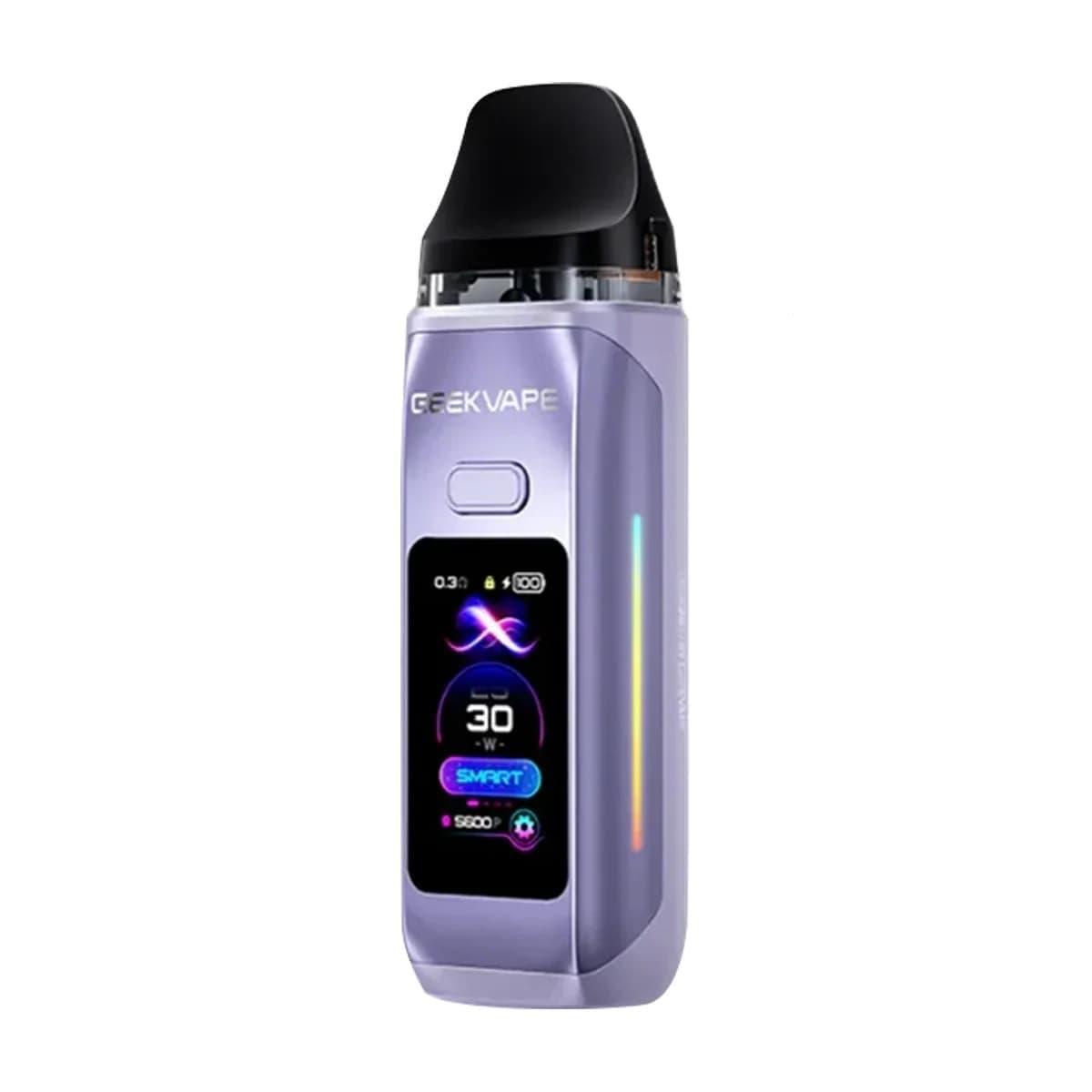 devices to quit smoking, discuss options with your GP so that your approach complies with both medical guidance and legal requirements.
Enforcement and penalties
Penalties for illegal sale or distribution of nicotine vaping products in NSW can include administrative fines, criminal charges in serious cases, and product seizure. Customs may detain imported nicotine liquids. Individual users who attempt to sell or supply nicotine without authorization also risk penalties. These enforcement mechanisms are designed to curb illicit supply chains, but they can also create uncertainty for users and clinicians trying to implement harm-reduction strategies.
Trends shaping the market
Market and cultural trends influence how questions like are e cigarettes legal in nsw are perceived. Key trends include:
- Device innovation: smaller pod systems and disposable devices have increased access and popularity, particularly among younger cohorts.
- Non-nicotine products: growth in flavored, non-nicotine vape liquids, which occupy a legal middle ground and are often sold openly.
- Cross-border commerce and online retail: complex supply chains mean products may be sourced from jurisdictions with different rules, increasing regulatory and enforcement challenges.
- Regulatory experimentation: some jurisdictions are piloting prescription-based models or controlled access programs.
Practical advice for Vape users in NSW
Whether you are a current vaper, a smoker considering switching, or simply curious about legal status, here are practical steps to stay compliant and minimize risk:
- Consult your GP: for nicotine vaping, obtain medical advice and a prescription if appropriate.
- Avoid black-market purchases: unauthorized products may be adulterated or illegal to possess.
- Check import rules: if you consider bringing nicotine e-liquid into Australia, verify customs requirements and keep records of prescriptions or approvals.
- Respect smoke-free policies: many indoor and outdoor spaces ban vaping; observe local signage and staff instructions.
- Keep documentation: prescriptions, receipts and medical notes help demonstrate lawful possession if questioned by authorities.

Safety tips
Proper device maintenance reduces risk: use recommended batteries and chargers, store liquids safely, and avoid modifying devices in ways that can cause malfunction or fires. Non-nicotine e-liquids are not risk-free—pay attention to ingredient quality and reputable suppliers.
Buying online: what to watch for
Online vendors sometimes market nicotine products to Australian consumers. If you see offers that bypass prescription requirements or promise unrestricted shipment to NSW, treat them with caution. Customs interception is possible, and possession of unauthorized nicotine products can be legally problematic. Prefer licensed pharmacies or legitimate, clinician-approved suppliers for medically indicated nicotine vaping products.
What employers, schools and landlords should know
Policymakers and institutional stakeholders often ask about obligations. Employers might update workplace policies to include vaping in smoke-free rules; schools typically ban possession and use of vaping devices and should communicate clear disciplinary policies. Landlords can set tenancy conditions restricting vaping inside rental properties. These measures are determined by individual institutions and local regulations as well as public health best practice.
Common misconceptions
Misconception 1: “All vapes are illegal in NSW.” Reality: Non-nicotine vapes are commonly available and their sales are legal; nicotine vapes are more controlled and often require a prescription. Misconception 2: “If it’s sold online, it’s legal.” Reality: Sale and import legality depend on product content and authorizations, not platform. Misconception 3: “Vaping is harmless.” Reality: vaping reduces some risks compared to smoking but is not risk-free, especially for non-smokers and young people.
How policy may change
Policy debate continues at state and federal levels. Possible future directions include standardized prescription pathways, stricter enforcement against illicit suppliers, clearer retail rules for flavored non-nicotine products, and targeted youth-prevention strategies. Any legislative updates will influence whether the public perception of are e cigarettes legal in nsw becomes simpler — but for now, expect nuance and conditional legality.
Checklist for compliance
- If you use nicotine: obtain a prescription, keep records, source from authorized suppliers.
- If you use non-nicotine: prefer reputable retailers and avoid products with uncertain labels.
- When traveling: check laws in other Australian states and territories; rules differ.
- For businesses: ensure staff are trained on sales restrictions and age verification policies.
Resources and where to find help
Seek information from authoritative sources: NSW Health, federal Department of Health, your local GP or pharmacist, and recognized smoking cessation services. These sources can clarify clinical options and legal pathways for authorized nicotine access.
Conclusion
Answering are e cigarettes legal in nsw requires nuance: non-nicotine vaping products are largely accessible, but nicotine-containing e-liquids are subject to prescription and import controls. The conversation balances harm reduction for adult smokers with protection of youth and public health. If you rely on nicotine vaping to quit smoking, consult a clinician to ensure your approach is both safe and lawful. If you are a retailer or employer, update your policies to reflect current legal obligations and public health guidance. Awareness, careful sourcing and compliance are key.
Further reading and updates
Because regulations evolve, bookmark official health pages and monitor legislative updates. When in doubt, professional medical advice and legal consultation can clarify matters specific to your situation.
FAQ
- Q: Can I buy nicotine e-liquid in a NSW shop without a prescription?
- A: No. Retail sale of nicotine e-liquid without appropriate authorization or prescription is generally prohibited; seek medical advice and proper channels.
- Q: Is it legal to import nicotine e-liquid for personal use?
- A: Importation may be possible under strict customs rules and with documentation, but it can be risky and seizure is possible if requirements are unmet.
- Q: Are non-nicotine vapes legal to sell and use in NSW?
- A: Generally yes, but they may still be subject to consumer safety and local public-use restrictions; always verify product labeling and venue policies.
- Q: What should a smoker do if they want to switch to vaping in NSW?
- A: Consult a medical professional to discuss prescription-based access to nicotine products and structured cessation support tailored to your needs.