This comprehensive, SEO-focused exploration examines contemporary alternatives to traditional tobacco smoking and offers an informed comparison between emerging inhalation technologies and classic combustible products. The aim is to equip curious readers, health-conscious smokers, public health advocates, and web searchers with balanced, research-aware guidance while making sure key terms like Elektronske Cigarete and e cig vs cigarette are clearly highlighted for both usability and discoverability.
Overview: What People Mean by Elektronske Cigarete and the Ongoing Conversation
Across Europe and beyond, “Elektronske Cigarete” has become a common term for a set of battery-powered devices that heat a liquid to produce an inhalable aerosol. These devices range from disposable mini-pens to customizable pod systems and box mods. When users, clinicians, or researchers discuss e cig vs cigarette, they’re typically weighing factors like chemical exposure, user behavior, addiction potential, device reliability, and population-level effects.
Definitions and device categories
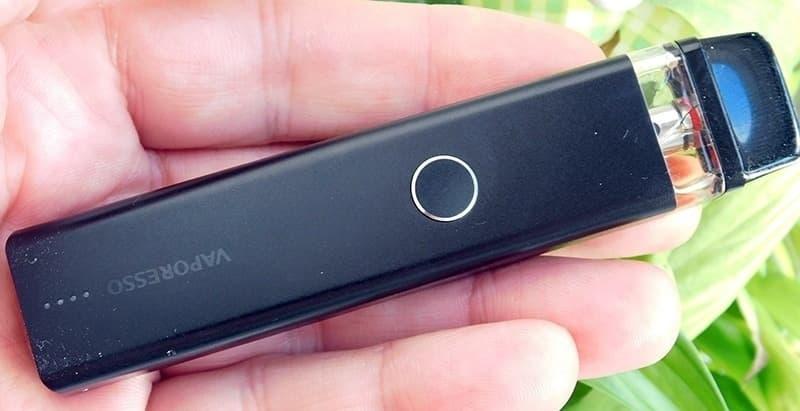
Understanding the terminology is critical for high-quality content: an Elektronske Cigarete is not a single product but a category that includes:
- Closed pod systems: sealed cartridges, simple to use, popular among beginners.
- Open systems: refillable tanks and customizable coils for experienced users.
- Disposable e-cigarettes: one-time use devices prefilled with e-liquid.
- Heat-not-burn products: devices that warm tobacco instead of burning it; often discussed separately.
Key active components
Typical e-liquids contain propylene glycol (PG), vegetable glycerin (VG), flavorings, and optionally nicotine. The aerosol generated by an Elektronske Cigarete is chemically distinct from cigarette smoke because it lacks many combustion byproducts, although it can still contain volatile organic compounds, metals, and other constituents depending on device design and user behavior.
Comparative Health Considerations: e cig vs cigarette
Comparisons between e cig vs cigarette focus on exposure to harmful constituents and resulting health outcomes. The most robust evidence to date suggests meaningful differences, but not absolutes, when it comes to risk.
Harm reduction potential
Elektronske Cigarete are often considered in the context of harm reduction for smokers. Because they do not burn tobacco, they tend to produce lower levels of certain toxicants and carcinogens found in cigarette smoke. Public health frameworks sometimes view e cig vs cigarette comparisons through a pragmatic lens: if an adult smoker completely switches to a high-quality e-cigarette, their exposure to many harmful combustion products is generally reduced.
Nicotine and addiction
Nicotine itself is addictive and can have cardiovascular and developmental effects. Both cigarettes and many e-liquids deliver nicotine, though delivery speed and peak concentrations can vary. The discussion of Elektronske Cigarete must therefore consider e cig vs cigarette not only in chemical toxicity but also in dependence potential and behavioral reinforcement.
Long-term outcomes and research gaps
Longitudinal data on e-cigarette-related disease are still developing because wide adoption is relatively recent. While acute and intermediate biological effects have been measured (e.g., respiratory inflammation markers, endothelial function), conclusive long-term epidemiological results for cancer, chronic obstructive pulmonary disease, and cardiovascular disease remain incomplete. This research uncertainty is a central reason public health guidance emphasizes caution, regulation, and age restrictions.
Exposure and Secondhand Considerations
In the debate of e cig vs cigarette, secondhand aerosol exposure is a frequent concern. The aerosol from an Elektronske Cigarete typically contains fewer and lower concentrations of many harmful compounds compared to cigarette smoke, but it is not inert. Indoor air quality guidelines and workplace policies often treat vaping differently from smoking, although evolving laws increasingly restrict indoor vaping in public spaces.
Children and pregnancy
Public health authorities universally agree: pregnant people and children should avoid nicotine exposure. The presence of appealing flavors and discrete designs has raised concerns about youth uptake; therefore, regulation of flavors, marketing, and packaging is a key policy lever in many countries.
Flavorings, Appeal, and Market Dynamics
Flavors are commercially important and crucial for user satisfaction, but they also complicate the e cig vs cigarette policy conversation because they can increase appeal to non-smokers, particularly adolescents. Responsible marketing, enforcement of age checks, and targeted cessation support are often recommended to prevent initiation while preserving access for adult smokers seeking alternatives.
Trends and product evolution
Device innovation is rapid: manufacturers refine heating elements, batteries, and e-liquid formulations to improve flavor delivery and nicotine satisfaction. As the market evolves, consumers encounter a spectrum of product quality. From a search and content perspective, this creates demand for up-to-date reviews, safety advisories, and guidance on best purchasing practices.
Practical Guidance for Smokers Considering Switching
For adult smokers evaluating Elektronske Cigarete as a potential step toward reduced harm, practical, evidence-informed steps include:
- Consult with a healthcare professional about cessation goals and nicotine replacement options.
- Choose reputable products with clear ingredient labeling and quality assurances.
- Prefer devices and e-liquids that deliver consistent nicotine levels to prevent compensatory puffing.
- Use behavioral supports, such as counseling or quitlines, alongside any product transition.
Stopping entirely vs switching
Complete cessation of all nicotine products remains the optimal health outcome. However, for smokers who have struggled with quitting, switching to a less harmful nicotine delivery system may reduce exposure to many toxicants. The balance of risk and benefit depends on individual behavior, product choice, and long-term adherence to non-combustible use.
Device Safety, Maintenance, and Best Practices
Battery safety, coil maintenance, and proper storage of e-liquids are often overlooked but critical topics. Misuse can lead to device malfunctions or accidental exposure. Recommendations include using the manufacturer’s charger, avoiding high-temperature storage, discarding damaged batteries, and keeping products out of children’s reach.
Environmental considerations
Disposal of cartridges, batteries, and e-liquid containers raises environmental questions. Responsible recycling and proper battery disposal help reduce ecological harm; some jurisdictions are implementing take-back programs for e-cigarette waste.
Regulation, Policy, and Public Health Responses
Policy responses to e cig vs cigarette vary widely: some regions adopt strict bans on flavors or certain device types, while others integrate e-cigarettes into harm reduction frameworks that prioritize adult smoker access with youth protections. Effective regulatory strategies often combine product standards, age verification systems, advertising limits, and surveillance of health outcomes.
Balancing benefits and risks
Public health agencies must weigh potential population-level benefits (smokers switching to lower-risk products) against risks (youth initiation, dual use with cigarettes). Surveillance, research funding, and iterative policy adjustments are central to achieving balanced outcomes.
Communicating About Risks: Tips for Content Creators and Health Educators
Quality content about Elektronske Cigarete and e cig vs cigarette should be accurate, audience-aware, and optimized for search without sensationalism. Use clear headings, concise summaries, and citations to reputable sources. Emphasize actionable guidance: how to find evidence-based cessation support, how to assess product safety, and when to seek medical advice.
SEO and searcher intent
When producing web content, align structure with user intent by offering:
- Quick facts for casual searchers.
- Evidence summaries and references for curious readers.
- Practical how-to steps and toolkits for those considering a switch.
Strategic placement of keywords such as Elektronske Cigarete and e cig vs cigarette within headings, meta descriptions (when applicable), and early paragraphs improves relevance signals to search engines while serving readers.
Frequently Reported Myths and Misconceptions
- Myth: E-cigarettes are completely harmless. Reality: They are less harmful than combusted tobacco in some respects but are not risk-free.
- Myth: Switching always leads to quitting nicotine. Reality: Some users remain dependent on nicotine via non-combustible products.
- Myth: Flavor bans eliminate all risks. Reality: Policy tools have trade-offs and must be coupled with cessation support.
How to evaluate scientific claims
Evaluate studies based on sample size, funding sources, exposure measures, and whether outcomes are clinical (disease incidence) or surrogate (biomarkers). Reviews and meta-analyses often provide the most reliable synthesis of emerging evidence.

In short, while Elektronske Cigarete present a potentially lower-risk alternative to combustible cigarettes for some adult smokers, they are not risk-free and are not intended for youth, pregnant people, or never-smokers.
Practical checklist for individuals
- Assess your goals: quitting nicotine vs reducing harm.
- Consult a healthcare professional for personalized advice.
- Choose reputable products, check ingredients, and follow safety instructions.
- Monitor health changes and seek medical attention for concerning symptoms.
SEO best practices reminder for web publishers
To support discoverability and user trust, web pages covering topics like Elektronske Cigarete and e cig vs cigarette should include authoritative references, structured headings, descriptive alt-text for images, and clear calls-to-action guiding readers to evidence-based resources or cessation services.
Finally, when tailoring content to different audiences, keep the balance between technical accuracy and readability—present key takeaways upfront, expand into detail for interested readers, and include signposts to support services.
Conclusion
Choosing between an Elektronske Cigarete and a conventional cigarette is not simply a product decision; it’s a public health, clinical, and behavioral one. For adult smokers who cannot quit through established methods, switching to a regulated, high-quality e-cigarette may reduce exposure to many combustion-related toxicants. Still, because nicotine is not harmless and because long-term data are still emerging, informed choices, regulatory oversight, and ongoing research are essential to minimize harms and maximize benefits.
FAQ
- Are Elektronske Cigarete safer than regular cigarettes?
- Current evidence suggests many e-cigarette products expose users to fewer harmful combustion products than cigarettes, but they are not without risk; absolute safety is not established and long-term effects are still being studied.
- Can e-cigarettes help someone quit smoking?
- Some smokers have successfully used regulated e-cigarettes as a tool to reduce or stop smoking, often when combined with behavioral support. However, results vary and healthcare guidance is recommended.
- Is secondhand vapor harmful?
- Secondhand aerosol typically contains lower concentrations of toxins compared to cigarette smoke but it can contain nicotine and other compounds; minimizing involuntary exposure, especially for children and pregnant people, is prudent.
Keywords deployed throughout this article include Elektronske Cigarete and e cig vs cigarette to aid search relevance while maintaining natural, reader-focused language and evidence-based nuance for anyone exploring alternatives to smoking or creating informative web content on the subject.