Smart shopping for IBvape e-papierosy: a practical overview for cautious buyers
If you are exploring personal vapor products, this in-depth resource focuses on evaluating devices commonly associated with the IBvape e-papierosy scene while also providing clear, safe, and beginner-friendly instructions on how to make e cigarette liquid at home. The goal of this guide is to combine purchase considerations and simple do-it-yourself mixing principles so you can make informed buying choices and learn the fundamentals of e-liquid preparation. Throughout this guide you will see targeted mentions of IBvape e-papierosy and how to make e cigarette liquid at home nested in strategic SEO tags to help both readers and search engines identify relevance and structure.
Why focus on brand-related choices and DIY basics?
Many newcomers approach the market with two parallel questions: “Which device should I buy?” and “Can I safely prepare my own e-liquid?” These are connected: the chosen hardware influences the preferred nicotine level, viscosity (PG/VG ratio), and flavor intensity in your mixes. Discussing both topics together lets you match hardware to liquid characteristics: a high-wattage sub-ohm kit will require different e-liquid attributes than a low-power pod system such as many products categorized under the IBvape e-papierosy umbrella.
Key shopping categories to consider
- Device type: pod systems, closed pods, refillable pods, starter kits, and advanced mods. For discretion and ease-of-use, many beginners prefer compact kits and pods branded in the IBvape ecosystem.
- Battery and charging: integrated batteries vs replaceable 18650/21700 cells. Check the charging protocol (USB-C is preferred today) and safety features such as overcharge protection.
- Coil and airflow options: variable airflow controls, coil resistance range, and coil compatibility. Devices that accept a wide range of coil resistances allow you to experiment with both airy and restricted draws.
- Materials and build quality: stainless steel, zinc alloy, PCTG, and glass. Ceramics for pod coils can influence flavor purity.
- Price and warranty: evaluate the value proposition; many reputable sellers offer limited warranties or return windows.
Essential specifications and how they link to homemade e-liquid
Understanding device specs helps when deciding on your e-liquid recipe. For example, low-wattage IBvape e-papierosy kits and mouth-to-lung (MTL) devices usually perform best with higher nic-salt formulations and thinner liquids (higher PG). Conversely, sub-ohm devices benefit from thicker mixes (higher VG) and freebase nicotine at lower concentrations. Learning how to make e cigarette liquid at home requires a clear grasp of these relationships so that your final product suits your hardware.
Key liquid components explained
- Vegetable Glycerin (VG): thick, produces vapor, smooth throat, dilutes flavor intensity.
- Propylene Glycol (PG): thinner, carries flavor well, produces a stronger throat hit.
- Nicotine: available as freebase or salts; nicotine salts deliver nicotine more smoothly at higher concentrations and are common in low-power pod devices.
- Flavor concentrates: concentrated, often food-grade; use in small percentages.
- Distilled water or ethanol (optional): used sparingly to thin very viscous mixtures.
How to match device and e-liquid metrics
When shopping for an IBvape e-papierosy style product, look for suggested liquid viscosities on the box or product page. Makers often publish recommended PG/VG ratios and suitable nicotine types. If you plan to practice how to make e cigarette liquid at home, note these recommendations and keep sample tests to small volumes (10-30 mL) before committing to a larger batch.
Beginner-friendly liquid profiles
- MTL pod devices: 50/50 (PG/VG) or 60/40, nicotine salt 20-50 mg/mL depending on prior smoking habits.
- Lower-power sub-ohm: 60/40 to 70/30 VG/PG, freebase nicotine 3-6 mg/mL.
- High-power cloud devices: 70/30 to 80/20 VG/PG, freebase nicotine 0-6 mg/mL.
Practical guide: tools and safety for making e-liquid at home
An easy, safe start for learning how to make e cigarette liquid at home requires basic tools and strict safety habits. Assemble a small kit: graduated syringes or pipettes for accurate measurement, graduated mixing beakers, nitrile gloves, eye protection, airtight bottles with child-resistant caps, labels, and a digital scale (accuracy to 0.01 g for advanced mixing). Work in a well-ventilated area and keep all nicotine-containing materials out of reach of children and pets.
Safety checklist
- Always wear gloves when handling nicotine concentrate.
- Measure nicotine carefully—errors can cause harmful concentrations.
- Store ingredients in labeled, sealed containers.
- Use food-grade flavors and medical-grade PG/VG.
- Keep a bottle of water nearby in case of skin contact, and know basic first-aid for nicotine exposure.
Simple calculation methods and recipes for novices
Start by deciding on the final volume (e.g., 100 mL), desired nicotine strength (e.g., 3 mg/mL freebase or 25 mg/mL nicotine salt), and VG/PG ratio. Use a step-by-step calculation or an online mixing calculator; however, understanding the math is invaluable. Example: to make 100 mL of 3 mg/mL using a 100 mg/mL nicotine base, you need 3 mL of nicotine base (100 mg/mL base x volume = final nicotine strength x final volume). The remaining volume is allocated to VG, PG, and flavor concentrates. For a 70/30 VG/PG mix with 10% flavoring: nicotine base and flavor total about 13 mL; the rest is VG/PG per ratio.
Beginner recipe (100 mL, sub-ohm friendly)
Ingredients: 100 mg/mL freebase nicotine (3 mL), VG (63 mL), PG (24 mL), flavor concentrates total 10 mL. Steps: measure components precisely, mix in a clean bottle, shake vigorously, steep if necessary, then test at low power.
Step-by-step DIY mixing workflow
- Plan final volume, nicotine strength, and VG/PG ratio.
- Gather PPE (gloves, goggles), measuring tools, and a clean workspace.
- Measure nicotine first into the bottle; add PG-based flavor concentrates next because they dissolve better in PG.
- Add PG and then VG to reach target volumes; VG is viscous so pour carefully.
- Cap and shake vigorously for several minutes; let rest to allow microbubbles to escape.
- Label with formulation details and date; store in a cool, dark place.
Troubleshooting common DIY issues
Many beginners encounter weak flavor, harsh throat hit, or inadequate vapor. Weak flavor often means too much VG or too low flavor concentrate percentage; consider increasing flavor by 0.5-1% increments. A harsh throat hit can be caused by high nicotine concentration or a high PG ratio; consider a lower nicotine strength or higher VG. Cloud performance is tied to VG level and coil/airflow settings on your device. If using IBvape e-papierosy style pods with small wicking ports, avoid highly viscous (very high VG) liquids that can choke the wick.
Flavor selection and steeping tips
Start with single-flavor trials before mixing complex layered recipes. Tobacco, menthol, and simple fruit blends are good starting points. Steeping (ageing) can harmonize flavors: warm-steep by placing bottles in a closed container in warm water for short periods or cold-steep by resting for days to weeks. Always test a small aliquot periodically.
Notes on nicotine types
Nicotine salts vs freebase: salts are smoother at higher strengths and ideal for low-wattage devices and pod systems often grouped with IBvape e-papierosy offerings. Freebase nicotine tastes sharper at higher strengths but suits sub-ohm setups where nicotine levels are lower.
Legal, health, and regulatory considerations
Before making e-liquid at home check local regulations on nicotine handling, sale, and use. Many jurisdictions restrict nicotine concentrations or require child-resistant packaging for retail. From a health perspective, homemade e-liquids lack the manufacturing oversight of commercial labs; extra diligence on ingredient sourcing, labeling, and storage is essential. Never sell homemade nicotine liquids without meeting applicable legal and safety requirements.
Maintenance tips to extend device life
- Prime coils properly and observe recommended wattage ranges.
- Clean tank components regularly with warm water and dry thoroughly.
- Replace coils when flavor declines or you experience burnt taste.
- Match liquid viscosity to the wicking design of your chosen IBvape e-papierosy device to prevent dry hits or flooding.
Shopping checklist before purchase
When evaluating a new device or accessory, inspect the following: clear specification sheet, coil availability and pricing, warranty, customer reviews, and replacement part availability. Consider whether you plan to experiment with DIY liquids; if so, pick hardware that is tolerant of a range of VG/PG ratios and has easily replaceable coils.
Quick-start plan for a beginner who wants to both buy and DIY
- Choose a simple, reputable pod kit for your initial purchase—preferably one compatible with nicotine salts if you are a former smoker.
- Buy small quantities of nicotine base (or pre-diluted bases) and a selection of flavor concentrates to experiment with tiny 10-20 mL batches.
- Master measuring and labeling with syringes and a small scale before scaling up.
- Document every trial mix and device settings so you can replicate successful outcomes.
How to evaluate online sellers of hardware and ingredients
Look for vendors with transparent ingredient sourcing, clear MSDS for nicotine, responsive customer service, and verified customer reviews. Branded ecosystems including IBvape e-papierosy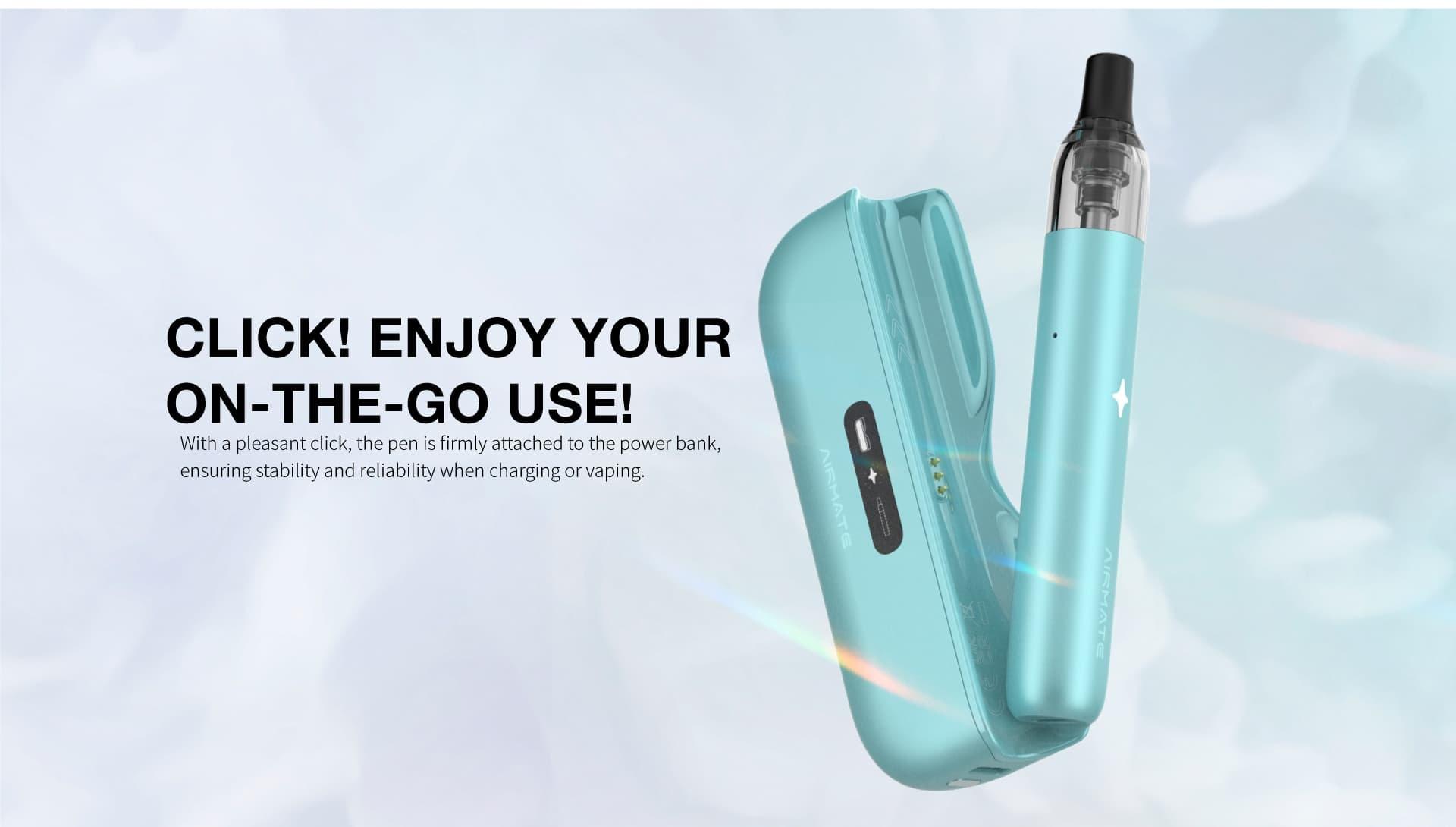 style accessories should provide visible specs for coil resistances, recommended liquid ratios, and maintenance guidelines.
Shipping and storage tips for purchased ingredients
Keep nicotine in sealed amber bottles stored in a cool, dark location. During shipping, choose vendors who use insured and adult-signed delivery services for nicotine. Propylene glycol and vegetable glycerin are shelf-stable but keep them sealed to prevent contamination.
Advanced notes for hobbyists
After mastering basic recipes and hardware matching, explore more advanced topics: dilution curves, multi-note flavor balancing, temperature-controlled coils, and custom coil builds. Always respect safety when working with concentrated nicotine or advanced electrical devices.

Concluding guidance
Whether your priority is to find a dependable, easy-to-use device or to acquire the skills necessary to create custom e-liquids, this combined approach will accelerate your learning curve. Keep the following core principles in mind: safety first, start small, document recipes, and match liquid attributes to device specifications. Strategic use of brand-aligned device information—such as product lines related to IBvape e-papierosy—paired with careful practice of how to make e cigarette liquid at home will help you design a satisfying, tailored vaping experience.
Additional learning resources
Seek tutorials from reputable manufacturers, community mixology forums with strong moderation, and downloadable mixing calculators. Practice safe experimentation and be patient with steeping and device break-in times.
FAQ
Q: Is it safe for beginners to mix nicotine at home?
A: It can be safe when following strict protective measures: use nitrile gloves, accurate measuring tools, work in a ventilated area, and store nicotine securely. Beginners should start with low concentrations and small test batches.
Q: Which nicotine type should a former smoker choose?
A: If you want higher nicotine satisfaction with a smooth throat hit, nicotine salts in a pod system are often recommended. Freebase nicotine is preferable for sub-ohm setups at lower concentrations.
Q: How long should I steep my first mixes?
A: Simple fruity mixes may be enjoyable within 24-72 hours, while creams and tobaccos may improve over 1-4 weeks. Warm-steeping can accelerate the process, but test periodically.
By following this structured advice and respecting safety and legal constraints, you can confidently shop for suitable devices and gradually master the fundamentals of how to make e cigarette liquid at home , aligning your DIY results with the capabilities of devices similar to the IBvape e-papierosy family.