2025 buying and review primer for modern vape users
This comprehensive guide walks you through everything a careful buyer should know about the latest generation of compact devices and pod systems, with a focus on two recurring themes: portability and safety. Whether you’re researching e-sigara models or investigating the way electronic cigarette relx devices have pushed flavor fidelity forward, this article gives practical buying advice, hands-on review criteria, and long-term maintenance tips that help you choose a device that fits your daily routine.
Why portability matters in 2025
The market trend in 2025 favors devices that combine advanced vapor chemistry with lightweight, pocket-ready designs. Portability means more than size — it encompasses battery life, refill convenience, leak resistance, and how pleasantly a device carries flavors over time. If you prioritize travel-friendly hardware, pay attention to factors such as rapid USB-C charging, secure magnetic pod alignment, and a replacement pod ecosystem that keeps costs manageable.
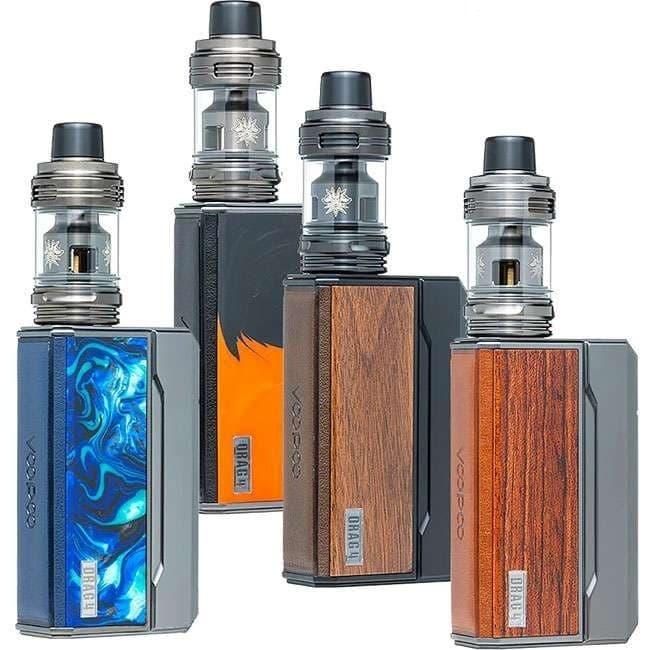
Flavor evolution and the role of coil and pod design
The flavor performance you experience depends on multiple design choices: the wicking material, airflow geometry, and the pod’s internal chamber size. Devices branded as e-sigara often aim for balanced MTL (mouth-to-lung) experiences, while some electronic cigarette relx systems continue to iterate on thin-film heating and salt-nicotine formulations to preserve delicate flavor notes at lower wattages. When evaluating a product, review how flavor changes from the first puff to the last puff in a single pod, and watch for user reports about coil “break-in” behavior — a brief initial period where sweetness stabilizes.
Key hardware features to inspect
- Battery chemistry — prefer devices with quality lithium-ion cells and built-in safety protections (overcharge, short-circuit, thermal throttling).
- Pod sealing — look for silicone gaskets and top-fill ports that minimize leakage.
- Airflow control — adjustable airflow allows you to tune draw resistance for either DTG (direct-to-lung) or MTL style.
- Charging — USB-C fast-charge capability is now standard on premium kits; lower-end devices may still use micro-USB.
- Materials — PCTG and food-grade plastics are common for transparent pods; metal chassis improve heat dissipation.
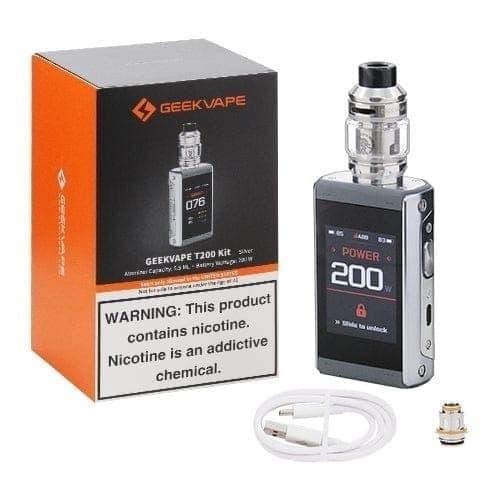
For buyers who seek a durable daily driver, compare the manufacturer’s stated pod cycles and estimated puffs per pod. Many modern pods provide 300–800 puffs depending on e-liquid viscosity and nicotine concentration; devices claiming 1000+ puffs typically pair with coil-free or mesh-sheet heating solutions.
Safety expectations and compliance
Additionally, nicotine concentrations and legal restrictions vary by region. Ensure your purchase complies with local regulations; many jurisdictions restrict bottle sizes, maximum nicotine strengths, and flavor types.
Choosing the right nicotine and e-liquid format
Nicotine salts remain the popular choice for pod systems because they deliver satisfying throat hit at lower power. Freebase nicotine is still used for sub-ohm devices that target dense vapor production. If you’re evaluating e-sigara and electronic cigarette relx products, check the manufacturer’s compatibility list: using e-liquids with the wrong viscosity can reduce flavor fidelity, increase spitback, or shorten pod life.
Taste categories to consider
- Fruity and citrus blends — bright, often with a slightly sharper throat feel.
- Menthol and cooling — provide freshness, some brands blend herbal notes.
- Tobacco and dessert — crafted to mimic traditional tobacco profiles or sweet treats with layered flavor engineering.
High-quality manufacturers publish ingredient lists and flavor concentration data. If transparency matters to you, prioritize brands that publish Certificates of Analysis (CoA) for their nicotine salts and base liquids.
Comparing popular form factors
The industry has converged on a few clear form factors: closed pod systems, refillable pods, and modular pod kits with replaceable coils. Closed systems offer simplicity and consistency; refillable pods provide flexibility and lower long-term costs. Modular kits strike a balance but require more user involvement in coil maintenance.
Tip: If you travel frequently, closed pod systems with strong leak protection and robust nicotine salt formulations can reduce packing friction. For hobbyists who chase flavor, refillable pods with mesh coils and adjustable airflow are a better match.
Longevity, maintenance, and cost of ownership
Measuring total cost of ownership includes device durability, pod price, and how often you need to replace consumables. A starter kit may seem cheap, but recurring pod costs often dominate the lifetime expense. Compare cost-per-puff calculators and read community feedback on pod longevity under real-world usage. Routine maintenance, such as cleaning contacts, checking gasket integrity, and drying pods between refills, can extend life significantly.
Environmental and recycling considerations
Disposable pods generate waste; some manufacturers run recycling programs or provide mail-back schemes for used pods and batteries. If sustainability is important, research whether your vendor participates in battery recycling and whether pods are made from recyclable plastics. Reducing single-use purchases and choosing high-quality, repairable devices can lower environmental impact over time.
Real-world performance indicators
When scanning reviews and user forums, weigh these performance indicators:
- Flavor consistency across the pod life cycle
- Battery longevity over months (not just initial charge)
- Build quality and ergonomic comfort
- Support for replacement parts and official accessories
- Manufacturer responsiveness to firmware updates or recalls
Look for review sources that provide repeatable test methodologies: consistent draw rates, ambient temperature reporting, and standardized pod refill protocols. That helps compare apples to apples.
Buying advice: where and how to buy
Buy from authorized retailers or the manufacturer’s store to ensure warranty coverage and authenticity. Avoid suspiciously low-priced packages from unverified sellers; counterfeit pods and chargers can pose safety risks. If you buy online, check return policies and warranty terms. When purchasing in-person, inspect the packaging for tamper-evident seals and clear labeling of nicotine strength and ingredients.
Brand highlights and feature comparisons
Several manufacturers have emerged as consistent performers in 2025, focusing on flavor clarity and user safety. While not an exhaustive ranking, note that high-performing devices typically share these attributes: transparent labelling, robust customer support, well-documented safety testing, and an active replacement part supply chain. e-sigara devices often emphasize balanced MTL draws and ergonomic designs, while many electronic cigarette relx iterations highlight thin-film heating and pod airflow tuning that preserves volatile flavor compounds.
How to read specification sheets
Specification sheets can be misleading without context. Pay attention to:
- Actual battery capacity (mAh), not just theoretical puff counts
- Pod capacity in milliliters and recommended e-liquid viscosity
- Material callouts (medical-grade silicone, PCTG, stainless steel)
- Certification labels and available safety reports
Prefer devices that clearly state their testing protocols or provide links to third-party lab results. Manufacturers that avoid granular detail may still offer solid products, but thorough documentation signals accountability and quality control.
Common troubleshooting tips
Simple problems often have simple fixes: poor vapor production can be caused by low battery charge or an improperly seated pod; burnt taste typically indicates the pod needs replacement or the coil has overheated due to chain vaping; leaks usually stem from damaged gaskets or overfilling. Always consult the user manual for disassembly and reassembly instructions to avoid voiding warranties.
Legal landscape and age-restriction compliance
Age verification processes vary by country. Reputable retailers and online stores will require ID verification where mandated, and many brands implement stricter controls on flavored products. Stay informed about regional restrictions before purchasing across borders.
Specialty considerations: medical concerns and nicotine dosing
If you have respiratory conditions or cardiovascular concerns, consult a healthcare professional before using nicotine products. Nicotine remains an addictive substance; responsible dosing, gradual reduction strategies, and awareness of tolerance are important for long-term health outcomes. Many users prefer lower-nicotine blends as they transition away from higher concentrations.
Summary checklist before purchase
Before you add any kit to your cart, verify this checklist:
- Does the device offer clear safety certifications and protection features?
- Are replacement pods and coils readily available and reasonably priced?
- Does the flavor profile match your preferences (menthol, dessert, tobacco, fruit)?
- Is battery life sufficient for your typical usage pattern?
- Are there transparent return and warranty policies?
Following this checklist reduces surprises and helps keep costs predictable.
Why user education still matters
Even with smart safety features, user behavior determines real-world risk. Proper charging habits, avoiding damage to the battery, not mixing incompatible parts, and choosing appropriate nicotine strength are all essential. Invest a few minutes to understand device operation and never ignore unusual heat, swelling, or odors from a battery or pod.
Final thoughts and a concise buying formula
In practice, a good buying formula balances flavor fidelity, portability, and safety. If flavor is your priority, test devices known for mesh-heating or advanced thin-film elements and read user reports on end-of-pod flavor retention. If safety and convenience are crucial, closed-system pods with comprehensive lab testing and a reliable supply chain are better choices. For many users, the ideal compromise is a mid-tier refillable pod kit with replaceable mesh coils, excellent sealing, and a familiar brand reputation — which is why both e-sigara and electronic cigarette relx style products remain popular in 2025.
Quick purchase decision flow
- Decide priority: flavor vs convenience vs cost.
- Check safety documentation and warranty.
- Ensure local compliance and availability of replacement parts.
- Purchase from authorized channels and test a single kit before committing to a stash of pods.
Making an informed purchase reduces waste, saves money, and improves satisfaction with your device choice.
Note: This guide focuses on consumer education and product features; it is not medical advice. If you have health questions, consult a professional.
FAQ
- Q: How long should a pod last under normal use? A: Expect 2–3 weeks for light users and 3–7 days for heavy users, depending on e-liquid type and nicotine concentration.
- Q: Are mesh coils always better for flavor? A: Mesh heating often produces more even heat distribution and improved flavor consistency, but compatibility with your device and e-liquid viscosity matters.
- Q: Can I use homemade e-liquid in a closed-system pod device? A: Closed systems are usually not designed for refill; using non-approved liquids can void warranties and cause damage. Refillable pod systems are better suited to custom liquids.
Whether you are exploring e-sigara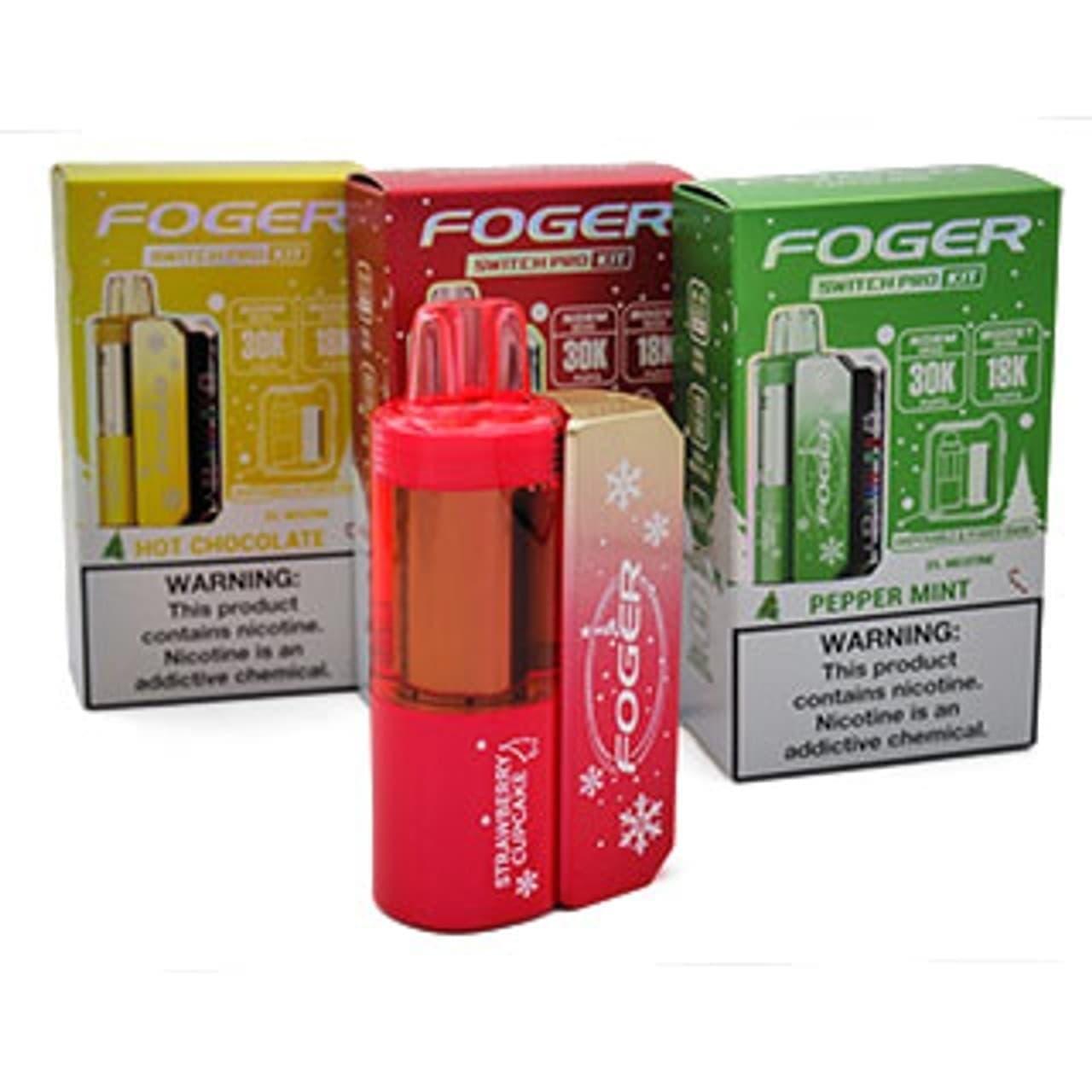 alternatives or comparing specific electronic cigarette relx models, use the guidance above to prioritize safety, reliable sourcing, and flavor longevity. A careful, informed buyer will get the best balance of portability, taste, and value from the diverse options available in 2025.