Understanding modern vaping: trends, evidence and what families need to know about e papierosy and e cigarette risks
This extensive guide synthesizes expert commentary, public health research, clinical observations and practical advice to help users, parents, caregivers and community leaders navigate the evolving landscape of e papierosy use and the associated e cigarette risks. It is written to be practical, evidence-informed and SEO-friendly while avoiding sensational language. The aim is to balance harm reduction perspectives with clear explanations about short- and long-term concerns.
Key modern trends experts are tracking
Public health experts, epidemiologists and clinicians highlight several important trajectories when discussing the rise and transformation of vaping products. Below we outline the major trends, with commentary on implications for health and family life.
1. Product diversification and market dynamics
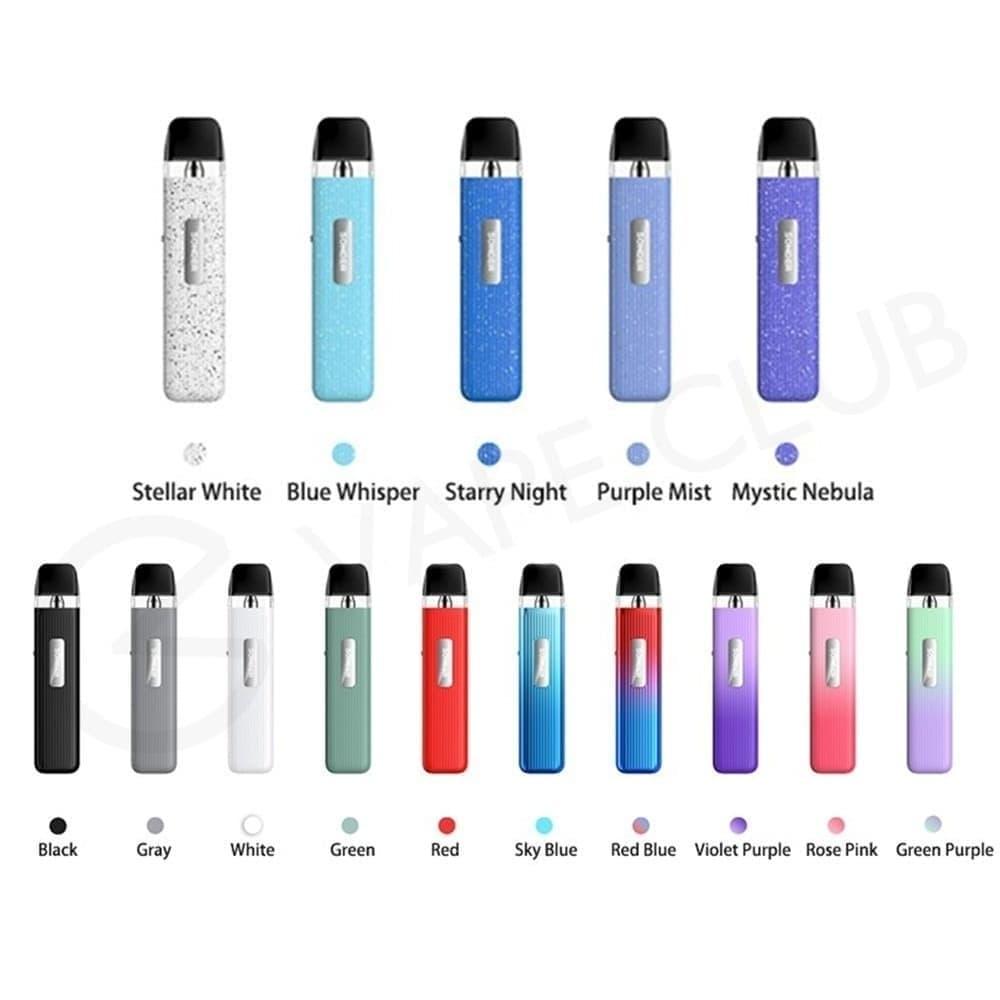
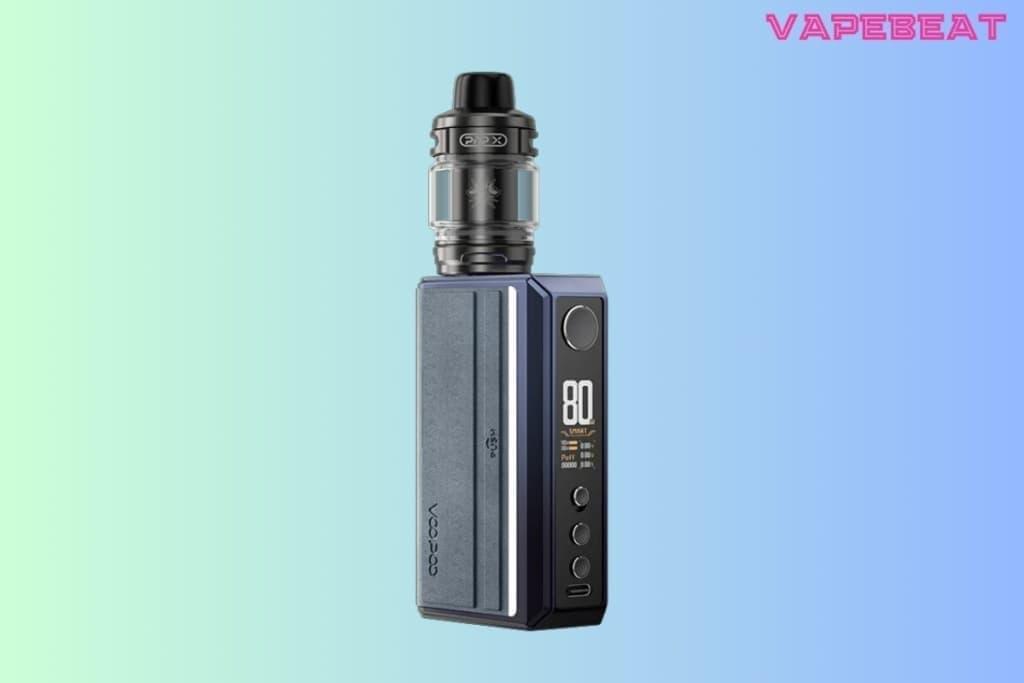
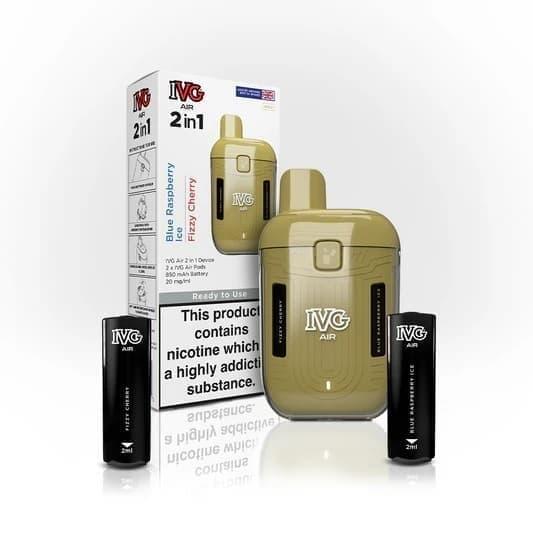
Today’s global market contains a wide array of devices and formulations: single-use disposables, pod systems, refillable tanks, and novel hardware with variable power and temperature control. The term e papierosy can refer to many form factors; consequently, the profile of e cigarette risks changes by product type. Disposable flavored units often appeal to young people, while larger mod devices are more common among experienced adult users. Experts warn that as devices diversify, individual risk profiles also diverge.
2. Nicotine concentrations and delivery efficiency
Modern nicotine salts and optimized coil designs deliver nicotine to the bloodstream more rapidly and smoothly than older e-liquids. Faster delivery increases the potential for dependence. Clinicians report that some users who transition from combustible cigarettes to vaping unintentionally sustain high nicotine exposure because of the efficiency of contemporary systems. The phrase e cigarette risks encapsulates not just respiratory concerns but dependence-related outcomes.
3. Youth initiation and social patterns
Youth uptake remains a top concern. Patterns of experimentation, social sharing, and covert use in school settings expand exposure beyond the primary user. Educational and prevention specialists emphasize that family conversations need to adapt to address peer influence, social media normalization, and the role of flavors in initial adoption. Preventive efforts focus on reducing initiation while providing accurate cessation pathways for those already using e papierosy.
4. Policy and regulatory shifts
Regulatory measures are rapidly evolving. Nations and local jurisdictions adjust restrictions on flavors, marketing, product standards and age-of-sale laws. Experts note that patchwork regulation can create unintended consequences such as black-market products or cross-border purchases, which may increase certain e cigarette risks including exposure to adulterated liquids. The policy trajectory is towards stricter manufacturing standards, clearer labeling and limitations on youth-targeted promotion.
What the evidence says about health and safety
Clinical and laboratory research continues. Below is a synthesis of current knowledge, focused on what matters for users and families.
Respiratory effects
Acute effects: Many users report immediate respiratory symptoms such as throat irritation, cough or shortness of breath after using some products, especially high-power devices or poorly formulated liquids. Cases of acute lung injury associated with vaping have been documented, often linked to contaminants or illicit additives. Chronic effects: Long-term respiratory consequences are still under study; however, experts caution that inhaling aerosolized humectants, flavoring agents and breakdown products over years is unlikely to be benign. While switching from combustible cigarettes to e papierosy may reduce exposure to some toxicants, it is not risk-free.
Cardiovascular and systemic effects
Nicotine exposure affects heart rate, blood pressure and vascular function. Repeated acute exposure can stress the cardiovascular system and may exacerbate pre-existing conditions. Emerging evidence suggests potential long-term cardiovascular risks from chronic use, though quantifying absolute risk relative to sustained smoking requires more longitudinal studies.
Neurodevelopmental considerations
For adolescents and young adults, nicotine can harm developing brain circuits that govern learning, mood and impulse control. Pediatric experts stress that even intermittent vaping can influence cognitive and emotional development. Parents should treat nicotine-containing e papierosy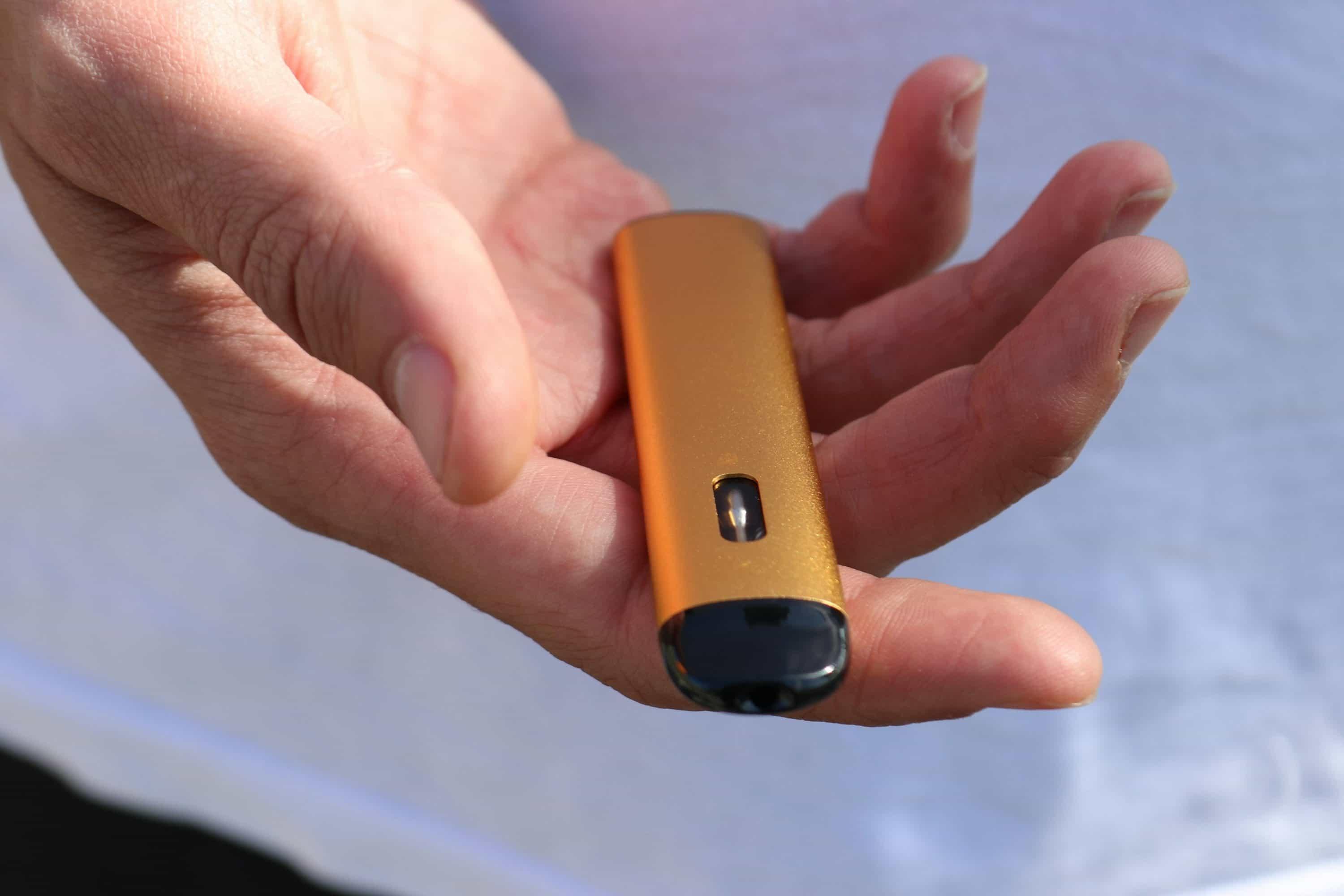 like any other substance that carries developmental risk.
Poisoning, ingestion and burns
Accidental ingestion of concentrated e-liquids, especially by young children, can cause nicotine poisoning. Device malfunctions and battery failures have also produced burns and fires in rare but serious incidents. These tangible physical risks are part of the broader e cigarette risks conversation.
Harm reduction: nuanced perspectives
Public health authorities often balance the potential for harm reduction among adult smokers with the imperative to prevent youth initiation. Below are expert-aligned approaches that families and clinicians can consider.
- For adult smokers: Transitioning to low-risk nicotine delivery is a pragmatic strategy when complete cessation is not immediately achievable. Medical supervision, access to approved cessation tools and counseling can improve outcomes.
- For youth and never-smokers: Experts recommend prevention and prompt cessation because the risks of addiction and developmental harm outweigh potential benefits.
- Device choice and fidelity: When used as a cessation aid, evidence favors product choice that minimizes harmful constituents and matches the smoker’s nicotine needs, ideally under clinical guidance.
Family-level implications and communication strategies
Families play a critical role in prevention, recognition and support. Below are evidence-informed communication and safety strategies that experts encourage.
Open, nonjudgmental dialogue
Start conversations early and focus on values, health goals and practical concerns rather than punishment. Adolescents are more receptive to information framed around autonomy, short-term effects and performance impacts (sports, sleep, concentration) than abstract long-term risks. Use clear language: explain what e papierosy are, highlight the concept of e cigarette risks, and avoid myths or exaggeration.
Practical safety measures
Store devices and refills securely out of children’s reach, dispose of e-liquids safely, and monitor devices for damage. Be aware of signs of nicotine poisoning (nausea, vomiting, dizziness, excessive salivation in young children) and seek immediate care if ingestion is suspected.
Support for quitting
Families can support cessation by helping users access evidence-based resources: behavioral counseling, FDA-approved nicotine replacement therapies (patches, gum, lozenges) and, where appropriate, clinician-guided use of vaping products as a step-down tool. Experts emphasize that a combined approach—medication plus behavioral support—produces the best outcomes.
Environmental and secondhand exposure considerations
While aerosols from e papierosy generally contain fewer combustion byproducts than cigarette smoke, they still release fine particles, nicotine and volatile organic compounds. Indoor vaping can expose bystanders, including children and pregnant people, to constituents that may be harmful. Many public health agencies recommend maintaining vape-free environments indoors and in vehicles to protect vulnerable individuals.
Quality control and product safety
One of the clearest determinants of e cigarette risks is product quality. Experts urge consumers to favor products from reputable manufacturers, adhere to local regulations, and avoid illicit or modified devices. Key safety tips include using correct chargers, replacing damaged batteries, and following manufacturer guidance to reduce fire risks. Laboratory testing of liquids and devices improves consumer protection when available.
Clinical approaches: screening and treatment
Healthcare providers are encouraged to routinely ask about vaping during clinical visits, using neutral language to improve disclosure. Screening should include questions about device type, nicotine concentration, frequency of use and context (social use, coping with stress). Treatment pathways include setting quit dates, offering pharmacotherapy, connecting to behavioral interventions and follow-up monitoring. For adolescent patients, involve guardians and consider specialized youth cessation programs.
Community and school-based interventions
Experts recommend multi-component programs that combine policy, education, parental engagement and youth leadership. Successful interventions are data-driven, adaptable and include clear messaging about both short-term harms (performance, addiction) and longer-term uncertainties. Schools that implement consistent enforcement, provide supportive cessation options and engage families see better outcomes at reducing experimentation.
Research gaps and what to watch for
Several knowledge gaps remain: long-term health trajectories for chronic vapers, population-level effects of regulatory changes, interactions between vaping and respiratory infections, and impacts of new formulations or hardware innovations. Experts urge continued high-quality longitudinal studies, transparent industry practices and improved surveillance to capture emerging trends in e papierosy use and evolving e cigarette risks.
Practical checklist for families and users
- Educate yourself about device types and nicotine concentrations; do not assume all products are equivalent.
- Store liquids and devices safely away from children and pets.
- Discuss vaping openly with young people; focus on immediate harms and autonomy.
- Seek medical advice for cessation support rather than relying solely on anecdote.
- Avoid illicit or modified products; favor regulated sources where available.
- Maintain vape-free shared spaces to reduce secondhand exposure.
Balancing perspectives: harm reduction versus prevention
Experts often balance two priorities: reducing harm for current adult smokers and preventing initiation among youth. Neither priority should be neglected. Pragmatic, proportionate policies that restrict youth-targeted marketing while enabling regulated adult access to less harmful alternatives reflect a nuanced public health stance. Families should be aware of these tensions and align their household rules and conversations accordingly.
Messaging that works
Clear, nonjudgmental messages that explain risks, describe what is known and unknown, and provide practical steps to reduce harm resonate more than alarmist claims. Emphasize the central idea: e papierosy are not harmless, and e cigarette risks vary by age, product and pattern of use.
Resources and support networks
Many national and local health agencies offer up-to-date guidance, including cessation hotlines, educational materials and clinic referrals. Clinicians can refer users to behavioral counseling, quitlines and digital cessation tools. Schools and community centers often provide prevention programs tailored for youth and families.
Concluding synthesis for parents, users and caregivers
The evidence and expert consensus suggest a series of practical conclusions: 1) recognize that e papierosy pose real but variable harms; 2) prioritize prevention of youth initiation and developmental exposure; 3) use harm reduction thoughtfully for adult smokers under clinical guidance; 4) reduce household risks through safe storage, open communication and avoidance of indoor vaping; 5) monitor regulatory developments and product quality as indicators of evolving e cigarette risks. Families should combine empathy, accurate information and practical safeguards to navigate this complex landscape.
Final recommendations
- Normalize conversations about vaping as part of general health education rather than stigmatizing users.
- Encourage evidence-based cessation support for those seeking to quit.
- Keep up to date with local regulations and product recalls.
- Protect children and pregnant people from exposure by maintaining vape-free environments.
Collectively, these measures reflect a pragmatic approach rooted in current science and expert opinion: reduce immediate harms where feasible, vigorously protect developing brains and bodies, and support those who choose to quit. The landscape will continue to shift, and staying informed is one of the most effective tools families have to reduce e cigarette risks and to make safe, informed choices about e papierosy.
FAQ
Q: Are e papierosy safer than traditional cigarettes?
A: Evidence indicates that switching completely from combustible cigarettes to vaping may reduce exposure to some toxic compounds, but it is not risk-free. Safer does not mean safe, and nicotine dependence and inhalation of aerosol constituents remain concerns.
Q: How should parents talk to teens about vaping?
A: Use open, nonpunitive conversations focused on short-term effects (sports, sleep, school performance) and autonomy. Avoid scare tactics, and provide clear steps for help if the teen wants to quit.
Q: What should I do if my child ingests e-liquid?
A: Seek immediate medical attention or call your local poison control center. Nicotine ingestion can be dangerous, especially for young children.
Q: Can e papierosy be a quitting tool?
A: For some adult smokers, switching to regulated vaping products under medical guidance can be part of a cessation strategy; combining behavioral support and approved pharmacotherapies often improves success rates.
Experts emphasize vigilance, compassion and evidence-based practices when addressing the evolving patterns of vaping use; families informed by current science are best positioned to reduce harms and support healthy choices regarding e papierosy and to mitigate long-term e cigarette risks.