IBvape obchod practical guide and evidence-based perspective
This long-form resource is designed to help curious shoppers and health-minded consumers understand whether are electronic cigarettes bad for your health and how to shop wisely at stores like IBvape obchod. We focus on balanced, cited reasoning, actionable buying tips, safety guidance, and consumer-rights information so you can make decisions that fit your goals. The guide blends public health evidence, product-level details, and practical purchasing strategies to support both new and experienced vapers.
Evidence summary: what research tells us about harms and relative risks
Research into vaping has accelerated over the past decade. Large reviews from authoritative health bodies show that aerosol from electronic nicotine delivery systems (ENDS) contains fewer toxicants than cigarette smoke, but is not inert. In practice the answer to are electronic cigarettes bad for your health depends on context: who uses them, what products are used, and for what purpose. Public health agencies often emphasize two competing messages: ENDS are likely less harmful than combustible cigarettes for smokers who completely switch, yet they are not risk-free and can pose concerns for youth, pregnant people, and non-smokers.
Key findings from systematic research
- Reduced exposure: Many studies document lower levels of known carcinogens and combustion products in vapers compared with smokers.
- Respiratory effects: Short-term irritation, cough, and bronchial reactivity have been reported; long-term respiratory outcomes remain under study.
- Cardiovascular signals: Acute changes in heart rate and blood pressure can occur after nicotine inhalation; chronic cardiovascular risk is still being evaluated.
- Nicotine dependence: Nicotine-containing e-liquids maintain or create dependence, which is a behavioral and public health concern.
- Youth uptake: Strong evidence shows flavored products attract adolescents, which is a major policy and clinical worry.
Translating evidence into personal risk
For an adult smoker seeking to quit cigarettes, switching completely to vaping is generally considered by many experts to lower exposure to harmful combustion chemicals. For someone who never smoked, initiating vaping adds avoidable risk. Importantly, quality and device type matter: regulated, well-made devices with known ingredients are preferable to low-quality or black-market products.
Understanding harmful constituents and exposure pathways
When evaluating the question are electronic cigarettes bad for your health, it’s useful to consider what users are exposed to: nicotine, solvent carriers (propylene glycol and vegetable glycerin), flavoring chemicals, and trace thermal breakdown products. The heating element and device settings (wattage, coil type) influence what chemicals form. Metals from coils and thermal degradation products can appear in aerosols. Most of these are present at much lower concentrations than in cigarette smoke, but dose, frequency, and individual susceptibility mediate health outcomes.
Commonly discussed substances
- Nicotine — highly addictive, impacts adolescent brain development, and can affect cardiovascular physiology.
- Carbonyls (formaldehyde, acetaldehyde) — can form at high temperatures; levels vary by device and user behavior.
- Volatile organic compounds — present in small amounts.
- Flavoring agents — generally safe for ingestion but inhalation toxicity is less well characterized; some flavorings have been linked to respiratory injury.
In short: lower levels of many toxicants than tobacco smoke, but not zero risk. Product choice and user behavior shape exposure.
Practical health advice for different user groups
Advice depends on whether the person is a current smoker, former smoker, never-smoker, youth, or pregnant. Use this tailored approach:
- Current adult smokers: If you cannot or will not quit using approved cessation aids, a regulated vaping product may be a harm-reduction option. The priority is complete switching away from combustible tobacco.
- Former smokers: Avoid relapse. If continuing to vape helps prevent a return to smoking, weigh benefits versus unknown long-term effects.
- Never-smokers and youth: Do not start. Nicotine exposure and addiction risks are real and unnecessary.
- Pregnant people: Avoid nicotine exposure; seek medical cessation support rather than vaping.
Clinical considerations
Healthcare professionals should ask about vaping in routine assessments, counsel about uncertainties, and support evidence-based cessation approaches. For adults who smoke, clinicians may consider supervised switching as part of a harm-reduction strategy, combined with counseling and monitoring.
Smart buying tips at IBvape obchod and similar outlets
Shopping smart reduces product-related risks. When you encounter vendors such as IBvape obchod, use this checklist to guide purchases and post-purchase care. These shopping tips focus on safety, quality assurance, and long-term maintenance:
- Verify authenticity: Buy from reputable sellers with clear return policies. Look for genuine packaging, sealed e-liquid bottles, batch codes, and manufacturer contact information.
- Check ingredient transparency: Reputable brands list nicotine strength, PG/VG ratio, and flavoring details. Avoid products with vague or missing ingredient lists.
- Prefer regulated batteries and chargers: Buy devices with built-in protections (short-circuit, overcharge) and use manufacturer-specified chargers to reduce battery risks.
- Choose appropriate nicotine strength: If your goal is to quit smoking, select a nicotine level that satisfies cravings without encouraging excessive puffing. Nicotine salts may deliver nicotine more smoothly but can be stronger.
- Keep coils and hardware well-maintained: Replace worn coils, use proper resistance for rebuildables, and follow cleaning instructions to minimize off-flavors and degraded emissions.
- Avoid black-market cartridges: Illicit or counterfeit products have been linked to serious lung injury events; buy regulated e-liquids and pods.
Questions to ask a retailer
When browsing an online or physical shop such as IBvape obchod, inquire about batch testing, certificates of analysis (CoA) for nicotine concentration and contaminants, warranty terms, and identity verification for age-restricted purchases.
Device types and their implications
Different devices produce different aerosol profiles. Understand the main categories and how they influence risk and user experience.
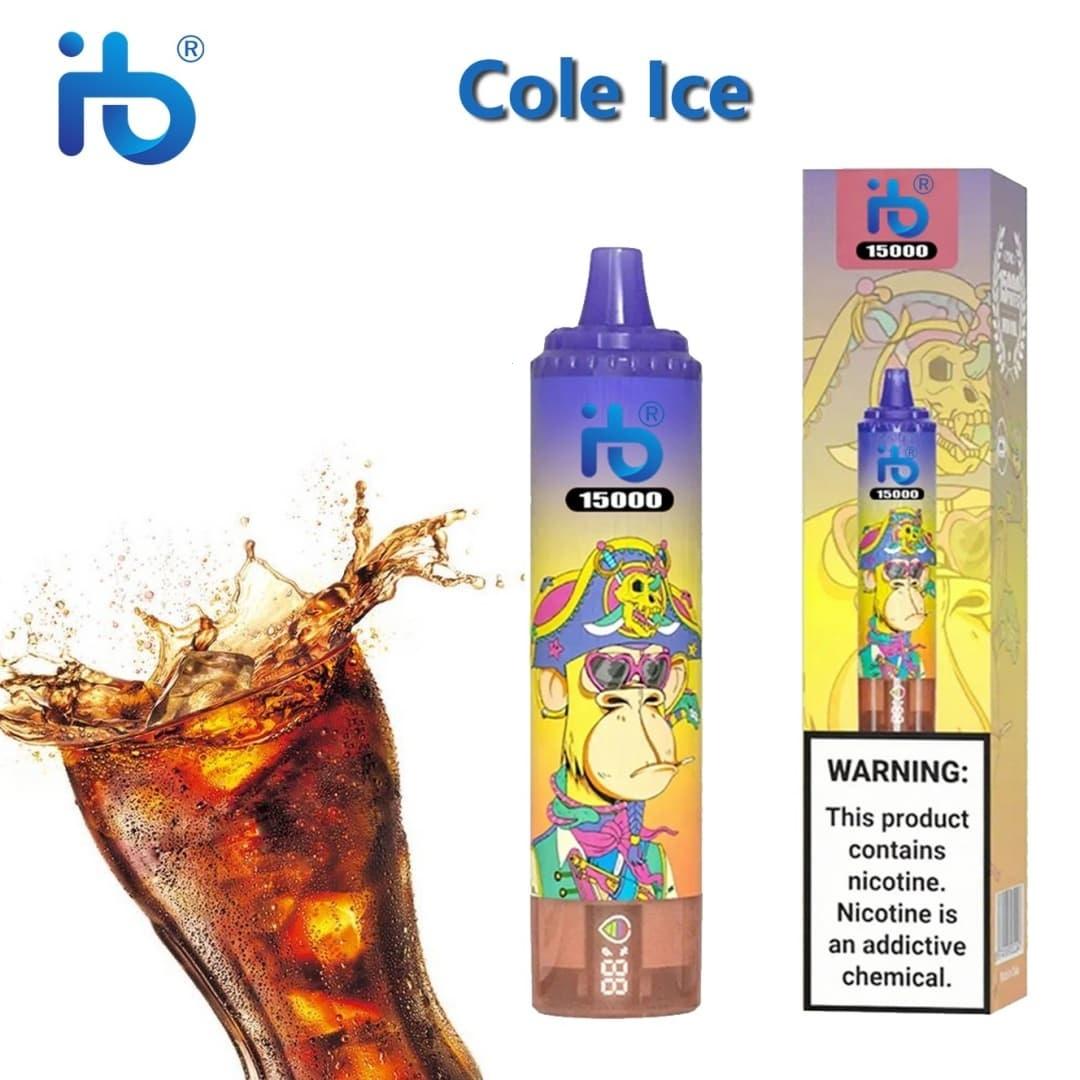
- Cigalikes and closed pod systems: Often simpler and less customizable; deliver lower aerosol volumes and are convenient for switching smokers.
- Open pod systems and refillable pods: Balance convenience and flexibility; quality of e-liquids matters.
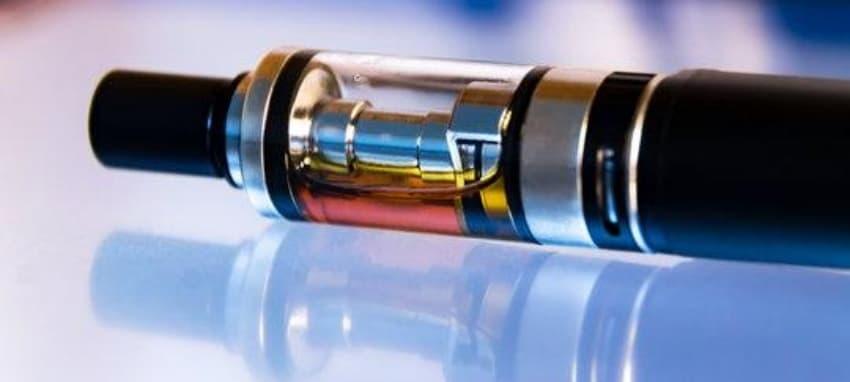
- Sub-ohm tanks and advanced mods: Produce larger aerosol clouds and can generate higher temperatures; require more knowledge to manage safely.
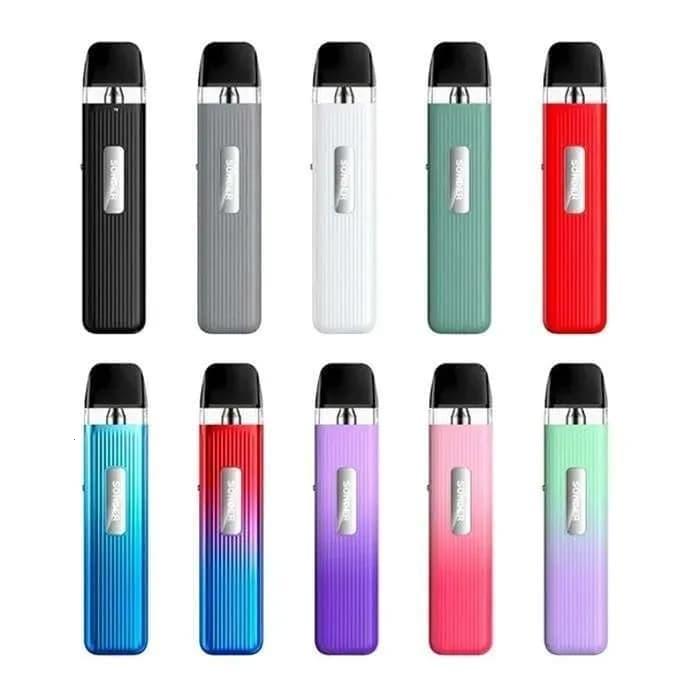
Safety rules for advanced devices
For rebuildable or variable-wattage devices, respect battery limits (amp ratings), avoid improper coil builds, and educate yourself about Ohm’s law. Improper battery handling is a leading cause of mechanical incidents.
Maintenance and responsible use
Safe vaping is partly about good habits: store e-liquids out of reach of children and pets, dispose of batteries and liquids responsibly, and avoid modifying cartridges or using incompatible parts. Keep devices clean, replace worn seals, and monitor for overheating or unusual performance.
Storage and transport
Avoid leaving devices in hot cars or pockets with metallic objects that could short batteries. Use protective cases and keep spare batteries in insulated wrappers if carrying extras.
Regulatory landscape and quality assurance
Regulations vary widely by country. Some jurisdictions require product registration, ingredient disclosure, and testing for contaminants. When assessing a retailer like IBvape obchod, prefer sellers that comply with local regulations, provide lab testing, and cooperate with recalls. Regulatory oversight can reduce the prevalence of hazardous or counterfeit products on the market.
What to look for in product literature
Clear nicotine labeling, child-resistant caps, batch numbers, expiry dates, and safety warnings are all positive indicators. If a product omits these, exercise caution.
Real-world harm reduction: switching strategies
For many adult smokers, the pragmatic question is how to minimize harm while dealing with nicotine dependence. A structured approach increases the chance of successful complete switching:
- Choose a starter kit with a familiar nicotine strength and format.
- Set measurable goals: reduce cigarette consumption week-by-week with a plan to stop combustion entirely.
- Use behavioral supports: counseling, quitlines, or digital aids can double success rates.
- Be ready to taper nicotine if desired, using lower-strength e-liquids or nicotine replacement therapy under medical guidance.
Common myths and evidence-based corrections
Myth: “Vaping is harmless water vapor.” Fact: Aerosol contains multiple constituents beyond water. Myth: “All e-liquids are the same.” Fact: Quality, ingredients, and contaminants vary widely. Myth: “Vaping inevitably leads to smoking.” Fact: Evidence on gateway effects is complex; population-level data show nuanced trends and policy context matters.
SEO-focused keyword integration and on-site optimization tips for IBvape obchod
To help shoppers find reliable information, vendors should implement SEO best practices. Use this checklist tailored to the keyword phrase set that includes IBvape obchod and are electronic cigarettes bad for your health:
- Include primary keywords in page headings and meta descriptions (note: meta tags are outside this content, but relevant for webmasters).
- Produce long-form, authoritative content that addresses common queries like health risks, device safety, and buying tips.
- Use structured data (Schema) for products and FAQs to improve search visibility.
- Provide original product photos, lab certificates, and clear buying guides to enhance trust signals.
- Implement internal linking to related pages (e-liquid safety, battery care, returns) using descriptive anchor text that includes keywords sparingly.
On-page content recommendations
Balance keyword density: mention IBvape obchod and the phrase are electronic cigarettes bad for your health naturally across headings, paragraphs, and image alt text. Avoid keyword stuffing. Use synonyms and related phrases — “vaping health effects,” “e-cigarette safety,” “harm reduction for smokers” — to capture semantic relevance and long-tail traffic.
Ethics, marketing, and youth protection
Retailers must adopt policies that prevent sales to minors and avoid marketing that appeals to youth. This includes stringent age verification, avoiding youth-oriented imagery, and restricting flavors that disproportionately attract adolescents. Responsible marketing protects public health and reduces regulatory backlash.
Industry best practices
- Implement age-gating checks at purchase.
- Maintain transparent marketing claims grounded in evidence.
- Support community education on safe use and disposal.
Buying checklist for your next visit to IBvape obchod
Keep this concise checklist in your phone when shopping:
- Confirm device authenticity and warranty.
- Inspect e-liquid for labeling and batch codes.
- Choose nicotine and PG/VG ratios aligned with your goals.
- Ask for lab testing or CoA if concerned about contaminants.
- Request instructions for battery and coil maintenance.
Summary and practical takeaways
Answering whether are electronic cigarettes bad for your health is not a simple yes/no. The safest option for health is to avoid inhaling nicotine and aerosols entirely. However, for adult smokers who switch completely, regulated vaping products may reduce exposure to many harmful combustion products and therefore may be a less harmful alternative. Quality, responsible retail practices, regulatory compliance, and informed consumer choices are essential to minimize risks. Vendors like IBvape obchod that emphasize transparency, safety documentation, and responsible marketing provide higher-quality options for consumers.
Next steps for readers
If you are considering vaping to quit smoking, consult a healthcare professional for personalized advice. If you are shopping, prioritize verified sellers who provide clear product information, lab results, and safety guidance. Keep up with evolving evidence and regulatory changes — science continues to refine our understanding of long-term effects.
Further resources and reading
Seek reputable sources for ongoing updates: peer-reviewed journals, public health agencies, and official guidance documents. Be cautious with anecdotal reports and social media claims; verify against scientific consensus and regulatory statements.
Thank you for reading this extensive guide. If you want to learn more about safe device operation, e-liquid formulation, or product verification steps specifically for IBvape obchod, consult the retailer’s published documentation and independent lab testing results.
Optional FAQ
Frequently asked questions
- Q: Can vaping help me quit cigarettes?
- A: For many adult smokers, switching completely to regulated vaping devices has helped reduce or stop combustible cigarette use. Combine vaping with behavioral supports for the best results and consult health professionals about nicotine reduction plans.
- Q: Are certain devices safer than others?
- A: Simpler sealed pod systems and regulated starter kits often deliver more consistent performance and fewer user errors than advanced mod setups; safety also depends on battery quality, user behavior, and e-liquid sourcing.
- Q: How can I tell if an e-liquid is safe?
- A: Look for explicit labeling, batch numbers, ingredient lists, nicotine concentration, child-resistant packaging, and third-party lab results (CoA). Avoid products with vague claims or unknown origins.