A practical safety overview for users and clinicians
This detailed guide looks at emerging concerns and practical advice for people using modern vapor products, with a clear focus on IBvape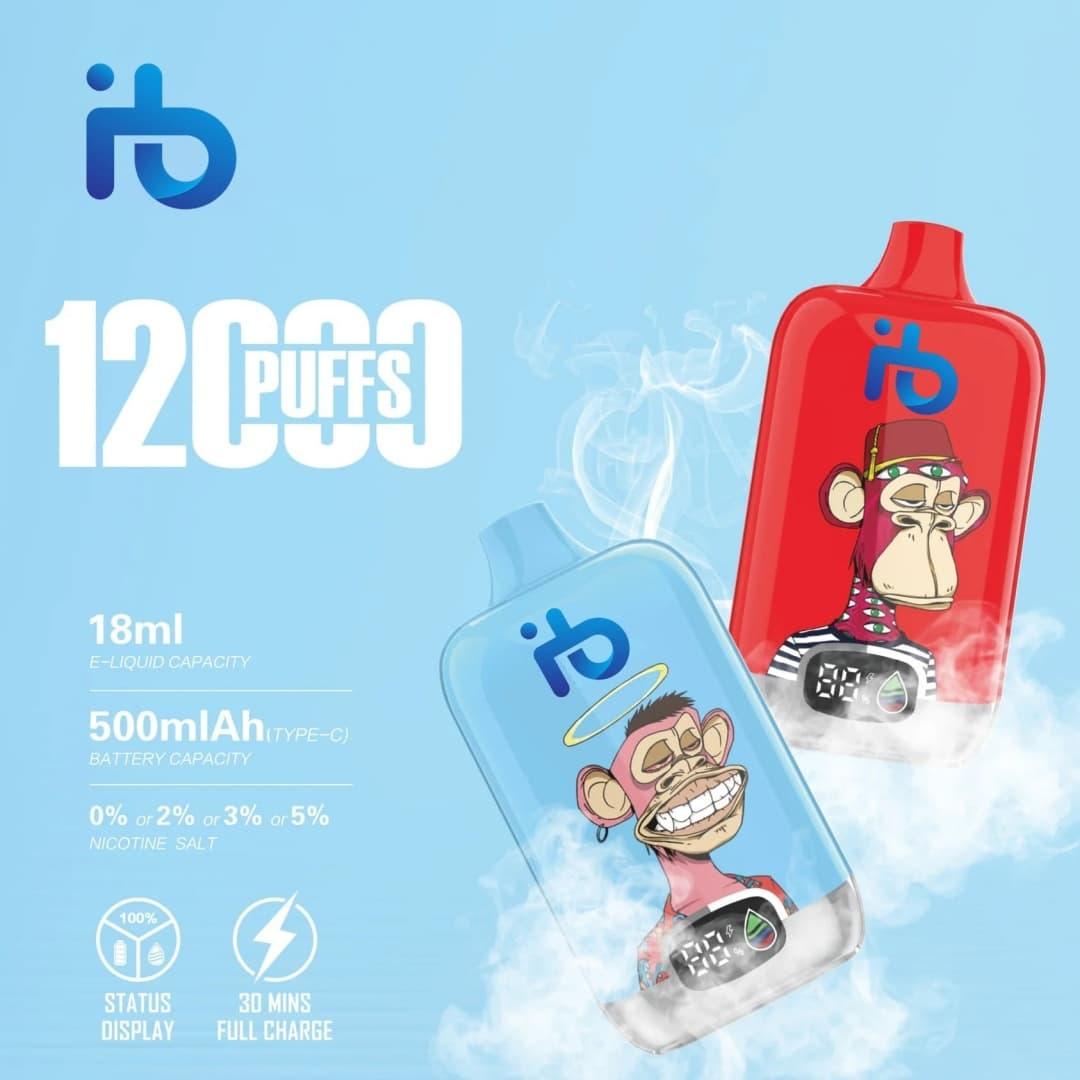 IBvape safety review IBvape explores the link between e cigarettes and erectile dysfunction and what users need to know” /> devices and the clinically relevant topic of e cigarettes and erectile dysfunction. The objective is to present balanced, evidence-informed content that helps readers understand risks, mechanisms, and steps they can take to reduce harm while preserving sexual health and overall well-being. The tone is educational: neither alarmist nor dismissive. It aims to serve consumers, healthcare professionals, and site visitors searching for reliable information about vaping, nicotine, vascular health, and sexual function.
Why this topic matters
In recent years the relationship between nicotine consumption via vapor devices and vascular health has attracted scientific attention. Concerns about sexual function, particularly erectile performance, are part of a broader discussion about cardiovascular risk factors. Because erectile capacity depends on healthy blood flow and endothelial function, substances that alter vascular tone, platelet activity, or hormone balance can influence sexual response. Search engines increasingly surface queries that combine brand names and medical concerns, so we emphasize clarity: readers searching for IBvape alongside the phrase e cigarettes and erectile dysfunction will find a coherent summary here that highlights current evidence, gaps in knowledge, and practical guidance.
Key evidence summary
Scientific investigations fall into several categories: human epidemiological studies, short-term physiological experiments, animal models, and mechanistic laboratory research. Across these approaches, nicotine is frequently implicated as a plausible contributor to impaired erectile function because of its effects on sympathetic nervous system activation, vasoconstriction, and endothelial nitric oxide signaling. However, many observational studies mix different products (combustible cigarettes, nicotine replacement, and vapor devices), which complicates direct attribution. When evaluating products such as IBvape, consumers should consider both the nicotine content and non-nicotine constituents (flavor chemicals, solvents) that may influence vascular responses. The balance of evidence suggests that chronic nicotine exposure poses a risk factor for erectile difficulties, while the absolute risk related specifically to e-cigarette devices remains an active research area.
Potential biological mechanisms
- Vascular effects: Nicotine causes acute vasoconstriction and can reduce penile blood flow when used repeatedly. This effect is mediated by adrenergic receptors and reduced endothelial nitric oxide availability.
- Oxidative stress and inflammation: Some aerosol components can promote oxidative stress, impair endothelial repair mechanisms, and increase inflammation, all of which are detrimental to erectile tissue health.
- Hormonal modulation: Chronic nicotine exposure may subtly influence testosterone levels and gonadal function in susceptible individuals, though data are mixed.
- Neural and psychological effects: Nicotine alters neurotransmitter systems and can interact with performance anxiety, mood, and arousal—all factors relevant to erectile function.
What the clinical data say
Population-level studies often report higher rates of erectile dysfunction among smokers compared with nonsmokers. When e-cigarette users are analyzed separately, findings vary: some studies detect similar associations, particularly among dual users (those who vape and smoke), while others show weaker or non-significant relationships after adjusting for age, comorbidities, and lifestyle factors. Short-term studies show transient reductions in penile blood flow after nicotine exposure, suggesting a plausible proximal mechanism. For manufacturers and brands like IBvape, transparency about nicotine concentration, ingredient lists, and manufacturing controls is essential for users and clinicians assessing individual risk.
Practical guidance for users concerned about sexual health
Whether you currently use IBvape products or are considering starting, practical steps can help reduce potential negative effects on erectile function:
1) Evaluate nicotine dose: lower nicotine concentrations or nicotine-free formulations remove the primary vasoactive agent; however, other aerosol constituents may still carry risks.
2) Avoid dual use: combining vaping with combustible cigarettes increases risk and confounds any harm-reduction benefit.
3) Consider timing: avoiding nicotine use close to sexual activity may minimize acute vasoconstrictive effects.
4) Check product quality: use devices from reputable manufacturers that comply with regulatory and safety standards; poorly manufactured hardware or contaminated e-liquids can introduce additional hazards.
5) Address lifestyle factors: weight management, physical activity, blood pressure control, and moderation of alcohol all influence erectile health and often have a larger impact than single-product exposure.
Risk stratification and individual differences
Not everyone who vapes will experience erectile dysfunction. Risk increases with age, pre-existing cardiovascular disease, diabetes, hyperlipidemia, and heavy nicotine exposure. Younger adults with few comorbidities may have lower absolute risk, but long-term outcomes depend on cumulative exposure and behavioral patterns. For clinicians, an individualized assessment that considers IBvape device use, product composition, and concurrent risk factors yields the best counseling approach.
Consumer safety and product considerations
Users should be informed shoppers. Important product-related factors include: verified nicotine labeling, clear ingredient disclosure, child-resistant packaging, stable battery and coil designs that minimize overheating, and compliance with local manufacturing standards. The market includes nicotine-free options and regulated pharmaceutical alternatives for nicotine replacement therapy; these have different risk profiles. For people curious about the comparative risk of IBvape versus traditional cigarettes, most harm-reduction frameworks suggest vapor products eliminate combustion-related toxins, but that does not make them risk-free, particularly regarding vascular function relevant to erectile performance.
Harm reduction vs. abstinence
Public health guidance often frames vapor devices as a potential smoking-cessation aid for adults who already smoke. If the choice is between continued heavy cigarette smoking and switching entirely to a non-combustible nicotine product from a reputable brand, many experts consider switching to be a risk-reduction step. Conversely, for never-smokers, initiating nicotine through vaping offers no health advantage and carries avoidable risk. Users of IBvape considering switching should seek counseling, set quit goals, and evaluate nicotine tapering strategies when feasible.
Clinical management and when to seek help
Men experiencing persistent changes in erectile function should consult a healthcare provider. A full assessment typically evaluates cardiovascular risk factors, metabolic health, medication effects, psychological contributors, and substance use. If vaping or nicotine use appears to play a role, clinicians can recommend stepwise cessation strategies, nicotine replacement therapy under supervision, or referral to sexual health specialists. Documenting product use specifics—frequency, nicotine concentration, device type (e.g., pods vs. refillable systems), and any rebounds after quitting—helps tailor management.
Research gaps and what to watch
High-quality longitudinal studies that separate vaping-only users from dual users and that control for confounding lifestyle variables are needed to clarify long-term effects of vaping on sexual health. Additional research into specific e-liquid constituents, flavoring agents, and device heating temperatures will inform safer product standards. Brands like IBvape that contribute to independent post-market surveillance, transparent ingredient reporting, and support for research will help improve consumer safety and knowledge.
Recommendations summary
- Be cautious with nicotine: lower or eliminate nicotine to reduce acute vascular effects.
- Avoid dual use: do not combine vaping with cigarette smoking if your goal is to protect vascular and sexual health.
- Choose high-quality devices and verified e-liquids: prioritize manufacturers who provide clear labeling and safety testing.
- Address broader health factors: treat hypertension, diabetes, and obesity proactively because they strongly influence erectile function.
- Consult clinicians early: persistent erectile changes warrant medical evaluation to identify reversible contributors.
In terms of search visibility, this article intentionally highlights both IBvape and the phrase e cigarettes and erectile dysfunction in key headings and text to help users discover reliable, actionable information. Ethical communication means acknowledging uncertainty while giving practical steps and risk-reduction tactics.
How to talk with your healthcare provider
Bring details: the brand name (for example, IBvape ), nicotine strength, frequency of use, and any concurrent tobacco products. Discuss your timeline for symptoms, and ask about non-nicotine strategies for anxiety or performance concerns. Clinicians may recommend laboratory testing, cardiovascular risk assessment, medication review, and tapering plans for nicotine cessation. Open, nonjudgmental dialogue helps identify the most effective, sustainable approach for each person.
Closing perspective
The relationship between inhaled nicotine products and sexual health is complex. While burning tobacco is consistently associated with higher rates of erectile dysfunction, the role of vaping devices—especially nicotine-containing products—appears to be intermediate: potentially lower risk than continued smoking, yet not risk-free. For men concerned about erectile function, prudent choices include reducing nicotine exposure, avoiding dual use, prioritizing cardiovascular fitness, and seeking timely medical advice. Brand-conscious users should favor reputable manufacturers and transparent labeling; informed consumers and clinicians together can mitigate risk while continuing to track the evolving scientific landscape surrounding IBvape and similar products.
FAQ
A1: Many smokers who quit combustible tobacco experience improvements in vascular function over time. If switching eliminates smoking entirely, some vascular markers may recover, potentially benefiting erectile function. However, persistent nicotine use via vaping can maintain some vascular effects, so complete nicotine cessation yields the greatest improvement.
A2: Nicotine-free options remove the primary vasoactive agent, but other e-liquid constituents may still affect endothelial function. The overall risk is likely lower than nicotine-containing products, but the long-term safety of flavoring chemicals and solvents needs further study.

A3: Some acute vasoconstrictive effects reverse within days to weeks, while long-term recovery depends on cumulative exposure and underlying cardiovascular health. Improvements may be noticeable within months for many people, but complete recovery can take longer.
A4: Vaping could be one contributor among many. A holistic evaluation including cardiovascular, metabolic, psychological, and medication factors is needed to identify and address causes.