In recent years, Cambodia has made significant strides in public health regulation, strongly prohibiting the sale, import, and use of e-cigarettes. The introduction of Cambodia’s e-cigarette ban law has created a paradigm shift in how the country approaches tobacco and nicotine consumption. This proactive move places Cambodia among the growing list of nations taking firm steps to curb the rise of vaping, primarily due to its impact on youth and long-term health risks.

The Rationale Behind the Ban
E-cigarettes have been marketed as a safer alternative to traditional smoking, which contributed to their widespread usage worldwide. However, studies have increasingly shown that the supposed safety benefits are not substantial enough to negate the potential harms. This acknowledgment has led countries like Cambodia to enforce bans. By implementing stringent rules against e-cigarettes, the Cambodian government aims to protect public health, particularly safeguarding its younger population from developing nicotine addictions.
Key Provisions of the E-Cigarette Law
The Cambodian e-cigarette ban law encompasses several critical provisions. It prohibits the use of e-cigarettes in public spaces, imposed heavy penalties on distribution and sale, and strictly controls imports. The law applies to all forms of e-cigarette products, including both refillable and disposable devices, thereby leaving no room for loopholes. These measures not only discourage consumption but also aim to prevent the commercial interests from promoting these products as modern lifestyle choices.
Public Reception and Compliance
The response to the e-cigarette ban varies across different groups. Health advocates have largely applauded the decision, emphasizing the potential for substantial public health improvement. However, some smokers and businesses have expressed concerns about their options to reduce harm and the economic impact on the vaping industry. Ensuring compliance is a continuing challenge for authorities, necessitating consistent monitoring and public education efforts. Community buy-in remains crucial for the success of this public health intervention.
“The law might be strict, but it is essential for the welfare of future generations”— Health Minister of Cambodia
Education campaigns are playing a vital role in spreading awareness about the dangers of nicotine addiction and promoting smoking cessation programs. By creating a comprehensive framework, the government is betting on long-term health benefits that outweigh the short-term economic gains from the e-cigarette market.
Potential Consequences and Future Directions
Implementing and enforcing the e-cigarette ban comes with its set of challenges. One of the foremost concerns is the potential rise in black-market activities as demand for alternative products persists. Agencies are tasked with introducing robust enforcement strategies to combat illicit trade while ensuring legitimate commerce isn’t affected.
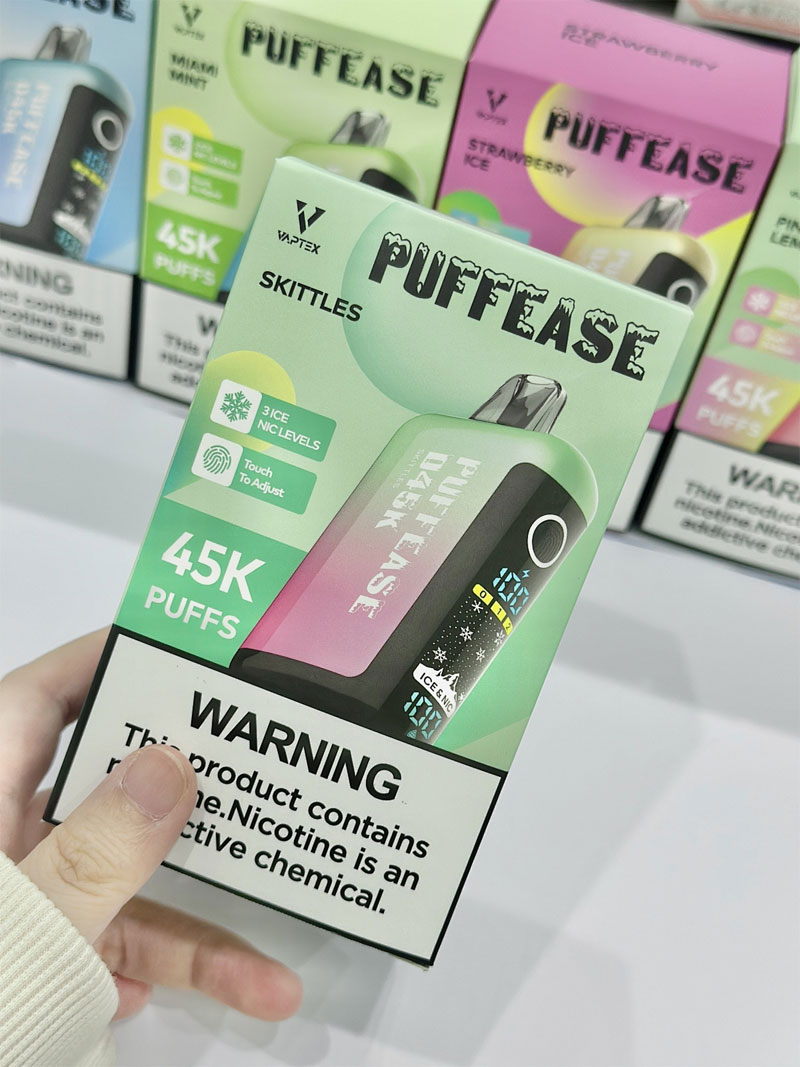
Looking forward, Cambodia may serve as a case study reflecting both the challenges and achievements a strict e-cigarette policy can offer. Other Southeast Asian nations might follow suit, adapting similar laws that focus on reducing tobacco-related illnesses. International cooperations and sharing resources, knowledge, and enforcement techniques will be pivotal as the global community unites to tackle vaping.
FAQs
Is possession of e-cigarettes illegal in Cambodia?
Yes, alongside selling and importing, the possession/use of e-cigarettes is also illegal under the current regulations.
Are there exceptions to the law?
No, the law is comprehensive and applies to all e-cigarette forms without exceptions, reflecting a zero-tolerance policy.

How does this law affect tourists?
Tourists need to adhere to local laws, and possession of e-cigarettes could result in penalties. It is recommended to be informed about local regulations before traveling.