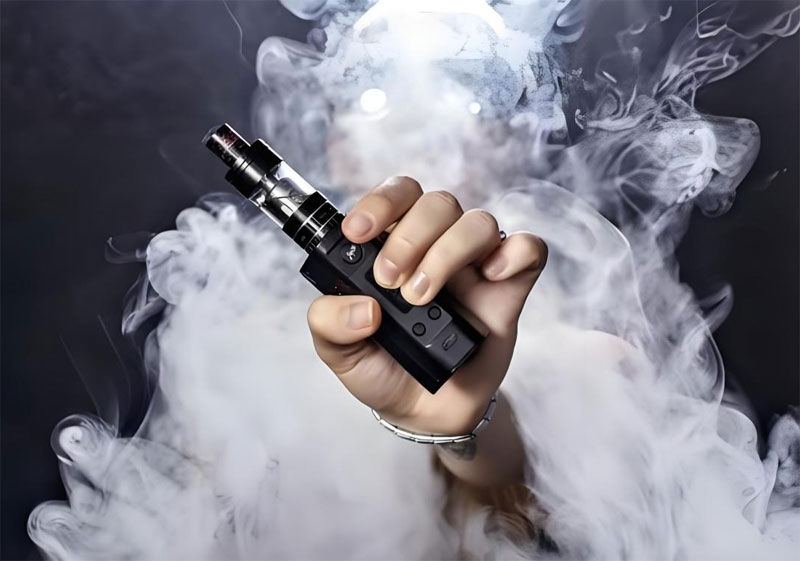
The debate over whether e-cigarettes are safer than traditional cigarettes is ongoing. Both products have their own set of health risks, but understanding their differences is crucial. E-cigarettes, often marketed as a safer alternative, do not burn tobacco but instead heat a liquid, usually containing nicotine, flavorings, and other chemicals. This process creates a vapor that is inhaled, commonly known as vaping.
The Composition of E-Cigarettes
Unlike traditional cigarettes, e-cigarettes do not contain tobacco, yet they might still pose health risks. The liquid, or e-juice, consists of propylene glycol, vegetable glycerin, nicotine, and flavoring agents. Nicotine is a highly addictive substance that can affect brain development, especially in younger users. Fortunately, when vaping, the typical absence of tar and other harmful substances found in smoke may represent a benefit over smoking.
Potential Advantages of E-Cigarettes
The Risks Still Exist
Despite potential advantages, e-cigarettes are not devoid of risks. Exposure to nicotine remains a significant concern due to its addictive nature and association with cardiovascular diseases. Furthermore, specific e-cigarettes have been found to contain dangerous substances like formaldehyde and acrolein, albeit usually in smaller amounts than in traditional cigarettes.
Long-Term Health Impacts
Long-term effects of e-cigarettes are not yet fully understood, given their relatively recent introduction compared to traditional cigarettes. However, ongoing studies aim to identify any potential link to chronic diseases, including respiratory and cardiovascular conditions. Public health experts stress the continuous monitoring and regulation of e-cigarettes to safeguard consumers.
Common Concerns and Misconceptions

- Nicotine-Free Choices: Many believe that e-cigarettes offer a nicotine-free option. While some products do offer this choice, it is vital to ensure they are truly nicotine-free by checking product labels and making informed decisions.
- Second-Hand Vapors: A common misconception is that second-hand vapor from e-cigarettes is harmless. While dramatically less harmful than tobacco smoke, it still possesses some health risks, particularly for individuals with respiratory issues.
- Vaping and Smoking Cessation: While some adults use e-cigarettes as a cessation tool, evidence supporting their effectiveness is mixed. Combining with other cessation strategies may enhance success.