Understanding Risks: How Modern Vaping Devices and Batteries Behave
Today’s discussion focuses on a practical and consumer-oriented view of electronic cigarette safety, emphasizing why users and retailers alike — including brands such as IBVape Vape Shop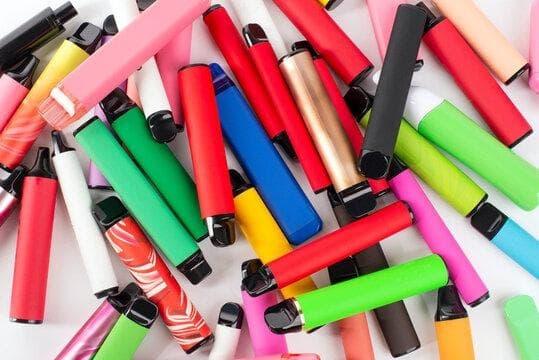 — must treat battery handling as a core responsibility. Many vapers ask, “can e cigarettes cause a fire?” and the direct answer is: under certain conditions, yes — but almost always due to battery misuse, faulty equipment, counterfeit cells, improper charging, or mechanical damage. This guide dives deep into the causes, prevention strategies, and everyday best practices to reduce the risk of thermal events while maintaining a positive vaping experience.
Why batteries are the primary concern
The majority of incidents involving e-cigarettes originate from lithium-ion cells used in most mods, pods, and vape devices. These cells are favored for their energy density, but they require respect and correct handling. When a cell is physically damaged, exposed to extreme temperatures, overcharged, short-circuited, or improperly paired with an incompatible device, the risk of thermal runaway increases. Thermal runaway is the chain-reaction failure in a cell that can lead to smoke, fire, or — in the worst cases — explosion. Even with high manufacturing standards, human factors remain the leading contributors to accidents.
Common scenarios where fires start
- External short circuits: Carrying loose batteries in pockets with metal objects like keys or coins can create a short and discharge the cell rapidly, producing heat and potentially sparking combustion.
- Damaged wraps: Scratched or torn protective sleeves expose the metal casing and increase the chance of a short if the exposed area contacts conductive material.
- Improper chargers or cables: Using low-quality, uncertified chargers or leaving devices unattended on unreliable chargers can result in overcharging or uncontrolled current flow.
- Counterfeit or low-quality batteries: Non-branded or fake cells often lack protective features and fail testing standards, elevating the risk of failure under normal loads.
- Mechanical mods without protections: In unregulated mechanical devices that lack built-in safety circuits, mismatched batteries or user error can cause catastrophic failure.

How likely is a vape to catch fire?
Statistically, incidents remain rare compared to the vast number of vapers and devices in circulation, but rarity doesn’t remove responsibility. The more devices, batteries, and chargers that are in daily use, the greater the aggregate risk. Retailers like IBVape Vape Shop include safety information and compliant accessories to minimize user risk, and consumers should prioritize reputable sellers and certified products to lower the probability of an incident.
Practical battery safety tips every user should adopt
- Buy from reputable suppliers: Choose trusted vendors and verified manufacturers. If you shop at IBVape Vape Shop, ask staff about authenticity verification and quality checks.
- Use the right charger: Always use chargers recommended by the battery manufacturer, and avoid cheap, no-name charging blocks sold without specifications.
- Never leave charging devices unattended overnight: Even smart chargers aren’t a substitute for common-sense supervision.
- Inspect batteries regularly: Look for dents, tears, discoloration, or bulging. If a battery appears damaged, dispose of it properly through a recycling program.
- Keep batteries in protective cases: Transport batteries in a non-conductive carry case or battery pouch rather than loose in purses or pockets.
- Match battery specs to device: Ensure the battery’s continuous discharge rating (CDR) and amp limits are suitable for the device and coil resistance used.
- Avoid extreme temperatures: Do not store batteries in direct sunlight, in hot cars, or near heat sources. Cold can reduce performance; heat accelerates chemical degradation and risk of failure.
- Do not modify batteries: Do not remove manufacturer tabs, hack protective circuits, or attempt to rebuild cells.
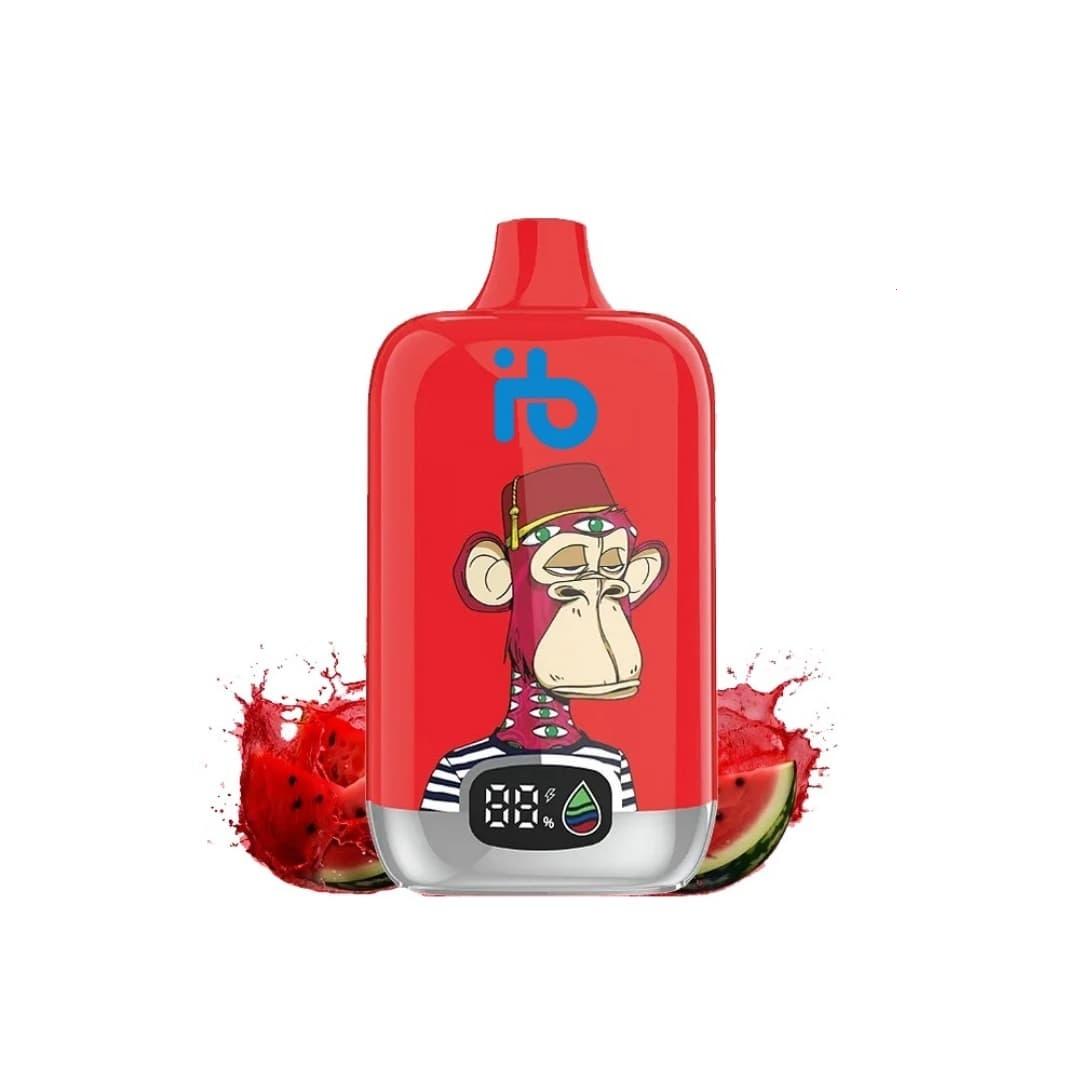 IBVape Vape Shop explores can e cigarettes cause a fire plus essential battery safety tips every vaper should know” />
Charging best practices and myths
Charging is often where users make avoidable mistakes. A few clear rules will prevent many issues: do not use mismatched multi-cell chargers with poorly secured contacts; avoid charging through cheap USB ports that do not regulate current or voltage properly; and if you use a device’s internal battery, follow the manufacturer’s charge cycles and recommended cables. A common myth is that trickle charging for long periods is harmless; extended times on risky hardware increase cumulative stress on cells and are unwise. High-quality chargers with overcurrent, overvoltage, and temperature protection are inexpensive insurance.
Storage and transportation
When not in use, remove batteries from devices that allow removal and store them in hard-shell containers designed for cells. Label batteries where possible and rotate usage to avoid leaving a battery charged at 100% indefinitely. If you travel, especially by airplane, check carrier rules — most require batteries to be carried in the cabin and in protective packaging.
Recognizing a failing battery
Be attentive to signs such as persistent overheating during use, unusual smells (chemical or sweet odors), hissing, or swelling. If you see any of these, move the device to a safe area away from flammable materials and follow disposal advice. In case of visible smoke or flame, use a class D or appropriate fire extinguisher from a safe distance; do not throw water on a lithium battery fire.
Retailer and community roles in reducing incidents
Shops and online sellers have an obligation to educate customers. Quality retailers like IBVape Vape Shop often provide printed safety flyers, in-store training, and verified accessories. A trustworthy seller will refuse to sell unwrapped or suspect batteries and will demonstrate proper charger selection. Community education includes teaching new vapers about ohm’s law basics, battery ratings, and how to spot counterfeits.
Product selection: what to look for at point of sale
- Certifications and labels: Look for UL, IEC, or other recognized testing marks for chargers and batteries.
- Manufacturer documentation: Legitimate cells come with data sheets listing amp limits and chemistry.
- Batch and serial numbers: Verify serials on manufacturer websites when possible.
- Packaging integrity: Authentic product packaging is usually sealed and includes safety literature.

Special situations: mechanical mods and rebuildables
Advanced vapers who use mechanical mods must be especially diligent. These devices often lack protections and therefore require precise battery knowledge and strict adherence to limits. Learn to calculate load and ensure your battery’s continuous discharge rating is never exceeded. Use protective sleeves and carry spares in a non-conductive container. If you are unsure, consult knowledgeable staff at an established shop like IBVape Vape Shop before attempting complex builds.
Maintenance checklist
Monthly: inspect wraps and terminals; Weekly: clean device contacts and threads to ensure no metal shavings or conductive dust accumulate; Before each use: verify battery orientation and secure connections; After a drop: re-evaluate the battery and device for unseen damage.
When an incident occurs: immediate steps
If a battery begins to smoke, emit sparks, or shows fire, move people away and avoid inhaling fumes. Evacuate the area and call emergency services if the situation escalates. If safe and the device is small, place it outdoors on a non-flammable surface to burn out under controlled conditions, but only if that is feasible without endangering people or property. Report any defects to the seller and/or manufacturer so they can issue warnings or product recalls.
Case studies and lessons learned
Examining past incidents reveals common failure patterns: cheap chargers, counterfeit cells, and user complacency. Many preventable accidents involved batteries carried loose in pockets or mishandled during transit. The best lessons are simple: buy quality, inspect often, and never ignore warning signs. Retailers who emphasize these lessons help reduce community risk.
How IBVape Vape Shop helps customers stay safe
Reputable shops provide training, vetted products, and transparent customer service. Services can include battery wrap replacement, in-store charger recommendations, and demonstrations on safe handling. Seek shops that prioritize safety over upselling high-powered devices without education. If a seller demonstrates care, they contribute directly to lowering real-world incidents.
Regulatory landscape and future trends
Regulators increasingly focus on battery safety, packaging, and standards for chargers. Expect more stringent testing requirements and clearer labeling in future product lines. Advances in battery chemistry may yield safer cells, but user education will remain essential. Until technology advances enough to remove lithium-ion vulnerabilities entirely, safety practices are the main defense.
Summary checklist — quick reference for safe vaping
- Purchase from reputable shops such as IBVape Vape Shop.
- Use certified chargers and cables.
- Inspect batteries and replace damaged ones immediately.
- Transport batteries in protective cases, never loose with metal items.
- Match battery ratings to device requirements and coil builds.
- Avoid overnight or unsupervised charging on cheap or uncertified hardware.
- Follow disposal and recycling guidelines for used cells.
Final thoughts
So, “can e cigarettes cause a fire?” The correct, nuanced reply is that the device itself is rarely the sole cause; risk results from a combination of battery chemistry, improper handling, poor-quality accessories, and lack of education. By prioritizing safe practices, selecting trusted vendors like IBVape Vape Shop, and staying informed, vapers can significantly reduce risk and enjoy a safer hobby. Safety is a shared responsibility between manufacturers, retailers, and consumers — and small precautions yield large benefits.
Q: Are certain brands more likely to cause problems?
A: Problems correlate with counterfeit or unbranded cells and not necessarily with well-known manufacturers. Buy authentic cells from authorized dealers like IBVape Vape Shop.
A: Yes — a malfunctioning charger, shorted wiring, or a damaged internal circuit can cause issues. Regular maintenance prevents many such failures.
A: Recycle it through an appropriate battery recycling program or a retail take-back where accepted; do not dispose of lithium-ion cells in household trash.