IBVape travel guide: essential advice on e-cigarettes and flying abroad
Travelers who use vaping devices face a maze of rules, restrictions and practical decisions when preparing to fly internationally. Whether you’re planning a short trip or an extended stay, understanding what items are allowed in your carry-on, what must remain at home, and how different countries treat electronic cigarettes helps you avoid fines, confiscations and missed connections. This comprehensive guide, built around the core question “can you take e cigarettes on international flights”, unpacks airline policies, regulatory differences, battery safety, packing tips and real-world strategies from a trusted resource like IBVape.
Quick summary for busy travelers
If you need the short version: most airlines and aviation authorities permit e-cigarettes and vaping devices in carry-on baggage only; spare batteries must be carried in the cabin and protected against short-circuiting; e-liquids are subject to liquid rules (typically ≤100ml per container in carry-on); and some countries or airports ban vaping entirely or restrict nicotine products. For a memorable checklist: carry devices in your hand luggage, keep batteries insulated or in dedicated cases, comply with liquid rules for e-liquids, and check destination rules before you go. For ongoing reference, bookmark a page or note from IBVape and search specifically for airline policies before departure.
Why policies vary and who sets the rules
Understanding who makes the rules helps you anticipate differences. International aviation safety organizations set high-level recommendations while national regulators and individual airlines create enforceable rules. Key stakeholders include civil aviation authorities (such as the FAA, EASA, CAA), local customs and public health agencies, and airlines. Many airlines adopt similar standards: devices are allowed in carry-on, prohibited in checked baggage, and subject to battery and liquid restrictions. However, country-level bans (for example, complete bans on nicotine vaping products in some jurisdictions) can override airline permissiveness at the point of entry, exit or transit.
Core points to remember
- Carry-on only: Most carriers require you to keep e-cigarettes and mods in the cabin; never pack them in checked luggage.
- Batteries: Spare lithium batteries and power banks must be in carry-on with terminals protected. Large batteries may need airline approval.
- Liquids: E-liquids follow liquid restrictions in the EU, US and many other regions — containers usually must be 100ml/3.4oz or less and fit in a single clear bag.
- Country bans: Some destinations prohibit vaping or require declaration and proof of purchase; check local rules in advance.
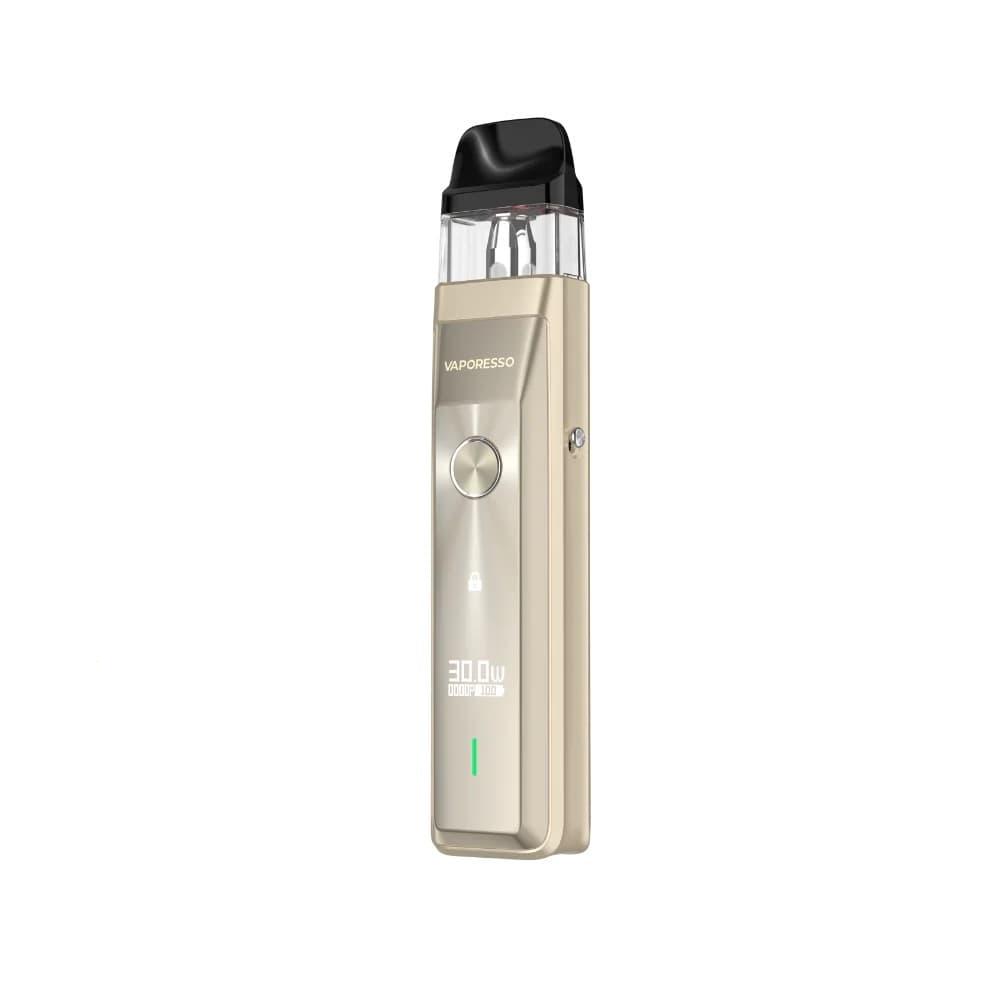
Airline rules: commonalities and differences
Although carriers differ in phrasing and specifics, these patterns are consistent: devices that contain lithium batteries are not allowed in checked baggage due to fire risk; they must be carried in the cabin where crew can respond to incidents. Airlines often restrict use of devices aboard aircraft — no vaping during flight — and may require that devices be powered off or have battery terminals shielded. If you travel with a larger mod or a mechanical device, consult your airline for approval ahead of time, because high-capacity batteries or loose cells can trigger stricter handling rules.
Security screening and packing tips
Expect security to request that you remove devices from bags and place them in separate trays for X-ray screening. Keep your devices, spare tanks and e-liquid bottles accessible in your carry-on. Use a rigid, insulated case for mods and batteries, and employ battery wraps or cases for spare cells to prevent short circuits. Carry proof of purchase or manufacturer specifications when possible — these can help explain non-standard devices to security officers. Keep chargers and USB cables neatly organized and avoid splicing or homemade battery assemblies that look suspicious during screening.
Battery specifics and power bank rules
Lithium-ion batteries are the main aviation concern because of thermal-runaway fire risk. Key rules include:
- Installed batteries in devices: allowed in carry-on.
- Spare removable batteries: must be in carry-on and individually protected against short circuits (battery cases, taping terminals).
- Power banks: treated as spare batteries; they must be carried in the cabin, and there may be capacity limits (airline or regional). Declare oversized power banks if required.
- Batteries >100Wh: typically require airline approval; >160Wh usually prohibited.
As a practical guideline, note battery capacity printed in Wh or mAh and calculate Wh = (mAh × V) / 1000 if needed. When in doubt, contact your airline.
Liquid rules: e-liquid, nic salts and cartridges
Most airports apply the same liquids rule to e-liquids as to other liquids: containers must be ≤100ml and fit within a single quart-sized (or equivalent) clear bag. Nicotine content can trigger additional scrutiny or import restrictions at your destination. Pre-filled cartridges and disposable e-cigarettes often also fall under liquid rules; however, some airlines and countries treat disposables differently, so check ahead. If you carry larger volumes (for medical reasons, for example), secure documentation from a physician and accept that special handling or declaration might be required on arrival.
Country-specific restrictions to watch
International travel with vaping gear requires attention to destination laws. Examples worth remembering:
- China: Strict customs enforcement in some ports; illegal importation may lead to seizure.
- Singapore: Very stringent on nicotine products; importation and sale of e-cigarettes can be criminalized.
- Australia: Varied rules by state; nicotine e-liquids often require a prescription for importation in certain circumstances.
- Middle East: Some countries restrict or ban vaping devices and e-liquids; discreetly researching entry rules avoids surprises.
- USA/EU: E-cigarettes generally allowed, but local regulations (taxes, packaging, flavor bans) can differ by state or country.
 IBVape explains can you take e cigarettes on international flights and IBVape travel packing tips for vapers” />
Before you travel, search the official government customs or health ministry site of the destination and transit countries, and consult the airline’s policy to reconcile differences.
Packing checklist: step-by-step
Use this practical checklist to prepare your carry-on before heading to the airport:
- Pack all devices and mods in carry-on only; keep devices powered off and safely stowed.
- Place spare batteries in dedicated cases or wrap terminals with tape.
- Carry a small, clear bag with e-liquid bottles each ≤100ml, if applicable.
- Store chargers, cables and power banks in an accessible compartment and ensure power bank capacity complies with airline rules.
- Bring receipt or proof of purchase and consider keeping safety data sheets (SDS) if available for professional mods or custom batteries.
- Check destination laws on nicotine and e-liquid importation; carry medical prescription if required for therapeutic nicotine replacements.
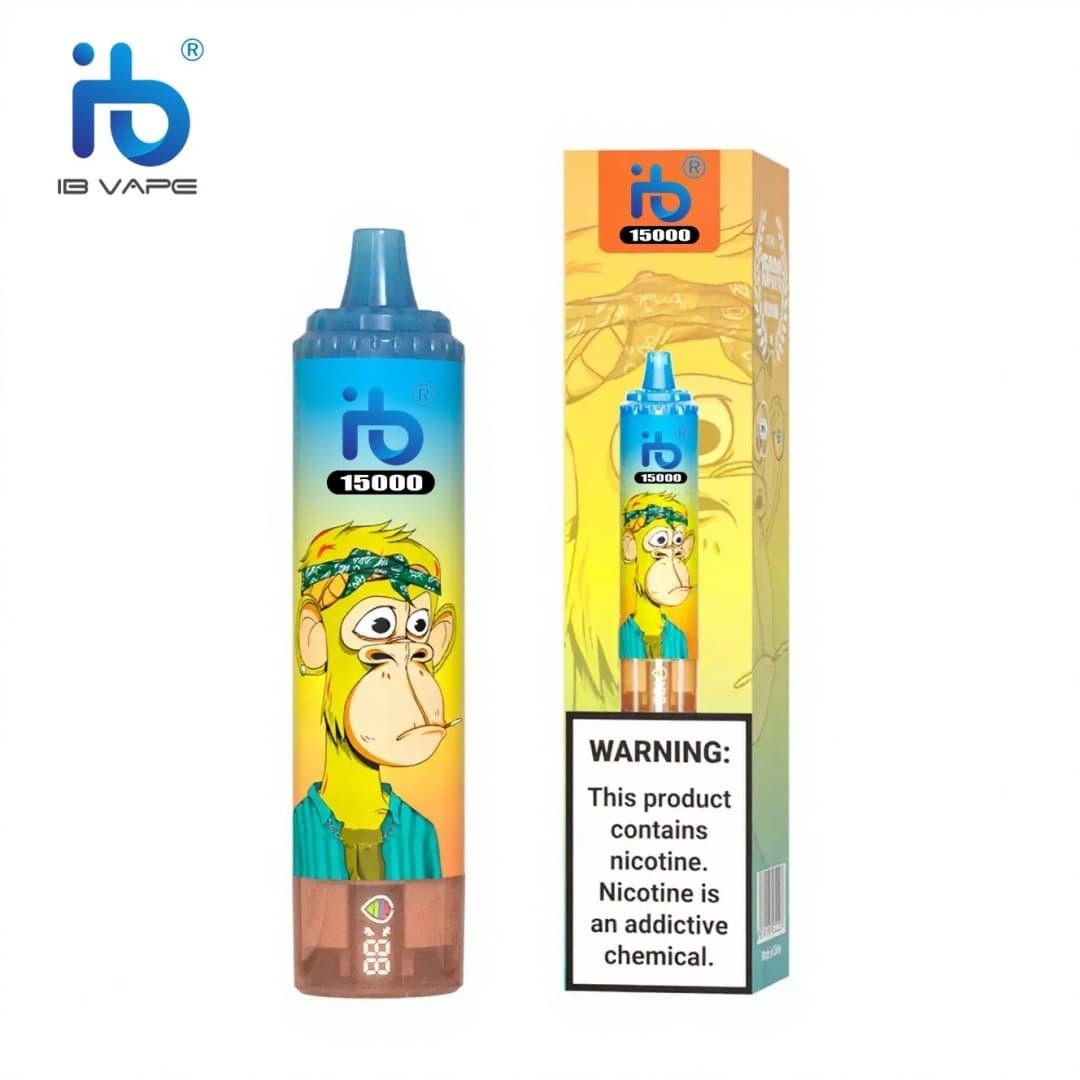
Best practices for avoiding problems
Adopt conservative, transparent behavior: declare items if required, answer questions at security politely and carry documentation. Avoid trying to sneak devices through checked baggage or disguised containers. Be proactive: email your airline or use their customer support channels to confirm allowances for your specific devices and battery capacities. For complex itineraries with layovers in countries with strict enforcement, consider shipping gear ahead or buying disposable devices at your destination from lawful vendors.
What to do if devices are confiscated
Despite careful preparation, screeners and customs officials may confiscate devices or liquids. Steps to take: obtain a receipt for confiscated items when possible, request contact details for the authority that seized them, and know your rights for appeal where available. Contact your airline’s customer relations and, if necessary, your home country’s consulate when facing fines or legal issues. Keeping purchase receipts, manuals and product labeling in your carry-on helps clarify misunderstandings quickly.
Packing suggestions from experienced vapers
Regular international vapers report that a small set of tools and a disciplined packing strategy reduces travel friction: a compact hard case for mods and batteries, silicone sleeve for spare bottles, nail clippers or small tool for closing tanks, and a compact charger that meets airline voltage standards. Place a printed note summarizing your device specs and battery capacities inside the case for security staff. Choose robust, labeled packaging to present a professional, low-risk impression during screening.
Transit and layover tips
Layovers can complicate matters — you may transit in a country with different rules even if your final destination is permissive. When booking flights, prefer single-carrier itineraries to reduce risk and inquire whether checked baggage will be transferred or re-screened during transit. When changing airports, especially between terminals or different carrier alliances, re-check liquids and devices against the next carrier’s rules.
How IBVape recommends documenting your gear
Clear documentation helps in disputes and peace of mind. Keep digital photos of devices, serial numbers and receipts in cloud storage and a physical copy in your carry-on. Label your cases and batteries with a contact email or phone number (non-sensitive information) so security personnel can return items if misplaced. If traveling with high-value mods, consider whether travel insurance covers loss or confiscation and save manufacturer warranty details.
Alternatives to traveling with your own gear
If destination rules are uncertain or restrictive, options include purchasing supplies locally from authorized vendors (if legal), traveling with only nicotine replacement therapy approved in that jurisdiction, using disposable devices designed for short-term use and compliant with airline rules, or foregoing vaping during travel and for the initial period on arrival until you’ve confirmed legality. Each option carries trade-offs in cost, convenience and compliance.
Search engine optimization and visibility tips for travel-related vaping content
For bloggers and retailers writing about travel with vaping gear, maintain clear, updated content focusing on search questions people actually ask, such as can you take e cigarettes on international flights and “airline rules for batteries.” Use structured headings (
,
,
) and emphasize key phrases within and tags to signal relevance to search engines. Include practical checklists, country-specific guidance, and sources like aviation authority pages to increase trust and shareability. For brands like IBVape, including clear product specs and packing recommendations helps customers prepare and reduces negative post-purchase experiences.
Legal and safety disclaimers
This article provides general guidance based on common practices and authoritative sources; it is not legal advice. Aviation safety and customs rules change over time and depend on your specific hardware and itinerary. Always confirm with the airline and official government sources before traveling, and prioritize safety by following battery handling best practices and fire-safety recommendations.
Final checklist before you head to the airport
- Double-check airline policy and print or screenshot relevant pages.
- Ensure all devices are clean, powered off and in carry-on.
- Pack batteries in individual insulating cases; tape terminals if necessary.
- Limit e-liquid bottles to allowed sizes and pack them in a clear bag.
- Carry receipts, manuals and manufacturer labels for unusual devices.
- Know destination rules for nicotine and vaping products and plan alternatives.
By following these measures and staying informed, you minimize the risk of delays, confiscation or fines while traveling with vaping equipment. Whether you’re a casual user or a frequent flyer, adopting standardized packing procedures and researching both carrier and destination rules turns a confusing landscape into a manageable checklist. For updated travel advice, look for reputable vendors and resources that keep pace with regulatory change — brands such as IBVape often publish travel-friendly articles and packing guides.
Further reading and resources
Official aviation authorities, major airlines’ policy pages and government customs sites are primary sources. For community insights, experienced travelers share tips on forums — but always cross-check forum advice against official rules. Keep a list of trusted links on your phone or a printed travel note so you have authoritative references when speaking with airline staff or customs officers.
FAQs
Q: Can I bring my vape in checked luggage?
No. Most airlines require electronic cigarette devices and spare batteries to be carried in the cabin only. Checked baggage is typically off-limits for lithium batteries because of fire risks.
Q: Are there liquid limits for e-liquid bottles?
Yes. In many regions e-liquids are treated like other liquids: bottles should be 100ml/3.4oz or less in carry-on and fit in a single clear bag. Larger liquids may be permitted only in checked baggage, but remember batteries and devices should not be checked.
Q: What if my destination bans vaping?
If your destination prohibits vaping products, do not travel with them. Check customs and public health regulations ahead of time and consider alternatives such as legal nicotine replacement therapies or purchasing compliant products locally where permitted.
If you want tailored packing advice for a specific carrier or route, prepare a list of your devices, battery capacities and intended e-liquid volumes before contacting customer service. Safe travels and informed preparation make international trips with vaping equipment straightforward rather than stressful — and when in doubt, reach out to reputable resources like IBVape for product-specific guidance.
) and emphasize key phrases within and tags to signal relevance to search engines. Include practical checklists, country-specific guidance, and sources like aviation authority pages to increase trust and shareability. For brands like IBVape, including clear product specs and packing recommendations helps customers prepare and reduces negative post-purchase experiences.
Legal and safety disclaimers
This article provides general guidance based on common practices and authoritative sources; it is not legal advice. Aviation safety and customs rules change over time and depend on your specific hardware and itinerary. Always confirm with the airline and official government sources before traveling, and prioritize safety by following battery handling best practices and fire-safety recommendations.
Final checklist before you head to the airport
- Double-check airline policy and print or screenshot relevant pages.
- Ensure all devices are clean, powered off and in carry-on.
- Pack batteries in individual insulating cases; tape terminals if necessary.
- Limit e-liquid bottles to allowed sizes and pack them in a clear bag.
- Carry receipts, manuals and manufacturer labels for unusual devices.
- Know destination rules for nicotine and vaping products and plan alternatives.
By following these measures and staying informed, you minimize the risk of delays, confiscation or fines while traveling with vaping equipment. Whether you’re a casual user or a frequent flyer, adopting standardized packing procedures and researching both carrier and destination rules turns a confusing landscape into a manageable checklist. For updated travel advice, look for reputable vendors and resources that keep pace with regulatory change — brands such as IBVape often publish travel-friendly articles and packing guides.
Further reading and resources
Official aviation authorities, major airlines’ policy pages and government customs sites are primary sources. For community insights, experienced travelers share tips on forums — but always cross-check forum advice against official rules. Keep a list of trusted links on your phone or a printed travel note so you have authoritative references when speaking with airline staff or customs officers.
FAQs
Q: Can I bring my vape in checked luggage?
No. Most airlines require electronic cigarette devices and spare batteries to be carried in the cabin only. Checked baggage is typically off-limits for lithium batteries because of fire risks.
Q: Are there liquid limits for e-liquid bottles?
Yes. In many regions e-liquids are treated like other liquids: bottles should be 100ml/3.4oz or less in carry-on and fit in a single clear bag. Larger liquids may be permitted only in checked baggage, but remember batteries and devices should not be checked.
Q: What if my destination bans vaping?
If your destination prohibits vaping products, do not travel with them. Check customs and public health regulations ahead of time and consider alternatives such as legal nicotine replacement therapies or purchasing compliant products locally where permitted.
If you want tailored packing advice for a specific carrier or route, prepare a list of your devices, battery capacities and intended e-liquid volumes before contacting customer service. Safe travels and informed preparation make international trips with vaping equipment straightforward rather than stressful — and when in doubt, reach out to reputable resources like IBVape for product-specific guidance.
Q: Can I bring my vape in checked luggage?
No. Most airlines require electronic cigarette devices and spare batteries to be carried in the cabin only. Checked baggage is typically off-limits for lithium batteries because of fire risks.
Q: Are there liquid limits for e-liquid bottles?
Yes. In many regions e-liquids are treated like other liquids: bottles should be 100ml/3.4oz or less in carry-on and fit in a single clear bag. Larger liquids may be permitted only in checked baggage, but remember batteries and devices should not be checked.
Q: What if my destination bans vaping?
If your destination prohibits vaping products, do not travel with them. Check customs and public health regulations ahead of time and consider alternatives such as legal nicotine replacement therapies or purchasing compliant products locally where permitted.