Understanding Liquids and Their Impact on Lung Health
In recent years, the use of electronic cigarettes has surged dramatically. With this rise, questions around how does e cigarettes affect your lungs have become increasingly important. At the core of these conversations are the Liquids used in e-cigarettes, often referred to as e-liquids or vape juices. These substances play a pivotal role in determining the degree of lung exposure to various compounds and potential health risks.
What Are E-Cigarette Liquids?
E-cigarette Liquids typically contain a mixture of propylene glycol (PG), vegetable glycerin (VG), nicotine, and flavoring agents. When heated, this solution transforms into vapor inhaled by users, replacing traditional tobacco smoke. While many perceive vaping as a safer alternative to smoking, understanding the chemical composition of these Liquids is crucial in assessing how does e cigarettes affect your lungs.
Chemical Constituents and Their Lung Impact
The primary components, PG and VG, are generally recognized as safe for ingestion but their long-term inhalation effects remain under investigation. Research indicates that heating these Liquids can release harmful substances such as formaldehyde, acrolein, and ultrafine particles. These byproducts can irritate the respiratory tract and contribute to inflammation, potentially compromising lung function.
Nicotine’s Role in Lung Health
Nicotine, a highly addictive chemical present in many Liquids , not only perpetuates dependence but also affects pulmonary health. Studies suggest nicotine exposure may impair lung immune defense mechanisms, making users more vulnerable to infections and respiratory illnesses.
Flavored Liquids and Additional Risks
Beyond the basic ingredients, flavorings in Liquids introduce an additional layer of complexity. Some flavoring chemicals, such as diacetyl, have been linked to severe respiratory conditions like bronchiolitis obliterans. While regulatory bodies are scrutinizing specific additives, users must remain aware of the potential pulmonary hazards posed by these compounds.
Long-Term Effects on Lung Function
Although vaping is relatively new compared to conventional smoking, emerging evidence indicates possible chronic effects on lung tissue. Persistent inflammation, oxidative stress, and structural changes within airway cells have been observed in some individuals using e-cigarettes. These alterations can diminish lung capacity and increase susceptibility to chronic obstructive pulmonary disease (COPD) and asthma exacerbations.
Comparing E-Cigarettes to Traditional Smoking

When evaluating how does e cigarettes affect your lungs, it is important to contrast them with combustible cigarettes. While vaping eliminates many harmful combustion byproducts like tar and carbon monoxide, it does not render the lungs entirely risk-free. The aerosolized Liquids still introduce toxins and irritants capable of damaging delicate pulmonary tissues.
Liquids and Vulnerable Populations
Young adults and individuals with pre-existing respiratory conditions should exercise particular caution due to increased susceptibility to lung damage. The developing lungs of adolescents are especially vulnerable to the effects of nicotine and inhaled chemical agents present in e-cigarette vapor.
Best Practices for Minimizing Harm
To reduce potential lung damage, users should:
- Choose Liquids
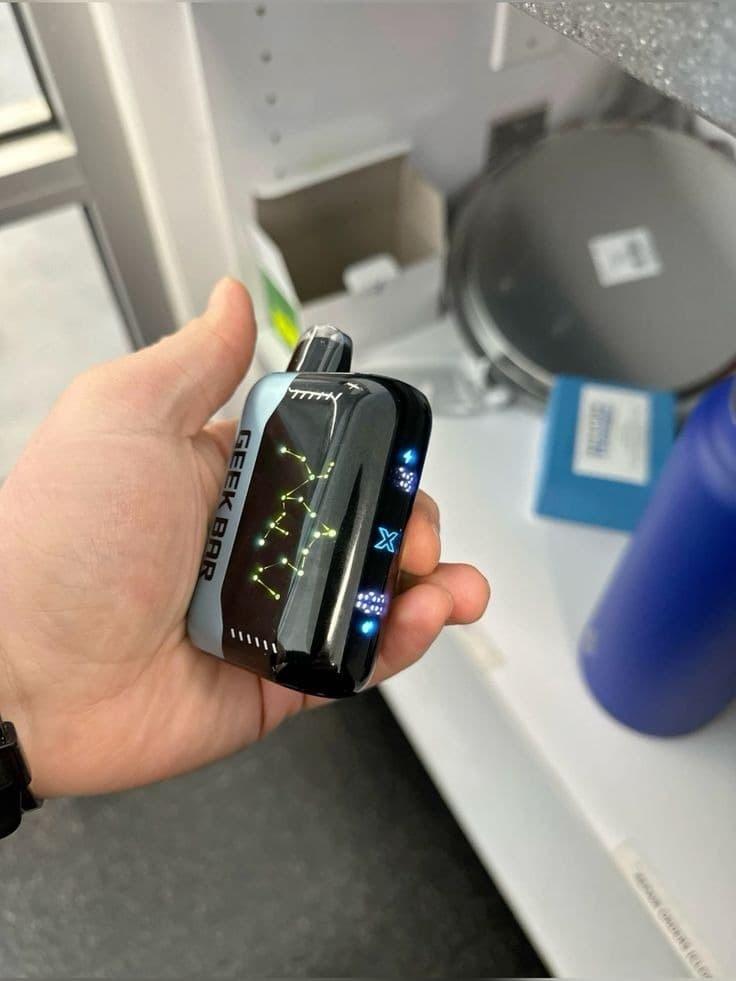 from reputable manufacturers with transparent ingredient lists
 - Avoid flavored products containing questionable chemicals
- Limit nicotine concentrations to avoid excessive exposure
- Monitor lung health regularly with a healthcare provider
Conclusion
In summary, the composition of Liquids used in e-cigarettes significantly influences how does e cigarettes affect your lungs. While vaping may offer less toxic exposure compared to traditional smoking, the inhaled substances are not without risk. Ongoing research is vital to fully elucidate the long-term pulmonary consequences of these evolving products.
Frequently Asked Questions about Liquids and Lung Health
- Are Liquids completely safe for lung inhalation?
- While food-grade components like PG and VG are generally safe to ingest, inhalation introduces new risks, including exposure to harmful byproducts generated during vaporization.
- Can vaping cause permanent lung damage?
- Emerging evidence suggests chronic use may lead to inflammation and cellular changes that compromise lung function over time.
- Do all flavored Liquids pose the same risks?
- No, certain flavoring agents may be safer than others, but some additives like diacetyl have been associated with serious lung diseases.