Understanding modern inhalation choices: a balanced look at vape
If you’ve been researching smoking alternatives, you will often encounter the term vape and an immediate comparison: are e cigarettes better than normal cigarettes? This article explores that question from multiple angles — health risks, possible benefits, device and liquid differences, population-level research, regulatory context, practical guidance for smokers thinking about switching, and the most recent scientific findings. The goal is not to provide medical advice but to translate complex evidence into clear, usable information so readers can make informed decisions.
What do we mean by vape and e-cigarettes?
In everyday language vape refers to the devices and the act of inhaling vapor produced by an electronic cigarette or similar product. E-cigarettes heat a liquid (commonly called e-liquid or vape juice) that contains propylene glycol and/or vegetable glycerin, flavorings, and usually nicotine. The heated aerosol — often mistakenly called “steam” — carries nicotine and other chemical constituents into the lungs. There are many device types: disposables, pod systems, mods, and refillable tanks. Each design affects nicotine delivery, aerosol composition, and user experience.
Comparing harms: are e cigarettes better than normal cigarettes?
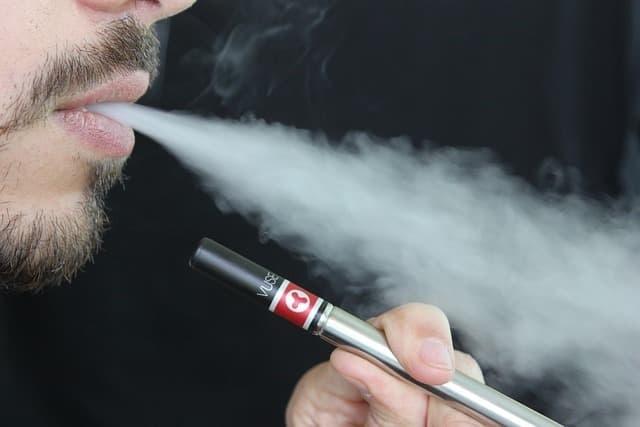
Short answer: in many but not all respects, switching completely from smoked tobacco cigarettes to using a regulated vape product appears to reduce exposure to several toxicants that cause smoking-related disease. But “better” depends on context: the user’s age, smoking history, frequency of use, and the products used. The question “are e cigarettes better than normal cigarettes” can be reframed: are they meaningfully less harmful for established smokers who quit combustible tobacco? Current evidence suggests a harm-reduction potential, but the long-term absolute risks of vaping remain under study.
Key differences in toxicants
Combustion of tobacco produces thousands of chemicals, including well-established carcinogens and respiratory toxins such as tar, carbon monoxide, and polycyclic aromatic hydrocarbons. By contrast, most e-liquids do not involve combustion, so users are typically exposed to lower levels of those specific combustion-related toxins. However, some harmful constituents may still be present in the aerosol: volatile organic compounds, metals from device components, carbonyl compounds (e.g., formaldehyde) under some heating conditions, and flavoring chemicals that can irritate airways. Overall chemical profiles differ, often with lower concentrations of known carcinogens in many vape aerosols compared with cigarette smoke, but not zero risk.
Health benefits and potential advantages
For adult smokers who completely switch to regulated vape products, clinical trials and population studies show improvements in biomarkers of exposure and some short-term respiratory and cardiovascular measures. Public health agencies in some countries recognize vaping as a potential harm-reduction tool when used as an alternative to smoking. Switching can reduce exposure to carbon monoxide and many combustion-derived toxicants, which may translate into lower risks for some smoking-related diseases over time. Additionally, many smokers report that vaping helps them reduce or quit cigarette use by providing a nicotine delivery method combined with behavioral cues (hand-to-mouth action, throat hit, flavors).
Risks, uncertainties, and special considerations
Important caveats include the following: first, e-cigarette aerosols still deliver nicotine — an addictive compound — and nicotine exposure carries cardiovascular and developmental considerations, especially for adolescents and pregnant people. Second, the long-term effects of inhaling many flavoring agents and carrier solvents remain incompletely characterized. Third, device misuse, high-power settings, and poorly manufactured products can generate higher levels of harmful by-products. Fourth, dual use (continuing to smoke while vaping) reduces or eliminates the potential benefits, because ongoing cigarette smoking maintains exposure to the most dangerous toxicants.
Youth and non-smokers: particular risks
One major public health concern is uptake among young people and never-smokers. Widespread flavor availability, social marketing, and youth-oriented devices have contributed to experimental and regular vaping among adolescents in some regions. For non-smokers, starting to vape introduces nicotine addiction and respiratory exposures that would otherwise be avoided. From a prevention perspective, keeping youth from initiating nicotine use remains a priority.
What the latest research says
Research continues to evolve rapidly. Short- and medium-term randomized controlled trials have shown that switching to e-cigarettes can be more effective than some traditional nicotine-replacement therapies for smoking cessation in adults. Cohort studies and cross-sectional surveys often find reduced exposure markers in exclusive vapers versus smokers. Large population-level models indicate potential net benefits when adult smokers switch and youth initiation remains limited, but outcomes depend on regulatory frameworks and market dynamics. Some recent longitudinal studies have raised concerns about cardiovascular and respiratory impacts with long-term vaping, but disentangling the effects of prior smoking history and dual-use patterns is challenging.
Quality of evidence
When evaluating the literature, consider study design: randomized trials offer stronger causal inference for cessation efficacy, whereas observational studies can reveal patterns and associations in real-world use but are vulnerable to confounding. Laboratory studies that analyze aerosol chemistry help identify specific toxicants, but translating dose and exposure into disease risk requires additional modeling. Regulatory science and independent research remain crucial to refine risk estimates.

Practical guidance for smokers considering a switch
If you currently smoke and are thinking about quitting, here are pragmatic steps consistent with a harm-reduction mindset: first, talk to a healthcare professional about cessation strategies. Second, if you opt to try an e-cigarette, aim for complete replacement of cigarettes rather than dual use. Look for regulated products from reputable manufacturers with clear labeling, and prefer nicotine formulations that satisfy cravings to avoid returning to cigarettes. Use behavioral support and evidence-based programs when possible. Monitor any respiratory or cardiovascular symptoms and seek medical attention if concerns arise.
Choosing devices and e-liquids wisely
Device choice affects nicotine delivery and user satisfaction. Pod systems and nicotine-salt formulations typically deliver nicotine more smoothly and can better substitute for cigarettes in some users. Avoid modifying devices or using illicit cartridges, and be cautious about extremely high-power setups unless you understand the aerosol chemistry and risks. When selecting flavors and liquids, prioritize products that follow manufacturing standards, provide ingredient transparency, and have child-resistant packaging.
Regulation, policy, and public health strategies
Responses by governments and public health bodies range widely: some adopt strategies that treat vaping as a harm-reduction tool to help adult smokers, while others focus on strict restrictions to limit youth access and safeguard public health. Effective policy tries to balance adult cessation benefits with youth protection: age restrictions, flavor limitations targeted at youth-appeal, restrictions on marketing and product standards, and robust surveillance systems. Clear, evidence-based public messaging is essential so both smokers and non-smokers understand relative risks and benefits.
Key takeaway: For adult smokers who quit combustible cigarettes completely, switching to regulated vape products can reduce exposure to many harmful chemicals present in smoke. However, vaping is not risk-free, and long-term consequences are still being studied.
Addressing common misconceptions
- Myth: Vaping is completely harmless. Fact: Vaping reduces exposure to some harmful smoke constituents but still exposes users to nicotine and other chemicals with uncertain long-term effects.
- Myth: All e-cigarettes are equally safe. Fact:
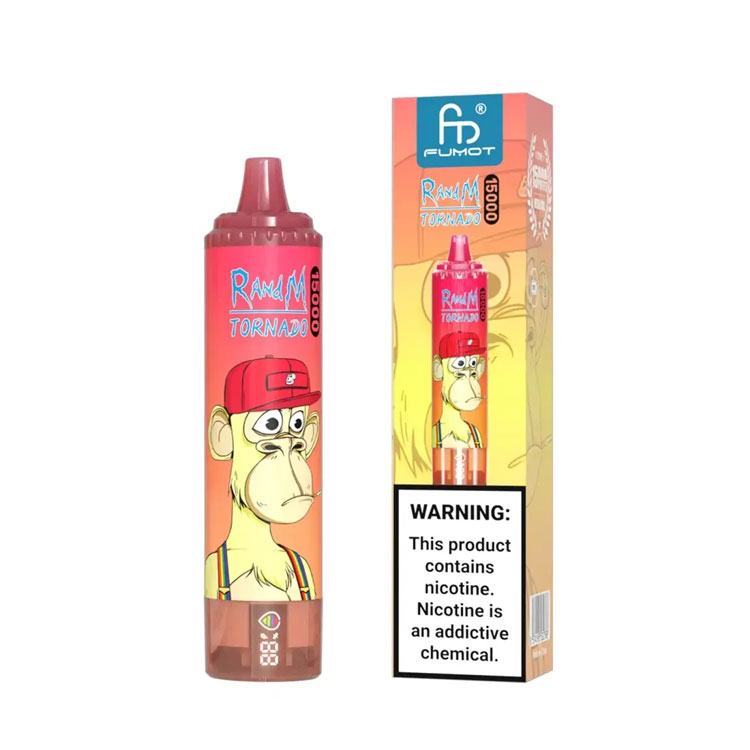 Product quality, liquid ingredients, and device settings matter; regulation and manufacturing standards affect safety profiles.
 - Myth: Vaping always helps people quit cigarettes. Fact: Some people use vaping to quit successfully, but others become dual users or stay addicted to nicotine without quitting combustible cigarettes.
Environmental and social considerations
Vape waste — disposable cartridges, single-use devices, and batteries — creates environmental challenges. Proper disposal and recycling programs are important. Socially, secondhand aerosol exposure is generally less hazardous than secondhand smoke, but public spaces often regulate vaping to protect non-users and maintain smoke-free environments.
Summary: a nuanced perspective
The question “are e cigarettes better than normal cigarettes” has a layered answer: for many adult smokers who fully transition away from combustible tobacco, vaping can be a less harmful alternative and a useful tool for quitting. For young people, non-smokers, pregnant people, and dual users, vaping carries significant risks and is not recommended. Policymakers, clinicians, and consumers should weigh benefits and harms in context, monitor new evidence, and prioritize strategies that reduce overall tobacco-related disease burden while preventing nicotine initiation among vulnerable groups.
Actionable checklist for readers
- If you smoke and want to quit, consult a clinician and consider combining behavioral support with evidence-based tools.
- If trying a vape product to quit cigarettes, aim for complete substitution and avoid dual use.
- Choose regulated products, check ingredient transparency, and avoid illicit or modified devices.
- Keep nicotine products away from children and pets; be mindful of battery safety and proper disposal.
- Follow local regulations and public health guidance on where vaping is allowed.
Ultimately, weighing whether to use a vape product requires personal risk assessment and consultation with trusted health professionals. For established smokers, the evidence supports potential harm reduction through complete switching, but for those who never smoked, starting is inadvisable. Monitoring emerging science and regulatory changes will remain important as longer-term data accumulate.
References and further reading are available from reputable public health organizations and peer-reviewed journals focusing on tobacco control, nicotine addiction, aerosol chemistry, and clinical cessation trials. Seek out systematic reviews, randomized controlled trials, and government health agency summaries for high-quality syntheses.
FAQ
A1: Many studies show lower levels of combustion-related toxicants in exclusive vapers compared with smokers, suggesting reduced risk for some lung harms, but vaping still involves inhaling chemicals that can irritate or damage airways; long-term effects are not fully known.
Q2: Can vaping help me quit cigarettes?
A2: Evidence from clinical trials indicates some vaping products can be more effective than nicotine replacement therapy for cessation in certain adult smokers, particularly when combined with behavioral support, but results vary by individual and device.
Q3: Should young people vape?
A3: No. Young people should avoid nicotine products entirely because nicotine can harm brain development, foster addiction, and lead to other health and social harms.