E-cigarettes have become increasingly popular, particularly among those attempting to quit smoking traditional tobacco products. But what exactly are in e-cigarettes? Understanding the components and ingredients in e-cigarettes is crucial for consumers who are concerned about their health and the effects of vaping.
Key Components of E-Cigarettes
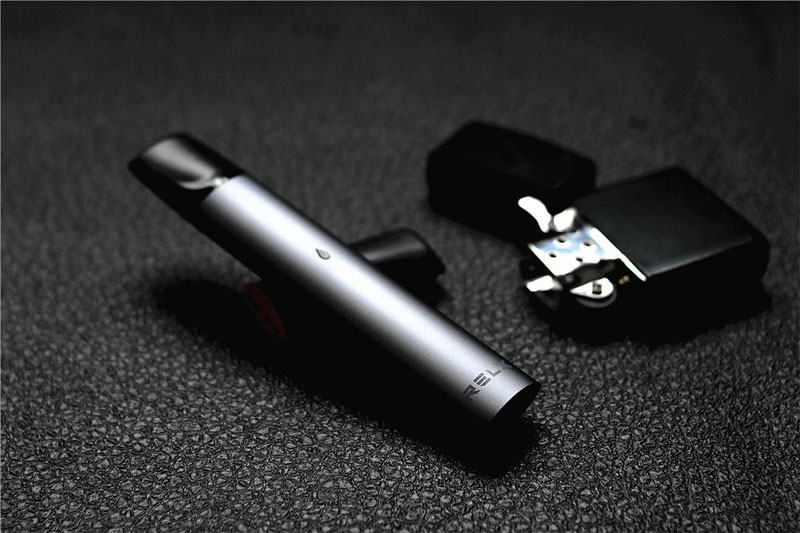
E-cigarettes, commonly referred to as vapes, typically consist of three main components: a battery, an atomizer, and a cartridge or tank. The battery powers the device, the atomizer heats the liquid, and the cartridge holds the e-liquid that is vaporized. However, it’s the e-liquid itself that raises questions about safety and contents.
E-Liquid Ingredients
The e-liquid in e-cigarettes usually contains a combination of propylene glycol, vegetable glycerin, flavorings, and nicotine, although there are nicotine-free options available. Let’s break down these ingredients:
- Propylene Glycol (PG): This substance is commonly used in food and pharmaceutical products. It acts as a carrier for flavor and provides the throat hit that many smokers desire. Its high profile in e-liquids is due to its ability to produce a vapor when heated.
- Vegetable Glycerin (VG): Known for creating large vapor clouds, VG is a thicker substance compared to PG. It’s also widely used in the food industry and considered safe for consumption. VG gives e-liquids their sweetness and viscosity, enhancing the overall vaping experience.
- Nicotine: Not all e-liquids contain nicotine, but many do, in varying concentrations. Nicotine is the addictive substance found in traditional cigarettes and is a key reason why smokers often turn to vaping as an alternative.
- Flavorings: E-liquids come in an array of flavors, ranging from traditional tobacco to fruit and dessert flavors. These are food-grade flavorings that provide the diverse taste options available to vapers.
There has been ongoing debate regarding the safety of these ingredients when inhaled over time. For instance, while PG and VG are deemed safe for ingestion, their long-term inhalation is not yet fully understood, prompting further research into potential health effects.
Additional Considerations
Besides understanding what ingredients are in e-cigarettes, it’s important to consider the quality and source of these components. The production standards and regulations of e-liquids can vary significantly between manufacturers. Opting for products from reputable brands can reduce risks associated with impurities or harmful additives.
Frequently Asked Questions
- Are e-cigarettes safer than traditional cigarettes?
- While e-cigarettes eliminate some harmful substances found in tobacco smoke, they are not entirely risk-free. Studies suggest reduced exposure to toxic chemicals, but long-term health impacts are still under investigation.
- Can e-cigarettes help quit smoking?
- Many individuals have successfully used e-cigarettes as a cessation tool, reducing their dependence on nicotine gradually. However, results can vary, and a comprehensive quit plan is advised.
- What is the legal age to buy e-cigarettes?
- In most regions, the legal age is 18 or 21, depending on local laws, reflecting the product’s potential for addiction and its appeal to younger consumers.

Understanding the composition and effects of e-cigarettes helps make informed decisions regarding their use. Continue educating yourself with current studies and research developments to stay updated on vaping safety and regulations.