The Battery
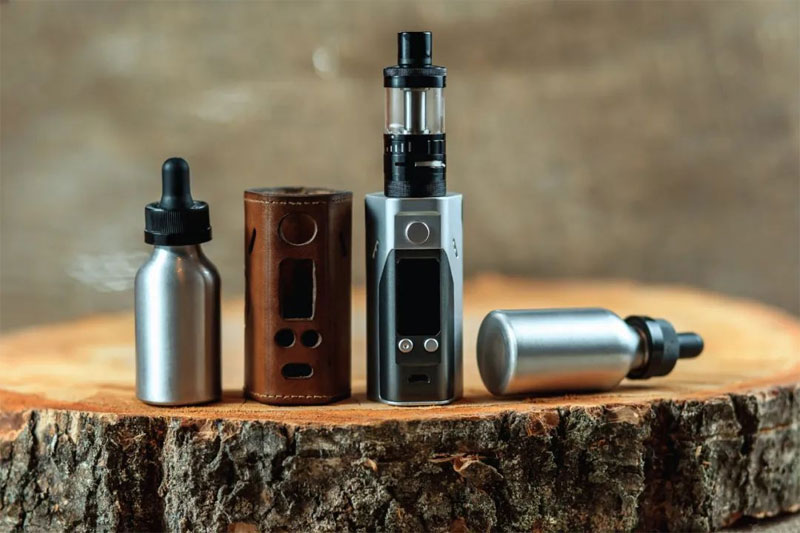
The battery is the powerhouse of the e-cigarette, supplying the necessary energy to heat the e-liquid. Most e-cigarette batteries are rechargeable lithium-ion models, known for their efficiency and longevity. Users can choose between manual batteries, which require a button press to activate, or automatic batteries that activate when one inhales from the device.
The Atomizer
Next in line is the atomizer, a vital part of the e-cigarette that transforms e-liquid into vapor. It contains a small heating coil, which vaporizes the liquid when powered by the battery. This process allows users to inhale the vapor, mimicking the sensation of smoking traditional cigarettes.
The E-Liquid Chamber
The e-liquid chamber, often referred to as the tank or cartridge, holds the e-liquid before it is vaporized by the atomizer. E-liquids come in various flavors and nicotine strengths, catering to different preferences and needs. The composition of e-liquid is usually a blend of propylene glycol (PG) and vegetable glycerin (VG), with nicotine and flavorings added.
Exploring E-Liquid Choices
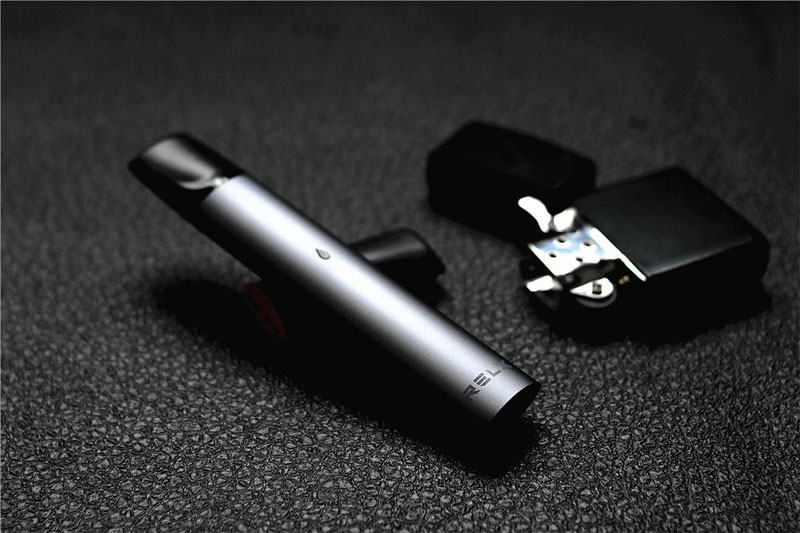
Flavors can vary widely, ranging from traditional tobacco and menthol to fruit, dessert, and candy options. This variety is one of the attractive features of vaping, allowing users to customize their experience while managing nicotine intake.
Additional Components and Accessories
Beyond the primary components, e-cigarettes can include variable voltage control, allowing users to adjust the heat level for different vapor consistency. Some advanced models may also offer features like LED indicators or Bluetooth connectivity.
Common FAQs
Q: Can e-cigarettes explode?
A: While rare, improper charging or damaged batteries can cause an underused battery to overheat. It’s essential to follow manufacturer guidelines and use the appropriate chargers.
Q: Is vaping safer than smoking?
A: Although vaping is generally considered to be less harmful than smoking due to a lack of tobacco combustion, it is not entirely risk-free. Ongoing research continues to assess potential health impacts.