Understanding the modern vape: context and key concepts
The landscape of nicotine delivery has evolved rapidly over the past decade, and among the most discussed devices is the papieros elektroniczny. Readers frequently ask, “is the electronic cigarette harmful?” and that question drives research, policy, and personal decisions. This long-form guide examines available scientific evidence, expert perspectives, consumer safety guidance, and practical recommendations for people considering or already using a papieros elektroniczny. Throughout the text, we highlight important findings and caveats so that both new users and health-conscious readers can make informed decisions.
Terminology and device basics
A clear, shared vocabulary helps when comparing studies and regulations. An electronic cigarette, commonly referred to in Polish as papieros elektroniczny, is any handheld device that heats a liquid to produce an aerosol that users inhale. These systems range from simple cigalike products to advanced refillable pod systems and box-mod devices. When asking “is the electronic cigarette harmful?” it is important to specify which type of device, what liquid (e-liquid) composition, nicotine concentration, and user behavior are under consideration.
Core components and what gets into the aerosol
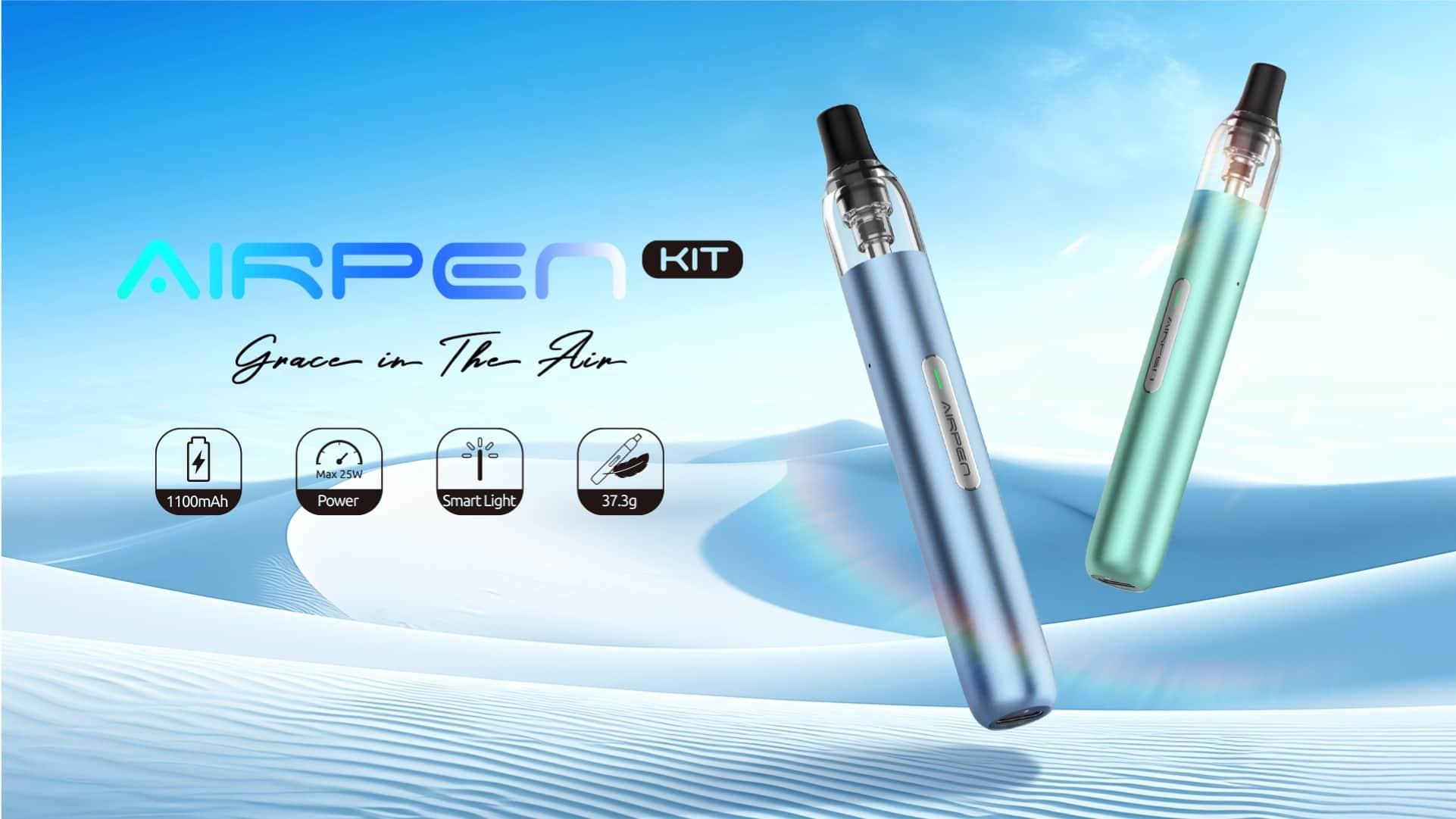
Typical e-liquids contain a carrier base (propylene glycol and/or vegetable glycerin), flavorings, nicotine in varying strengths, and minor additives. The heating element and the device’s power settings influence temperature, which in turn affects the chemical profile of the aerosol. Laboratory analyses show that aerosols can contain nicotine, volatile organic compounds (VOCs), carbonyls (such as formaldehyde and acetaldehyde under some conditions), metals from coils, and particulate matter. The presence and concentration of these constituents vary widely by product and use patterns, which complicates broad generalizations about harm.
What science says about risks compared to smoking
Many public health experts emphasize harm reduction: for established adult smokers, switching completely from combustible cigarettes to a papieros elektroniczny usually reduces exposure to some of the most toxic combustion products found in cigarette smoke. Several peer-reviewed studies indicate lower levels of certain carcinogens and tar-related toxins in exclusive e-cigarette users compared to continuing smokers. However, reduced exposure is not synonymous with harmlessness, and long-term health outcomes remain under active investigation. Thus the direct answer to “is the electronic cigarette harmful?” is nuanced: relative harm is generally lower than continued smoking but non-zero, particularly for certain populations.
Cardiopulmonary and vascular findings
Short-term studies show that inhalation of nicotine and some e-cigarette aerosols can cause transient changes in heart rate, blood pressure, and blood vessel function. There is evidence for airway irritation, cough, and in some users bronchial inflammation. Research into chronic effects—such as long-term risk of chronic obstructive pulmonary disease (COPD), cardiovascular disease, or cancer—is still evolving because widespread use is relatively recent compared to decades of research on cigarettes.
Nicotine dependence and behavioral considerations
Nicotine is addictive, and a papieros elektroniczny often delivers nicotine efficiently. For adults trying to quit smoking, some nicotine-containing e-cigarettes can be a useful transition tool when used under guidance; however, dual use (using both cigarettes and e-cigarettes) may blunt potential health benefits by maintaining continued cigarette exposure. For adolescents and never-smokers, initiation of nicotine use via a vape poses clear risks of dependence and potential gateway behavior toward combustible cigarettes for some individuals.
Population-level impacts and public health perspectives
Public health authorities weigh both individual-level harm reduction for smokers and population-level risks, including youth uptake. Many jurisdictions have implemented age restrictions, flavor limitations, advertising controls, and product standards to reduce youth appeal and misuse. In regulatory and advisory statements, leading health organizations often conclude that although vaporizers can play a role in tobacco harm reduction, they are not risk-free and should be targeted toward adult smokers seeking to quit rather than adolescents or non-smokers.
Special groups: pregnancy, youth, and people with underlying disease
Pregnant people are advised to avoid nicotine entirely because of risks to fetal development. Young people should not be using nicotine products due to developing brains and the risk of addiction. People with cardiovascular disease, respiratory conditions, or other serious health issues should discuss any use of a papieros elektroniczny with their healthcare provider because nicotine and inhalational exposures may have clinically relevant effects.
Practical harm-minimizing strategies
- Adults who smoke and cannot quit using evidence-based methods might consider switching completely to a regulated nicotine-containing papieros elektroniczny as an interim harm-reduction strategy while pursuing cessation goals.
- Avoid modifying devices, mixing unknown liquids, or using illicit cartridges; these actions increase risk, as seen in acute lung injury outbreaks linked to adulterated products.
- Choose products that comply with local regulations and safety standards, use appropriate batteries and chargers, and follow manufacturer instructions to reduce mechanical or thermal injuries.
- Limit use around non-smokers, children, and pregnant people to avoid secondhand aerosol exposure and social normalization of nicotine use.
Common misconceptions addressed
- Misconception: “Vapes are completely harmless.” Reality: They reduce exposure to many toxicants found in cigarette smoke but are not risk-free.
- Misconception: “Flavors are harmless.” Reality: Flavoring chemicals may cause respiratory irritation, and flavors increase appeal to youth, driving regulatory scrutiny.
- Misconception: “No smoke means no secondhand risk.” Reality: Exhaled aerosol contains nicotine and ultrafine particles; secondhand exposure is less well characterized than smoke but not negligible.
The essential takeaway: when asking “is the electronic cigarette harmful?” the best evidence suggests lower risk than smoking but persistent and not fully quantified harms, especially for non-smokers and vulnerable groups.
Evidence gaps and research directions
Key research needs include long-term cohort studies comparing exclusive e-cigarette users, former smokers who quit without vaping, dual users, and never-smokers; standardized measurement methods for aerosol constituents across devices and brands; and clinical trials to define the role of e-cigarettes in structured cessation programs. Policymakers and clinicians need robust data on cessation efficacy, relapse risk, pregnancy outcomes, and the chronic respiratory and cardiovascular effects of prolonged use.
Expert guidance: clinical and policy recommendations
Clinicians should assess tobacco and nicotine use comprehensively and offer proven cessation therapies first-line (e.g., behavioral counseling, FDA-approved pharmacotherapies where available). For smokers who have tried and failed conventional therapies, switching completely to a regulated papieros elektroniczny may be considered as part of a harm reduction strategy, ideally accompanied by a plan to taper and ultimately stop nicotine use. Policy approaches that balance adult cessation benefits with measures to prevent youth uptake—such as age verification, flavor restrictions, product standards, and public education—receive endorsement from many public health experts.
International regulatory trends
Countries vary in their approach: some have embraced regulated market access for nicotine e-liquids as a cessation tool, others have implemented strict bans or heavy restrictions, and many occupy a middle ground with targeted regulations (marketing limits, product standards). These differing policies reflect a tradeoff between potential benefit for adult smokers and risk for youth initiation—the same core tension underlying the question, “is the electronic cigarette harmful?”
How to evaluate product safety and claims
When assessing claims about a specific papieros elektroniczny, seek independent lab testing, compliance with recognized safety standards, and transparent ingredient labeling. Be cautious of marketing that promises “harmlessness” or plays on youth-friendly aesthetics. Verified cessation programs and licensed healthcare providers remain reliable sources of individualized advice.
Consumer-oriented checklist
- Are you an adult smoker trying to quit? Discuss cessation options first.
- If choosing a vape, prefer regulated products with clear labeling and safety features.
- Avoid black-market cartridges and do not use oils or additives not intended for inhalation.
- Monitor for new symptoms (cough, shortness of breath, chest pain) and seek medical care if they occur.
- Plan for nicotine reduction if you have successfully transitioned away from combustible cigarettes.

Concluding synthesis
Understanding whether a papieros elektroniczny is a safer alternative or an added public health concern depends on the user, the device, and the context. For adult smokers unwilling or unable to quit by other means, a regulated electronic nicotine delivery system can reduce exposure to many harmful combustion products, suggesting a relative reduction in risk compared with continued smoking. For adolescents, pregnant people, and never-smokers, any nicotine exposure is avoidable and harmful. Thus, the balanced response to the question “is the electronic cigarette harmful?” is: it can be less harmful than smoking but still carries meaningful risks that demand thoughtful regulation, consumer caution, and further research.
Resources for further information
For up-to-date guidance consult national public health agencies, peer-reviewed journals on tobacco control, and clinical treatment guidelines for tobacco dependence. Local cessation services can offer personalized plans and access to evidence-based medications and counseling.
FAQ
- 1. Are electronic cigarettes safer than traditional cigarettes?
- Evidence indicates lower exposure to many toxicants in exclusive e-cigarette users compared with continuing smokers, but they are not risk-free; long-term health outcomes require further study.
- 2. Can vaping help people quit smoking?
- Some smokers report quitting successfully using e-cigarettes, especially when combined with behavioral support, but approved cessation medications and counseling remain first-line options in many clinical guidelines.
- 3. Is secondhand aerosol dangerous?
- Exhaled aerosol contains nicotine and particulates and may pose some exposure risk to bystanders, though generally at lower levels than cigarette smoke; avoiding use around children, pregnant people, and nonsmokers is prudent.