Smart Buying Tips for Better, Safer Vaping Experiences
Choosing the right device for smooth inhalation and reliable performance requires more than impulse. Whether you’re exploring compact devices for convenience or stepping up to a more flexible mod, this comprehensive guide focuses on practical buying advice and design insights tailored for today’s discerning vaper. Throughout the guide you will find repeated references to both E-Cigarete and the phrase electronic cigarette starter kit so search engines and readers quickly find the core topics and practical recommendations.
Why the Right Choice Matters for Your Experience
Good choices reduce frustration, save money, and improve satisfaction. A well-matched electronic cigarette starter kit can make the difference between a pleasant switch from smoking and an experience that leads you back to cigarettes. This article breaks down design, performance, cost, safety, and convenience so you can compare options with confidence. We will also discuss common terms, real-world pros and cons, and provide a checklist for buying the right E-Cigarete model for personal needs.
Understanding Fundamental Components
Most devices share common parts, and recognizing them helps when comparing an entry-level electronic cigarette starter kit to more advanced systems. The essential components include:
- Battery: Capacity (mAh) and type influence runtime and weight.
- Coil or Pod: The heating element that vaporizes liquid; change frequency depends on usage and e-liquid type.
- Tank or Pod Cartridge: Holds the e-liquid; top-fill and bottom-fill designs affect convenience.
- Airflow Control: Adjustable airflow supports different inhalation styles (mouth-to-lung vs direct-to-lung).
- Charge/Protection Circuitry: Protects battery longevity and user safety.
Battery Types and Real Usage
Battery capacity is a critical shopping variable. A compact E-Cigarete often prioritizes portability and convenience over long battery life. If you prefer fewer stops to recharge, look for devices with 1500 mAh or higher. Lower-capacity batteries around 300–800 mAh are common in ultra-compact devices and pod systems included in many affordable electronic cigarette starter kit packages. Remember: higher power output drains cells faster and can alter flavor because of increased coil temperatures.
Coils, Resistance, and Flavors
Coil resistance (measured in ohms) and coil material (kanthal, stainless steel, nichrome, or ceramic) affect flavor, throat hit, and vapor volume. Lower-resistance coils produce warmer, denser vapor and suit direct-to-lung vaping, while higher-resistance coils deliver milder vapor and are ideal for mouth-to-lung styles common among former cigarette smokers. When researching an electronic cigarette starter kit, check whether coil replacements are widely available and affordable—this will significantly influence long-term cost.
Matching Device Design to Your Habits
Start by answering three core questions: How often do you vape? Do you prefer compact gadgets or customizable setups? Are you sensitive to nicotine or flavor strength? If you vape infrequently, an all-in-one pod with an integrated battery might be ideal; if you value control over wattage and airflow, a mod-style setup with replaceable coils will provide flexibility. A strong SEO practice is to highlight keywords in headings and prominent text, so note how the terms E-Cigarete and electronic cigarette starter kit have been used to guide product research.
Nicotine Strength and E-liquid Options
Nicotine selection should match your previous smoking habits and goals. Salt nic e-liquids are smoother at higher strengths and pair well with low-wattage electronic cigarette starter kit pod systems. Freebase nicotine works better with higher-wattage devices that create more vapor. For smokers trying to quit, higher nicotine levels early on may help reduce cravings, then gradually taper down. Check e-liquid ingredients to avoid unwanted additives and ensure proper labeling.
Key Buying Criteria: Checklist Before Purchase
Use this checklist to narrow choices. Each item below directly impacts daily use, cost, or health considerations:
- Device reliability: Read reviews and verify warranty/support from the manufacturer.
- Availability of replacement parts: Coils, pods, and glass tanks should be common and affordable.
- Battery life: Match capacity to your routine; look for 2+ days of typical use if you travel frequently.
- Ease of maintenance: Simple designs reduce the chance of leaks and make cleaning easier.
- Safety features: Short-circuit protection, overcharge protection, and firmware upgrades matter.
- Flavor performance: User reviews often highlight which E-Cigarete or kits produce true-to-label flavor.
- Portability: Weight, size, and carrying convenience influence everyday satisfaction.
Comparing Popular Types
There are several common device categories shoppers encounter. Each has strong and weak points:
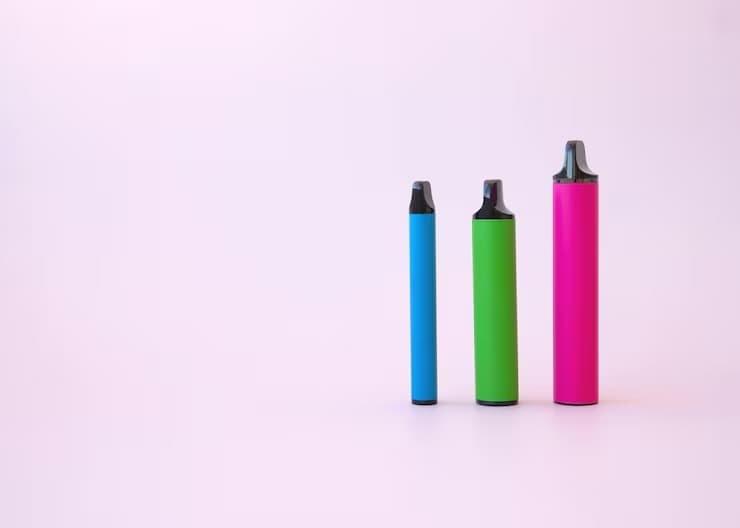
- Disposable devices: Convenient for beginners and travelers but costly long-term and wasteful.
- Pod systems: Compact, efficient, and often sold as an electronic cigarette starter kit. They balance performance and portability—ideal for those transitioning from smoking.
- Box mods: More powerful and customizable; better for experienced vapers who prioritize cloud or flavor tuning.
- Pen-style kits: Classic shape, often larger battery than pods, good for intermediate users.
For many first-time buyers a pod-based E-Cigarete or a well-reviewed starter kit delivers the best combination of convenience and performance.
Maintenance Best Practices
Simple upkeep prolongs device life: clean threaded connections, change coils regularly, store batteries at moderate temperatures, and follow manufacturer charging guidelines. Replace worn seals and O-rings to prevent leaks. These habits maintain consistent flavor and reduce waste—important for both beginners and seasoned users.
Safety and Regulatory Notes
Always purchase from reputable vendors to reduce the risk of counterfeit devices and mislabeled e-liquids. Check for CE, RoHS, or other safety marks appropriate to your region. Be mindful of local regulations: age restrictions, indoor vaping rules, and shipping restrictions on nicotine products vary significantly by country. Responsible vendors provide transparent ingredient lists and testing results—look for that information when evaluating an electronic cigarette starter kit or any E-Cigarete product.
How to Test a Unit In-Store or at Home Before Committing

Testing tips: start at low power and gradually increase; assess throat hit and flavor clarity; verify battery charge time and monitor for unusual heating; listen for rattles or poor fit which can indicate build or design flaws. If buying online, read both positive and negative reviews and check return policies—sometimes a device performs differently for you than for reviewers.
Questions to Ask Sellers
- Are replacement coils or pods included or available?
- Is the battery internal or removable, and are spare batteries recommended?
- Does the product come with a warranty and clear return policy?
- Can the seller provide test reports or certificates for the device and e-liquids?
Accessory Guide: What to Buy Alongside a Kit
Accessories improve convenience and safety. Consider:
- Extra coils or pod cartridges to avoid downtime.
- Spare chargers and cables—certified cables reduce fire risk.
- Carrying case to protect the device and e-liquid bottles.
- Battery storage sleeves for removable cells to prevent short circuits.
- Cleaning tools for mouthpieces and tank maintenance.
Common Pitfalls and How to Avoid Them
Avoid these mistakes: using the wrong wattage for a coil, using poor-quality chargers, ignoring coil lifespan, and buying unknown-brand refill liquids. These errors reduce flavor, shorten component life, and may create health risks. Always use the recommended wattage/frequency ranges specified for replacement coils and follow manufacturer instructions closely when assembling your electronic cigarette starter kit.
Making the Final Decision
Decide by matching product features to personal priorities. If convenience and discretion are essential, opt for a compact pod-based E-Cigarete. If control and big vapor matter, choose a mod with replaceable coils and adjustable settings. Prioritize safety certifications and transparent vendor policies. Use this guide as a checklist during product comparison and emphasize features that deliver consistent flavor and long-term value over novelty alone.
Real-World Examples and Scenarios
Scenario 1: Former smoker seeking convenience — a closed-pod electronic cigarette starter kit with salt nicotine offers satisfying throat hit and portability. Scenario 2: Flavor-seeking hobbyist — a mod with a rebuildable atomizer or a high-quality sub-ohm tank will deliver nuanced flavors and customizable airflow. Scenario 3: Budget-conscious traveler — a lightweight device with replaceable pre-built coils can keep costs and carry weight low. These examples help frame which features are essential based on user goals.
Checklist Summary for Quick Reference
- Identify preferred inhalation style (MTL vs DTL).
- Match battery capacity to daily use patterns.
- Verify coil availability and replacement costs.
- Confirm safety markings and vendor transparency.
- Test or review flavor performance and airflow control.
- Assess long-term cost: device price + consumables for first year.
Applying this checklist will help you find the most suitable E-Cigarete or electronic cigarette starter kit without relying on hype or unverified claims.
Terminology Glossary
MTL (mouth-to-lung): Inhale into mouth then lungs, similar to cigarette draw; often used with higher-resistance coils and nicotine salts. DTL (direct-to-lung): Inhale directly into lungs for larger vapor clouds; typically uses lower-resistance coils and freebase nicotine. mAh: milliampere-hour, a measure of battery capacity. Ohm: a unit of resistance for coils; influences heat and vapor production.
Closing Thoughts
Choosing a reliable and satisfying device is an informed process; prioritize safety, replacement-part availability, and real-world reviews. Put the checklist and product comparisons into practice so your next electronic cigarette starter kit purchase is both smart and satisfying. Remember that consistent maintenance, proper charging, and using high-quality e-liquids will extend the life of your device and keep experiences enjoyable.
Frequently Asked Questions
- What is the best starter format for a smoker switching to vaping?
- The most recommended choice is a pod-based electronic cigarette starter kit with nicotine salts; pods mimic cigarette draw and simplify maintenance.
- How often should I replace coils?
- Replace coils when flavor weakens or you notice a burnt taste—typically every 1–3 weeks depending on usage and e-liquid type.
- Are there health or safety certifications to check?
- Look for CE and RoHS marks where applicable and prefer vendors who share battery and e-liquid testing data.
- Can I travel with my device?
- Yes, but remove spare batteries from carry-on if airline rules require and keep devices powered off during flights; always check local regulations.