Understanding modern vaping devices: an introductory guide
This comprehensive explainer focuses on the inner workings and ingredients of contemporary small nicotine delivery devices, answering practical questions like papieros elektroniczny and what is in a e-cigarette in clear, search-friendly language. Readers who search for “papieros elektroniczny” will find approachable technical descriptions, and those asking “what is in a e-cigarette” will get detailed breakdowns of parts, materials, liquids, and operational principles. The goal is to blend plain-language explanations with precise component-level detail so that both curious newcomers and experienced users can better understand how each part contributes to performance, taste, and safety.
Why vocabulary matters: device categories and terminology
Vaping products come in a range of shapes and sizes — from tiny disposable devices to advanced regulated mods — and many languages use different phrases for the same concept. For SEO and clarity we will repeatedly reference two keyword phrases: papieros elektroniczny (a widely used term in Polish for an electronic cigarette) and what is in a e-cigarette (a common English information query). Using these phrases in headings, bold tags, and inline text helps search engines and readers quickly identify the article’s focus while keeping content natural and readable.
High-level anatomy: the main assemblies
The basic structure of most vaping devices can be summarized as four core assemblies: power source (battery), liquid reservoir (tank or pod), aerosol-generation system (coil/atomizer), and user interface (mouthpiece, button, airflow). Each assembly may contain small subcomponents such as connectors, seals, wicks, electronics, sensors, and decorative elements. Below we unpack each assembly and explain how it functions and how it affects the experience.
1. Battery and power electronics explained
The battery is the heart of a modern papieros elektroniczny. Most devices use rechargeable lithium-ion cells that deliver energy to a control circuit. Key battery-related terms include voltage, capacity (mAh), internal resistance, and chemistry (most commonly 18650, 21700, or integrated pouch cells). The power electronics include a printed circuit board (PCB), safety protections (over-discharge, over-current, short-circuit), a microcontroller for regulated devices, and sometimes adjustable power control (wattage or voltage). When a user activates the device, the battery supplies current to the heating element; the PCB manages this flow to produce stable power output. Battery performance influences ramp-up time, vapor production, and how long the device can be used between charges.
2. The coil, wick, and atomizer: how aerosol is generated
what is in a e-cigarette often refers to the tiny heating element known as the coil. The coil is typically a resistive wire (nichrome, kanthal, stainless steel, or specialized alloys) formed into a spiral, clapton, or mesh structure. The wick — commonly cotton, silica, ceramic, or other porous materials — draws e-liquid toward the coil via capillary action. When the coil heats, it vaporizes the liquid absorbed by the wick, creating the inhalable aerosol. The design of the coil (single, dual, mesh, or ceramic) and the wick material significantly affect flavor, throat hit, and longevity.
3. Reservoirs: tanks, pods, and cartridges
Liquid storage is provided by tanks (refillable sub-ohm tanks), pods (refillable or replaceable), or pre-filled cartridges. Tanks are often glass or plastic with O-ring seals and a fill port. Pods use magnetic or friction-fit connectors, and cartridges are sealed in disposables. Reservoir design impacts leakage risk, ease of refilling, and compatibility with different coil types.
Deep dive: what is in the e-liquid?
When people ask what is in a e-cigarette they often mean the liquid that becomes aerosol. E-liquid typically contains four main categories of ingredients: propylene glycol (PG), vegetable glycerin (VG), nicotine (optional), and flavorings. Secondary components or trace additives may include water, ethanol, citric acid, sweeteners, cooling agents, and preservatives. Each ingredient affects vapor behavior and sensory experience: PG carries flavor and throat hit, VG produces thicker vapor and smoothness, nicotine provides pharmacological effect, and flavorings define taste profiles.
Propylene glycol (PG)
PG is a synthetic, colorless liquid with a low viscosity. It is a good carrier for flavorings and contributes to the “throat hit” similar to conventional cigarettes. In blends, PG ratios offer precise flavor delivery but can be less smooth than higher VG mixes.
Vegetable glycerin (VG)
VG is a naturally derived, thicker liquid that produces dense clouds. High-VG liquids are preferred by cloud-chasers and those who favor smoother inhalation. However, VG is less efficient at delivering certain flavor compounds, so many blends balance PG and VG for optimal taste and vapor.
Nicotine forms: freebase and salts
Nicotine in e-liquids is offered as freebase nicotine (the traditional form) or nicotine salts (a stabilized form that allows higher concentrations with less harshness). Nicotine salts enable quicker absorption and a smoother experience at higher strengths, making them popular in low-power pod systems. Understanding the difference is essential for users switching from combustible cigarettes.

Flavorings and additives
Flavoring compounds are typically food-grade ingredients sourced from the flavor industry. They can be aldehydes, esters, terpenes, or other aromatic molecules. Additional additives like cooling agents (e.g., menthol derivatives), sweeteners, and acids may modify perception. Consumers and regulators often ask about safety — while many flavorings are approved for ingestion, inhalation safety data is limited for some compounds, so caution and moderation are prudent.
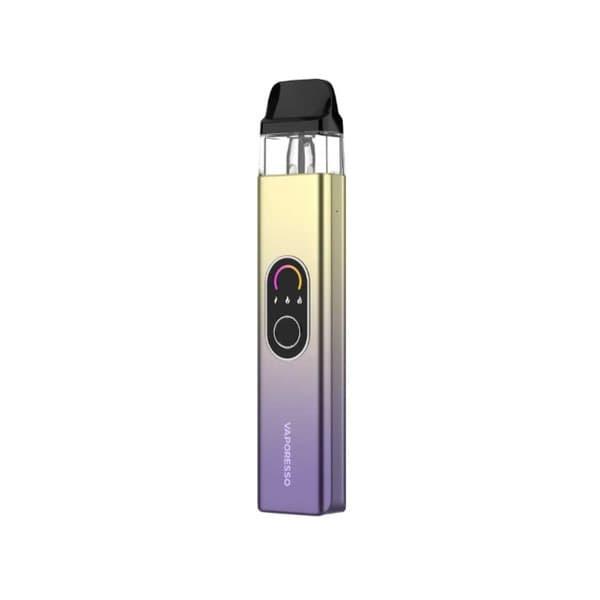
How each part works together during inhalation
Understanding the sequence helps explain how user settings or component choices change the outcome. User inhales (or presses a button) → airflow sensor or manual switch activates battery → current flows to coil → coil heats → wick transfers e-liquid to coil → liquid vaporizes → vapor travels through chimney or airflow channel → vapor exits through mouthpiece into the user’s mouth and lungs. Small changes at any step — coil resistance, wick saturation, power level, or airflow path — alter vapor temperature, density, flavor, and throat hit.
Airflow, mouthpiece design, and sensory experience
Airflow controls (adjustable slots, fixed bore) determine how much ambient air mixes with the vapor and influence the draw type: mouth-to-lung (MTL) or direct-lung (DL). MTL is similar to smoking a cigarette, typically with tighter draws and higher nicotine; DL passes more vapor into the lungs with more intense cloud production. The mouthpiece shape and internal chimney length affect cooling and flavor concentration. Designers optimize these parts to match the intended user experience for a given model.
Electronics and user controls
Modern devices range from simple draw-activated circuits to fully programmable regulated mods. Common electronics functions include wattage/voltage control, temperature control, puff counters, preheat settings, and protection features. Temperature control (TC) modes use coil characteristics to limit temperature and avoid dry puffs. Safety features prevent short circuits, over-discharge, and overheating. The presence of more sophisticated electronics allows advanced users to fine-tune performance while simpler devices prioritize convenience.
Materials, durability, and maintenance
Materials include metals (stainless steel, zinc alloy, aluminum), glass, plastic (PCTG, polycarbonate, Delrin), and ceramics. Ceramics are used in some coils or wicks for heat stability and flavor neutrality. Regular maintenance — replacing coils, cleaning tanks, wiping contacts, and checking seals — extends device life and preserves flavor. Certain build styles require users to change cotton wicks or rewick rebuildable atomizers (RBA), while closed pod or disposable systems minimize maintenance but increase waste.
Cleaning and longevity tips
- Rinse glass tanks with warm water and dry thoroughly.
- Replace coils when flavor weakens or burnt tastes occur.
- Clean 510 connectors with cotton swabs to maintain electrical contact.
- Store batteries at moderate charge levels and avoid extreme temperatures.
Safety considerations and common hazards
Battery safety is paramount: use compatible chargers, avoid damaged cells, and follow manufacturer recommendations. Risks include thermal runaway from damaged cells, leaks from compromised seals, and ingestion risk with concentrated e-liquids. Understanding resistance (ohms), power (watts), and coil compatibility prevents overheating and coil failure. Always use the right replacement parts and follow user manual instructions for charging and maintenance.
Environmental and disposal notes
Electronic components and batteries should be recycled per local regulations. Used coils, cartridges, and single-use devices contribute to electronic and plastic waste; responsible disposal and recycling reduce environmental impact. Many manufacturers are exploring recyclable pods, refillable systems, and battery take-back programs.
Comparisons: cigalikes, pods, mods, and disposables
Cigalikes mimic the size and draw of a traditional cigarette and are usually closed systems with limited battery capacity. Pod systems offer a balance of convenience and performance with refillable or pre-filled pods, often optimized for nicotine salts. Mods provide high customization, with external batteries, adjustable power, and rebuildable atomizers for enthusiasts. Disposables are single-use and increasingly feature integrated batteries and pre-filled e-liquids for convenience, though they raise environmental concerns.
Choosing the right device for you
Selection depends on user goals: nicotine replacement, flavor exploration, cloud production, portability, or simplicity. Beginners often prefer low-maintenance pod systems with moderate nicotine levels, whereas experienced users seeking performance choose regulated mods with rebuildable tanks. Factors to consider include battery life, refillability, coil options, device size, and local legal restrictions.
Common troubleshooting and fixes
Frequent issues include leaking tanks (check seals, tighten connections), burnt taste (replace coil, prime wick), weak battery performance (charge fully, inspect battery health), and poor vapor production (check coil resistance, airflow settings). A methodical approach—clean contacts, replace aged consumables, and confirm correct assembly—resolves most problems.
Resistance, power, and compatibility
Coil resistance (measured in ohms) determines current draw and heat generation. Lower-resistance coils (<1.0Ω) perform well at higher wattages and produce more vapor, while higher-resistance coils (>1.0Ω) suit mouth-to-lung devices and conserve battery. Match coil resistance with recommended wattage ranges and device capabilities to avoid damage and unsafe conditions.
Regulation, labeling, and consumer information
Products differ across jurisdictions: labeling requirements, nicotine concentration limits, child-resistant packaging, and ingredient disclosures are common regulatory measures. Understanding local rules helps users buy legal and tested products. When possible, choose manufacturers that provide batch testing, ingredient transparency, and quality assurance for e-liquids.
Myths, misconceptions, and facts
There are many myths about vaping components and e-liquid. Clarifications include: (1) Not all flavorings are proven safe for inhalation even if food-grade; inhalation introduces different exposure pathways. (2) Nicotine contributes to addiction but many health harms from smoking arise from combustion products, not nicotine itself. (3) Properly managed batteries and correctly built coils can be used safely; reckless handling or mixing incompatible components increases risk.
Emerging trends and future directions
Key developments include improved coil materials and designs (mesh and ceramic innovations), nicotine salt formulations for smoother delivery, and compact, efficient power electronics. Biodegradable pods and enhanced recycling programs may reduce environmental impact. Research into inhalation toxicology of flavoring agents is growing, and manufacturers increasingly prioritize tested ingredients and transparent sourcing to meet regulatory demands.
SEO-focused summary and final recommendations
For readers who searched terms like what is in a e-cigarette or papieros elektroniczny, the essential takeaway is this: a vaping device integrates a power source, an aerosol generator (coil and wick), a liquid reservoir, and a user interface. The e-liquid itself is a blend of PG, VG, nicotine (optional), and flavorings. Safety and enjoyment depend on matching coil resistance to power, maintaining seals and wicks, and using quality e-liquids. If your priority is simplicity and lower maintenance, choose a pod or disposable with clear ingredient labeling. If customization and performance matter most, choose a regulated mod with rebuildable options and invest time in learning coil builds and safety protocols.
Quick checklist: practical things to check before you vape
- Confirm battery charge and inspect for damage.
- Ensure compatible coil resistance for your device and desired wattage.
- Prime new coils thoroughly to avoid dry hits.
- Check O-rings and seals for wear to prevent leaks.
- Store e-liquid and devices away from children and pets.
Glossary: short definitions of technical terms
- Atomizer: The component holding the coil and wick that produces vapor.
- Coil: The resistive heating element that vaporizes e-liquid.
- Wick: Absorbent material that transports e-liquid to the coil.
- PG: Propylene glycol, thinner liquid that carries flavor and throat hit.
- VG: Vegetable glycerin, thicker liquid that increases vapor density.
- Nicotine salt: A form of nicotine that provides smoother high-strength options.
Closing thoughts: balanced, informed choices
Whether your search used the keyword papieros elektroniczny or the phrase what is in a e-cigarette, the right knowledge helps you choose safer and more satisfying options. Understand each part, maintain your device, and select quality e-liquids. If you are transitioning from combustible cigarettes, consider nicotine strength, device type, and consult health professionals if you have underlying conditions.
FAQ
How often should I change my coil?
Coil lifespan varies with usage and e-liquid composition; typically coils last between 1 week and 4 weeks. Signs of replacement include a burnt taste, reduced vapor, or darker e-liquid residue. Prime new coils and avoid chain-vaping to extend life.
Is the aerosol just water vapor?
No. The aerosol contains vaporized liquid components (PG, VG, flavorings, and possibly nicotine) and fine particles. It is not pure water vapor, and inhalation effects depend on the composition of the e-liquid.
Can I mix different e-liquids?
Mixing e-liquids is common to tailor flavor and strength, but be cautious about nicotine concentration, VG/PG balance, and potential chemical interactions with additives. Start with small amounts when experimenting.