In recent years, the popularity of e-cigarettes has skyrocketed, leading to many questions about their composition. One common misconception is that e-cigarettes contain only water and flavoring. However, this is not the case. Most e-cigarettes go beyond these two ingredients, containing a complex e-liquid that fuels the vaping experience.
Understanding E-Liquid Composition
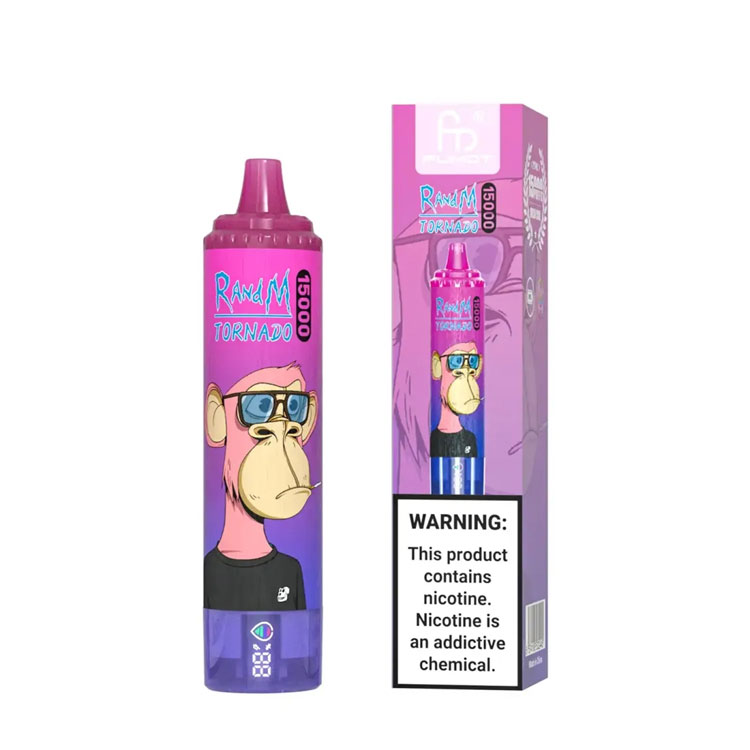
E-liquid, also known as vape juice, is a crucial component of e-cigarettes. It is a carefully crafted mixture designed to create vapor upon heating. This vapor aims to simulate the act of smoking, offering users a similar experience without combustion. E-liquid typically includes several key ingredients, beyond just “water and flavoring”.
Nicotinic Variability
The first major component in many e-liquids is nicotine, an addictive substance found in tobacco. The nicotine levels in e-liquids vary greatly, providing options for different preferences—ranging from high concentrations to nicotine-free alternatives. This flexibility allows consumers to choose products matching their desired intensity.
Main Ingredients
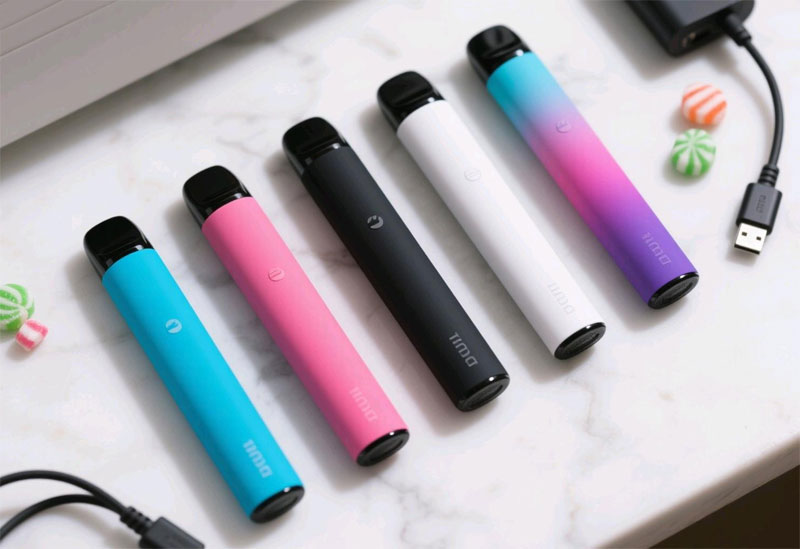
- Propylene Glycol (PG): This colorless liquid serves as a carrier for the flavor, contributing to throat hit experienced during vaping.
- Vegetable Glycerin (VG): Known for its thicker viscosity, VG generates large vapor clouds, adding a different dimension to the vaping experience.
- Flavorings: These are added to create the vast array of flavors available, from fruity to dessert-like tastes.
Water, contrary to popular belief, is not a primary element in e-liquid formulations. While some e-liquids may contain trace amounts of water, it is not a significant part of the mixture.
The Role of E-Liquid
The core function of e-liquid is to produce vapor, using a heating element within the e-cigarette device to transform the liquid into inhalable vapor. This process eliminates the need for combustion, reducing the myriad of harmful compounds produced when burning traditional tobacco. Users vape to potentially reduce health risks associated with smoking, although it’s important to acknowledge that vaping is not entirely risk-free. Potential users should weigh the benefits and risks, considering factors like ingredients and personal health impacts.
Common Questions about E-Liquid
Do e-liquids contain water?
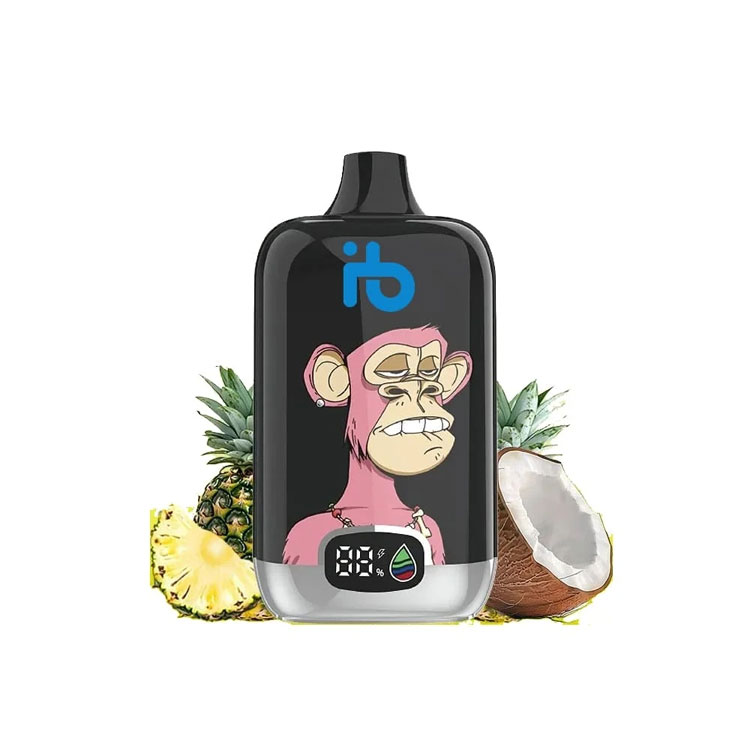
While minor amounts of water may be present, e-liquids primarily consist of propylene glycol and vegetable glycerin, alongside nicotine and flavorings.
Are all e-liquids the same?
No, e-liquids can vary significantly in terms of composition, flavors, and nicotine levels, offering a wide range of options for users.
Can e-cigarettes be used as a smoking cessation tool?
Some people use e-cigarettes to help reduce smoking habits, but the success varies. Consulting with healthcare professionals for informed guidance is recommended.
With these insights, consumers can make educated choices about their vaping habits and better understand what they are inhaling.