In recent years, the e cigarette packaging industry has witnessed remarkable innovations and design trends that have significantly impacted the market. As manufacturers and marketers seek to captivate their audience, packaging has become more than just a protective vessel; it is a crucial tool for brand communication and consumer engagement. The importance of packaging in the e-cigarette industry cannot be overstated. It plays a vital role in differentiating products, conveying brand message, and ensuring regulatory compliance.
In this context, let’s explore some of the noteworthy trends in e-cigarette packaging design that are making waves in the industry:
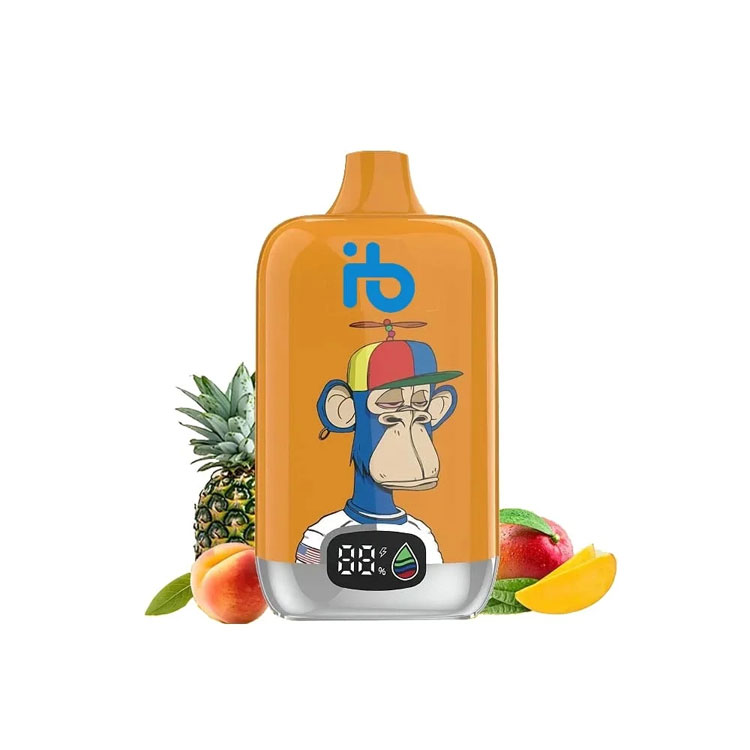
Consistency and Minimalism
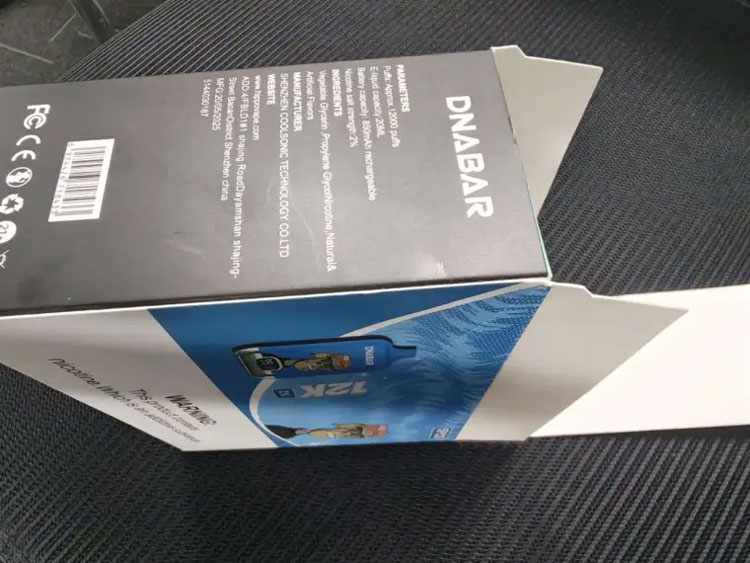
One of the leading trends in e cigarette packaging design is a move towards minimalistic and consistent designs. Brands are adopting sleek and simple aesthetics that not only look sophisticated but also align with their brand identity. This approach is particularly appealing to the modern consumer who appreciates elegance and subtlety with digital-savvy sensibilities. The use of minimalist designs also enhances readability and makes the product more accessible by emphasizing key brand elements and product information.
Use of Sustainable Materials
Sustainability is at the forefront of many industries, and the e cigarette packaging sector is no exception. Manufacturers are increasingly using environmentally friendly materials such as recycled and biodegradable options. This trend meets consumer demand for sustainability and showcases the brand’s commitment to ecological responsibility. The shift towards greener alternatives like paperboard instead of plastic is not only beneficial for the planet but also appealing to eco-conscious consumers seeking to minimize their environmental footprint.
Interactive and Smart Packaging
Another exciting trend is the integration of interactive features and smart technology within packaging. Brands are employing QR codes, augmented reality (AR), and NFC technology in their package designs to engage consumers in new and innovative ways. These features can offer added value by providing more information about the product, promoting brand storytelling, or featuring promotional activities. When consumers scan these digital elements with their smartphones, they can unlock exclusive content or learn more about their e-cigarettes.
Vibrant Colors and Bold Graphics
In contrast to minimalism, some brands are embracing bold and vibrant color schemes and graphics to make their products stand out. By using vivid colors and dynamic imagery, brands aim to attract attention and convey energy and confidence. This approach is particularly effective in a competitive market where shelf appeal plays a decisive role in consumer choices. Color psychology can also influence purchasing decisions by creating specific associations and emotions.
Personalization and Customization
Personalization is increasingly popular in consumer goods, and e cigarette packaging is no different. Custom packaging allows consumers to tailor the appearance of their e-cigarettes according to their preferences, enhancing user experience and strengthening brand loyalty. Brands are offering a customizable experience through unique designs, color variations, and packaging shapes tailored to specific needs or occasions. Such personal touches can make the product feel special and foster a deeper connection between the consumer and the brand.
FAQs
Q1: What materials are commonly used in e cigarette packaging?
A: Common materials include paperboard, plastic, metal, and sustainable options like recycled and biodegradable materials to align with eco-friendly practices.
Q2: How does interactive packaging enhance consumer engagement?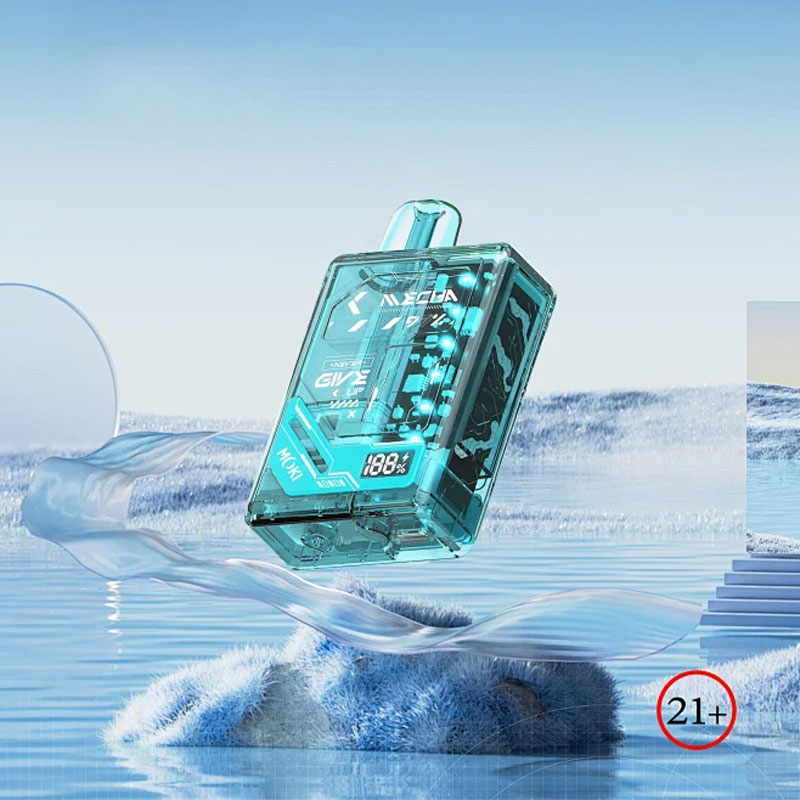
A: Interactive packaging using technologies like QR codes and AR can provide additional product information, unlock exclusive content, or offer promotional activities, thus engaging consumers beyond the traditional packaging experience.
Q3: Why is minimalism a popular trend in packaging design?
A: Minimalism is favored for its aesthetic appeal, clarity, and ability to communicate essential brand information efficiently, aligning with modern consumer preferences for sophistication and simplicity.