Smart travel guidance for IBVape users and rules about e cigarette in checked luggage
Traveling with vaping gear requires planning, awareness and a clear understanding of airline and safety rules. If you own IBVape products or similar vaping systems, this comprehensive travel-focused guide helps you navigate packing, airport screening, and international considerations with an emphasis on the phrase e cigarette in checked luggage and related best practices. The goal is to provide practical packing tips, explain regulatory realities and give IBVape-tailored suggestions to keep your journey smooth and compliant.
Why regulations matter for IBVape and e-cigarette travel
Airlines, aviation authorities and many national regulators treat devices containing lithium batteries differently from regular personal items. In most cases, powered devices such as IBVape models and spare lithium-ion cells are considered a fire risk when placed in the aircraft hold. Understanding that e cigarette in checked luggage is often restricted or expressly prohibited will reduce the chance of confiscation, fines or delays. This section unpacks the principal reasons for restrictions and how to stay compliant.
Safety and lithium battery risk
Most modern IBVape kits use rechargeable lithium-ion batteries. When short-circuited, damaged or exposed to extreme temperatures and pressure changes, lithium cells can overheat and cause fires. For safety reasons, many carriers insist devices remain in the cabin where crew can respond promptly. Therefore, packing an e-cigarette in checked luggage is usually discouraged or disallowed. Instead, keep your device and spare batteries in carry-on baggage whenever possible.
Liquid restrictions and leak prevention
Even if a given airline allowed an e cigarette in checked luggagebased on battery type, liquid cartridges and e-liquids create additional complications. Leakage during a flight or transfer can soil clothing and damage luggage and other passengers’ property. A smart IBVape traveler uses leak-proof containers, removes tanks, and secures liquid in sealed plastic bags to prevent spills.
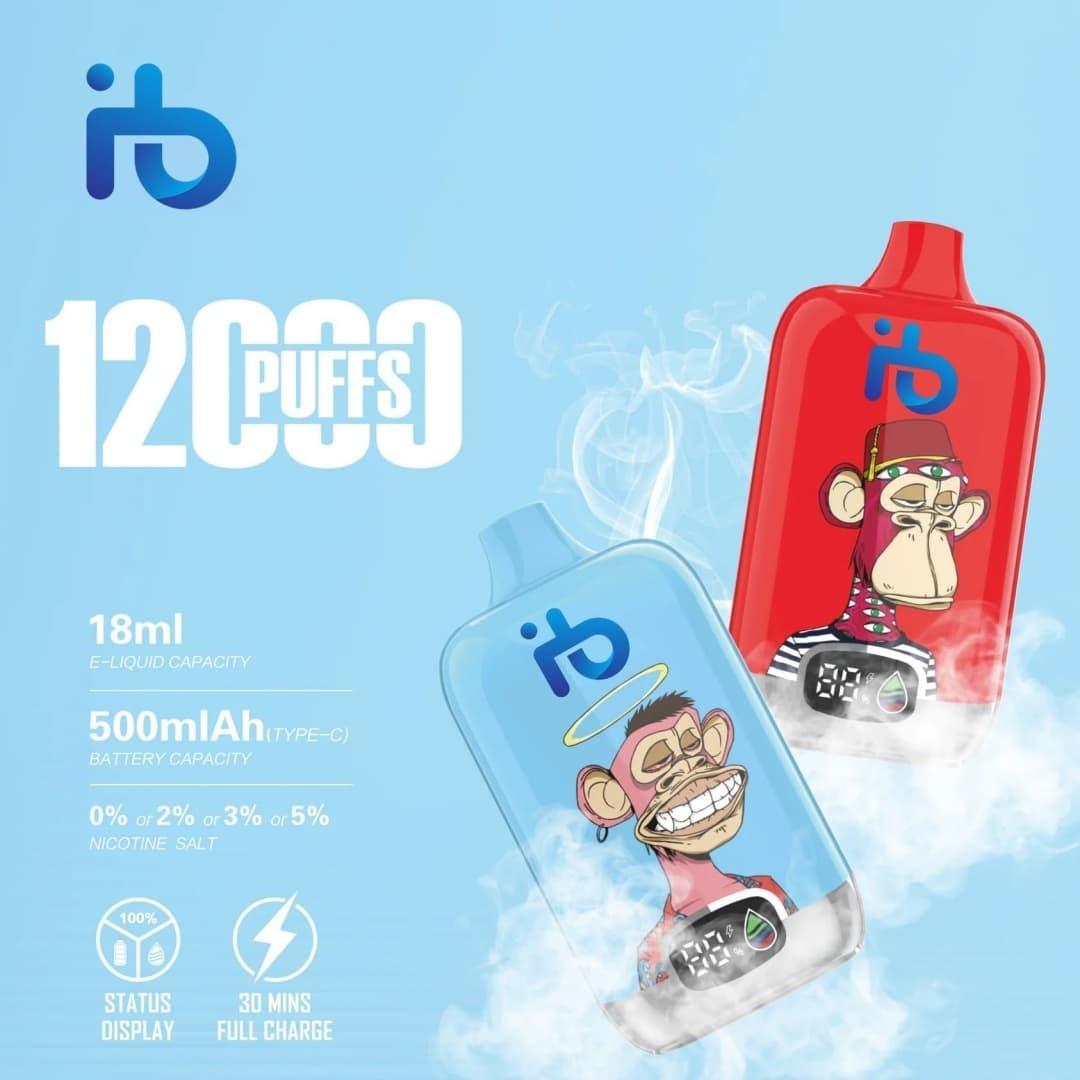
Practical IBVape packing checklist for air travel
Below is a practical checklist you can adapt before every trip. Keep this list in your carry-on and use it to conduct a quick pre-departure audit so you avoid common mistakes related to IBVape devices and the risk of placing an e cigarette in checked luggage.
- Carry-on first: Pack your IBVape device(s) in your carry-on bag(s) rather than checked baggage. This is recommended by most aviation authorities.
- Remove batteries: If your IBVape model allows battery removal, remove batteries and place them in your cabin baggage in individual protective cases to avoid short-circuiting.
- Spare batteries: Carry spare batteries in dedicated battery cases and keep terminals taped or covered. Never place loose batteries in checked bags.
- Empty tanks if needed: Consider emptying tanks to avoid leaks during pressure changes. Transport e-liquids in plastic bottles of 100 ml or less in a clear quart-sized bag if you plan to carry liquids through security.
- Original packaging: Keep devices in original boxes or protective cases that prevent accidental activation. Label boxes where permissible.
- Firmware and power: Ensure devices are powered off and secured against accidental activation. Some airlines recommend removing the atomizer when possible.
- Compliance documents: For international travel, carry proof of purchase or manufacturer’s documentation describing battery type and capacity if requested at check-in.
Understanding airline and country-by-country rules
A single universal rule does not apply worldwide. While the International Air Transport Association (IATA) and many civil aviation authorities recommend carrying electronic nicotine delivery systems in the cabin, individual airline policies, airport security rules, and national customs restrictions vary. Research your specific carrier and route well before departure. Use queries like IBVape policy and e cigarette in checked luggage combined with your airline name to locate official guidance.
Typical airline rules summarized
Although you should always confirm with your carrier, the following patterns are common and useful when packing IBVape gear: most airlines permit devices in carry-on only; spare batteries and power banks must be in the cabin and individually protected; e-liquids follow the 100 ml/3.4 oz liquid rules for carry-on; simply placing an e cigarette in checked luggage is often a violation. Keep in mind that some low-cost or regional carriers may have stricter policies.
Packing strategies for long trips with IBVape products
Long-haul or multi-leg itineraries require extra attention. Transfers and layovers increase the chance of luggage handling where an e cigarette in checked luggage could be discovered or damaged. Follow these strategies to minimize risk and maintain convenience:
- Divide essentials: Keep your primary IBVape device in your personal item and a backup or basic supplies in a second carry-on, avoiding checked baggage.
- Use modular packing: Store extra coils, drip tips and cleaning tools in small labeled containers to avoid misplacement and facilitate security inspections.
- Manage liquids: Refill e-liquids only after you pass security at the departure airport, or purchase travel-sized bottles under the 100 ml limit and keep them accessible for inspection.
- Plan for temperature: On very cold or hot flights, temperature-sensitive liquids may change viscosity. Keep e-liquid bottles insulated within your carry-on to reduce temperature extremes.
When checked luggage seems unavoidable — alternatives and tips
There are scenarios when you might feel forced to place items in checked luggage, for instance due to carry-on limits or when traveling with bulky accessories. Even so, avoid placing powered IBVape devices or spare cells in the hold. Instead consider these alternatives:
- Ship ahead: If permitted by local law, send devices or large quantities of e-liquid to your destination via courier or postal service, ensuring compliance with hazardous materials shipping rules.
- Buy locally: Plan to buy e-liquids or disposable devices at your destination. Many destinations sell nicotine delivery products locally; be mindful of flavor and nicotine restrictions.
- Drain and disconnect: If you must pack a device in checked baggage, remove all batteries and empty e-liquid tanks; however, this is not recommended and may still be prohibited by certain carriers.
Customs, import rules and destination specifics
International travel requires attention to import restrictions and local laws. Some countries ban nicotine e-liquids or restrict nicotine concentration. Others have different views on possession and sale. Research the destination’s rules with keywords such as IBVape travel rules and e cigarette in checked luggage customs. Always declare items where required and carry receipts and product information to clarify contents if questioned by customs officials.
Country examples and practical notes
As laws change frequently, examples are illustrative rather than definitive: some Southeast Asian and Middle Eastern countries have strict bans on vaping products; several European nations are permissive but enforce labeling and concentration limits; Australia and New Zealand may require prescription or specific permissions for nicotine-containing liquids. When in doubt, contact the destination embassy or official customs website.
Security screening tips at the airport
Passing security checkpoints is smoother when you organize your carry-on for inspection. Place your IBVape device, spare batteries in a clear battery case, and e-liquid containers in a single accessible compartment. When asked to remove electronic devices, present them promptly and explain clearly that the items are personal vaping equipment. Staying calm and cooperative reduces scrutiny and helps avoid delays.
Recommended gear and protective accessories for IBVape travelers
Smart accessories reduce risk and enhance convenience. Consider investing in the following:
- Protective travel case: A rigid case with foam cutouts prevents accidental activation and protects tanks and batteries.
- Battery cases and terminal covers: Prevent short circuits during transport.
- Leakproof bottles: Travel-sized, high-quality bottles for carrying e-liquids through security.
- Device locks: Some IBVape kits include locking features to prevent them from powering on unexpectedly.
How to phrase questions to airline staff and security
When communicating with airline staff or security, use clear, neutral language. Avoid ambiguous phrases that may suggest intent to circumvent rules. Helpful phrasing examples include: “These are personal electronic vaporizers and spare lithium batteries; are they permitted in carry-on?” or “I would like to confirm the policy for transporting an IBVape device and spare batteries.” If you need to discuss e cigarette in checked luggage, frame it in a compliance context: “I want to understand if checking this device is allowed or if carry-on is required.”
IBVape-specific considerations and product stewardship
IBVape users should be familiar with product-specific features like removable batteries, built-in safety circuits and firmware lock modes. Use manufacturer guidance to prepare devices for travel: enable travel or lock modes if available, remove batteries when advised, and carry product manuals or printed instructions if you anticipate detailed inspection. When brand-specific documentation is available, keep it in your pouch for presentation to officials.
Store receipts and manuals
Keep purchase receipts and manufacturer details accessible. If questioned by security or customs, having clear documentation reduces the risk of misunderstanding. Label cases and containers where appropriate to make inspection fast and obvious.
What to do if an IBVape device is found in checked luggage
If an airline or security official discovers an e-cigarette in checked baggage, the typical outcomes range from confiscation to fines depending on the airline and jurisdiction. Always cooperate and request clear instructions. If items are confiscated, ask for documentation of the seizure. This may help if you need to follow up with the carrier later.
Sample pre-flight routine for IBVape travelers
Adopt a six-step pre-flight routine to reduce the chance of problems related to e cigarette in checked luggage:
- Verify airline and destination policies online 48–72 hours before departure.
- Charge and then power off devices; enable lock or travel mode if available.
- Remove all batteries and store them in a protective battery case within your carry-on.
- Package e-liquid bottles under 100 ml in a clear sealed bag for carry-on security screening.
- Place the device in a protective case and in an accessible part of your carry-on for inspection.
- Keep receipts, manuals and a brief printed summary of device specs (battery type and capacity) on hand.
SEO-aware tips for content creators and IBVape product pages
For site owners or content creators writing about IBVape travel topics, balancing user value and search engine optimization is important. Use IBVape and the phrase e cigarette in checked luggage naturally across headings and body text, but avoid keyword stuffing. Provide authoritative references, up-to-date airline policy links, and original practical examples like packing lists. Structured content using
,
and
tags helps SEO and readability.
tags helps SEO and readability.
Use FAQs, checklists and downloadable checklists to increase time-on-page and user engagement. Where possible, include timestamps and references to official sources (IATA, FAA or regional aviation bodies) to signal trustworthiness to both users and search engines. Also consider localizing content by country for international audiences.
Final reminder: prioritize safety and compliance
At the core of any travel plan with IBVape devices is safety. Avoid placing an e cigarette in checked luggage unless you have confirmed that your specific device and battery configuration are explicitly permitted by your airline and the departure and arrival jurisdictions. The safest, most widely accepted approach is: carry your device and spare batteries in the cabin, store liquids under the permitted limits and keep documentation accessible.
Quick one-minute travel prep
Before you leave for the airport, run a one-minute check: batteries secured, tank empty or sealed, liquids packed in a clear bag, device powered off and in protective case. This rapid routine cuts stress and aligns with the most common airline policies regarding IBVape items.
Resources and next steps
For the most current details, consult your airline and official aviation authority pages. Search for up-to-date rules using targeted phrases like IBVape carry-on rules or e cigarette in checked luggage regulations plus the airline name. When in doubt, contact your airline’s customer service and request written confirmation of their policy to avoid surprises at check-in.
FAQ
Q: Can I put my IBVape device in checked baggage to save space in carry-on?
A: In most cases, no. Aviation authorities and many airlines prohibit placing devices with lithium batteries in checked baggage due to fire risk. Always check the specific carrier policy before deciding to place any vaping equipment in hold luggage; the safest option is to carry IBVape devices and spare batteries in your cabin bag.
Q: Are spare batteries allowed in checked luggage?
A: Spare lithium batteries are generally not allowed in checked baggage and should be carried in the cabin in protective cases. Taping battery terminals and using dedicated battery cases reduces short-circuit risk.
Q: What if my IBVape tank leaks during a flight?
A: To minimize leakage, empty or secure tanks before travel and use sealed travel bottles for e-liquid. If leakage occurs, inform cabin crew immediately if the item is in carry-on; report to airline staff if checked baggage is affected. Keeping liquids in sealed bags and protective packaging reduces the risk.
 IBVape packing tips for flying” />