Comprehensive Guide for Buyers and Merchants: Evaluating IBvape obchod|malaysia e-cigarette legal status 2025 and Practical Next Steps
This extensive guide focuses on helping both consumers and business owners navigate the landscape around a popular online vape source and the evolving legal picture in Malaysia — two intertwined topics frequently searched together: IBvape obchod|malaysia e-cigarette legal status 2025. The aim of this article is to provide actionable insights, risk assessments, compliance checklists, and strategic tips for sourcing, selling, and using e-cigarette products in a way that is commercially viable and legally attentive. Throughout this page you will find a balanced review of the vendor experience and a forward-looking analysis of regulatory trends in Malaysia through 2025 and beyond. The content below is optimized for discoverability, using targeted IBvape obchod|malaysia e-cigarette legal status 2025 mentions in key headings, emphasized phrases, and anchor-like markup to enhance SEO relevance while remaining readable and valuable to real human readers.
Quick summary: What this article covers
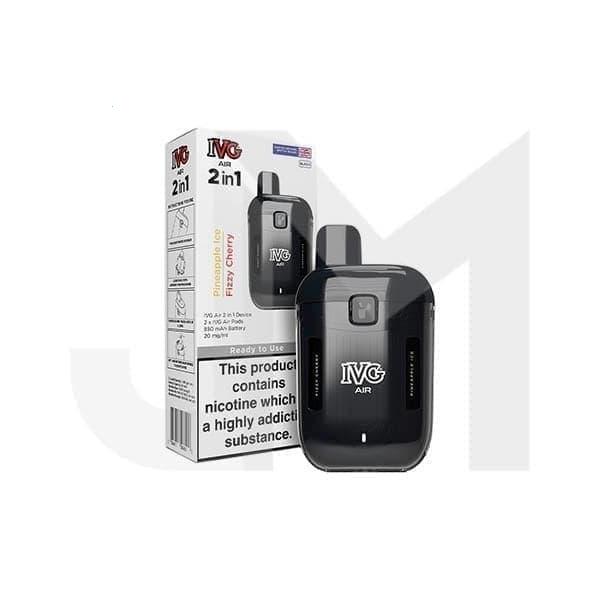
- Reputation and review of an online retailer often referred to in searches as IBvape obchod
- Detailed legal analysis and regulatory predictions for malaysia e-cigarette legal status 2025
- Practical buying tips for consumers and compliance steps for businesses
- Supply chain, customs, tax, and local licensing considerations for importers
- Risk mitigation, product safety, and labeling standards you should insist on
Why both topics matter together
When buyers search for vendor reviews and regulatory status at the same time, they seek two core assurances: trust in the supplier and clarity on local legality. That dual focus is the reason the combined keyword string IBvape obchod|malaysia e-cigarette legal status 2025 has strong search intent value. Consumers want to know whether a store like IBvape obchod ships reliably, whether products match descriptions, and whether purchases will be legally importable or usable in markets such as Malaysia. Businesses want to understand compliance frameworks, taxation, and potential enforcement actions so they can design safe market entry strategies.
Part A — Evaluating the vendor experience: what we look for in an online vape shop
Not all online sellers are equal. Whether you are buying for personal use or sourcing inventory, you should evaluate an online shop by several criteria: product authenticity, clarity of ingredient disclosure, battery and electrical safety certification, shipping options, packaging integrity, return policy, customer service responsiveness, and payment security. When researching any merchant, including those referenced by searches for IBvape obchod, consider a checklist approach to document pros and cons.
- Product authenticity and labeling: Look for full ingredient lists, nicotine strength declarations, manufacturing dates, batch numbers, and safety symbols. Authentic products often come with tamper-evident seals and readable barcodes.
- Battery and charger safety: Devices should include overcharge protection and clear warranty terms. Sellers that provide certification references (e.g., CE, RoHS, or similar regional marks) are more reliable.
- Shipping transparency: A trustworthy retailer publishes shipping costs, estimated delivery times, insurance options, and international shipping restrictions. For orders bound for Malaysia, clear information about customs and duties is a major plus.
- Customer support and returns: Check if returns are accepted for defective items and what the timeline is. Real-life buyer reviews are a critical signal — cross-check a vendor’s reviews on multiple platforms.
Using this evaluation framework, potential buyers or resellers can rank vendors and create a shortlist of suppliers that meet their risk tolerance and quality standards. For SEO purposes, authoritative content about vendor review practices can rank well when it aligns with queries like IBvape obchod and complementary legal search phrases such as malaysia e-cigarette legal status 2025.
Detailed vendor-proofing steps
- Request product documentation and certificates directly from the seller and verify them with the manufacturer.
- Order small test quantities to confirm product quality, packaging, and authenticity before placing larger orders.
- Use payment methods that allow dispute resolution, and avoid wire transfers to unknown recipients.
- Capture all communications and invoices for customs clearance and potential legal inquiries.

Part B — Malaysia e-cigarette legal status: 2025 snapshot and trends
Understanding the malaysia e-cigarette legal status 2025 requires separating short-term enforcement practices from medium-term legislative trends. Malaysia’s regulatory framework has been evolving and is influenced by public health goals, trade considerations, and international regulatory patterns. By 2025, several jurisdictions worldwide have either tightened restrictions or introduced regulated markets with licensing and product standards. Malaysia’s approach has historically combined prohibition in some spheres with increasingly specific rules in others, particularly around youth protection and import controls.
Key legal elements to monitor
- Import and customs rules: Enforcement at the border is critical — customs can seize non-compliant nicotine-containing products or devices lacking required approvals.
- Sales and distribution licensing: Some countries require retailers or wholesalers to obtain specific licenses to sell nicotine products; in Malaysia, local municipal rules and national health directives can both affect licensing needs.
- Product composition limits: Restrictions may cover nicotine strength, additives, flavor bans, and child-resistant packaging. These constraints directly influence product selection for sellers.
- Advertising and promotion restrictions: Many governments restrict marketing channels and packaging claims, including limits on health claims or youth-directed imagery.
- Taxation and excise: The introduction of excise duties or specific vape taxes increases product cost and affects margins for resellers.
For businesses planning market entry in 2025, the regulatory landscape suggests a high probability of continued tightening on product standards and traceability. That means stronger documentation, lab testing, and supply chain transparency will become competitive advantages. For consumers, staying informed about local bans, allowable nicotine strengths, and where to legally buy or use devices is essential to avoid fines or confiscation.
Practical compliance checklist for Malaysia-bound shipments
Before importing or reselling items in Malaysia, consider this checklist as a practical minimum:
- Confirm whether the product contains nicotine and in what concentrations.
- Obtain lab analysis reports for e-liquid contents and COA (Certificate of Analysis) where available.
- Retain manufacturer declarations about production standards and packaging details.
- Ensure invoices clearly show HS codes, product descriptions, and declared values for customs.
- Consult a customs broker familiar with tobacco and nicotine product classification in Malaysia.
- Prepare to register products with relevant health or trade authorities if required under new 2025 provisions.
These steps reduce the risk of seizure and help maintain continuity of supply for distributors. Remember that enforcement intensity can vary between ports, so consistency in documentation is often the most effective mitigation.
What consumers should expect when purchasing from overseas merchants like IBvape obchod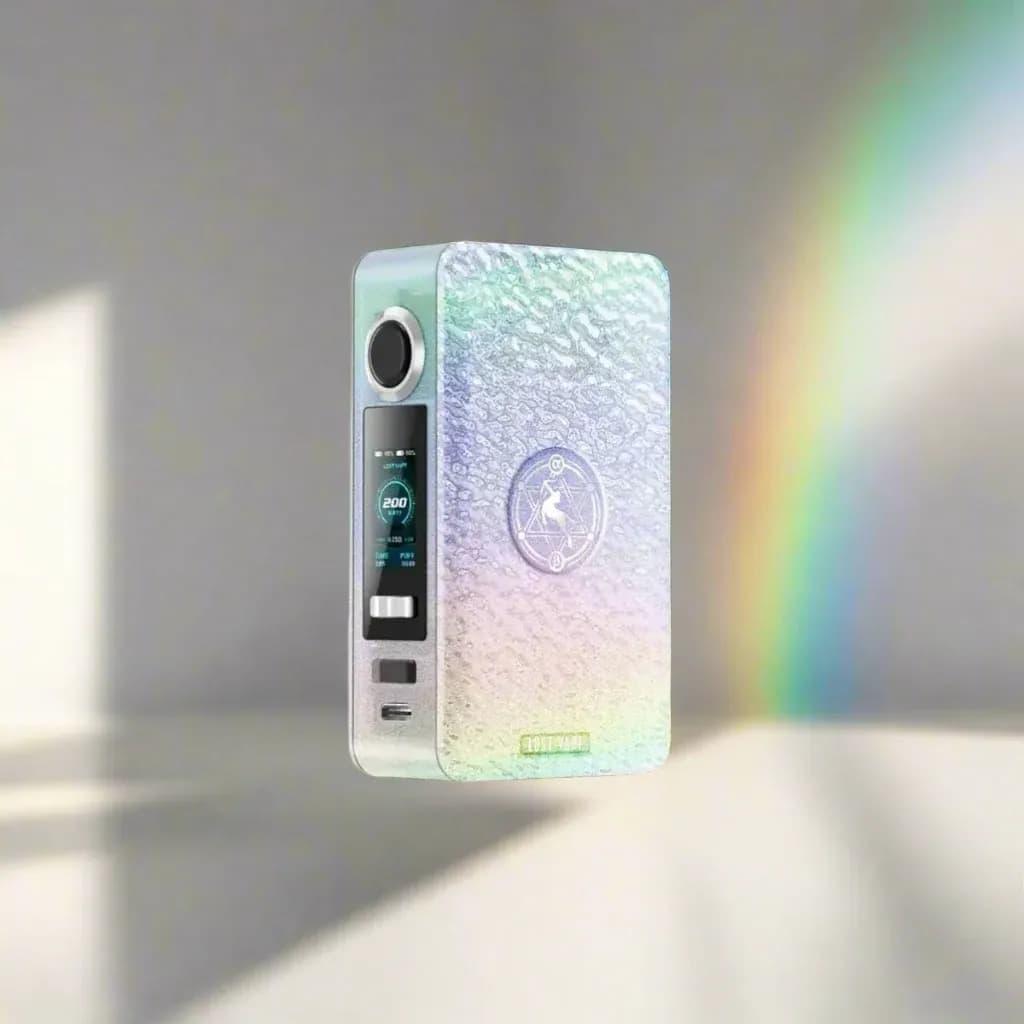
When a consumer orders from an international seller, the most common friction points are customs clearance delays, additional duties, and uncertainty about product legality. Consumers should:
- Check local laws about possession and use — possession of certain devices or nicotine e-liquids may be regulated.
- Expect customs to apply import duties or excise; have budget allowances for additional costs.
- Avoid purchasing items that include unapproved additives or nicotine strengths banned locally.
These precautions minimize unpleasant surprises when importing vape products and reduce the chance of enforcement action.
Business strategy: importing, distributing, or retailing vape products in Malaysia in 2025
For entrepreneurs and established sellers considering Malaysia as a market, a layered strategy is advisable: start with legal due diligence, followed by product adaptation, local partnerships, and controlled pilot launches. Key steps include:
- Legal due diligence: Hire legal counsel with experience in tobacco and nicotine regulations in Malaysia and Southeast Asia. Evaluate both national and municipal rules.
- Product adaptation: Modify flavors, container sizes, and labeling to match Malaysian requirements if restrictions exist.
- Local partnerships: Work with local distributors who understand last-mile compliance, retail licensing, and consumer preferences.
- Pilot launches: Test the market with small, traceable runs, gather consumer feedback, and ensure that logistics and returns can be handled without regulatory friction.
By adopting an incremental approach, businesses lower regulatory risk and build data to inform larger investments. Use thorough documentation to demonstrate compliance with any audit or customs inquiries.
Tax and pricing considerations
Depending on Malaysia’s policy direction, excise or specific vape taxes introduced by 2025 could materially affect retail price and margins. Businesses must model multiple scenarios: no tax, moderate excise, or high excise. Price elasticity analysis will dictate whether higher taxes can be absorbed by sellers or must be passed to consumers. Transparent communication about duties and taxes in online listings improves conversion and prevents disputes.
Risk management and product safety
Public health and safety concerns drive much of the regulatory attention on e-cigarette products. Companies that prioritize safety — through third-party testing, robust batch tracking, and compliance with electrical and chemical safety standards — are better positioned to navigate shifting regulations. Implement these practices:
- Require material safety data sheets (MSDS) from manufacturers and keep them on file.
- Implement batch tracking numbers and recall processes in case defects or contamination are discovered.
- Use child-resistant packaging and clear labeling to comply with likely 2025 standards.
Having a documented quality assurance program reduces liability and strengthens your brand’s reputation.
How to use SEO to reach customers searching for both vendor reviews and legal info
From an online marketing perspective, combining product reviews and regulatory guidance can capture high-intent traffic. Content that answers both “where to buy” and “is it legal?” will rank well for queries such as IBvape obchod|malaysia e-cigarette legal status 2025. Recommended SEO techniques include:
- Use long-form, well-structured content with relevant headings (
,
,
) — as used in this article — to match search intent.
- Include the combined keyword phrase and its individual parts (IBvape obchod and malaysia e-cigarette legal status 2025) naturally in headings and emphasized text, but avoid keyword stuffing.
- Provide unique, verifiable information — checklists, documented compliance steps, and first-hand review elements increase trust and reduce bounce rate.
- Use schema markup on your website to present FAQ sections, review ratings, and productOffer details (note: schema code is added on site-level; ensure it matches visible content).
High-quality backlinks from regulatory or public health resources, trade associations, and reputable vape communities will improve authority for such combined-topic pages. Transparency about sources and dates is critical when presenting legal status information because laws change frequently.
Common pitfalls and how to avoid them
Many sellers and buyers make avoidable mistakes that lead to fines, seizures, or brand damage. Common pitfalls include:
- Failing to verify product contents and nicotine concentrations;
- Under-declaring value or misclassifying goods on customs paperwork;
- Relying on ambiguous or outdated legal interpretations instead of current counsel;
- Neglecting post-sale support and documentation retention.
A proactive approach that emphasizes documentation, lawful labeling, and cooperation with customs will prevent the majority of issues.
Long-term outlook and emerging trends toward 2025 and beyond
Global trends point toward increased regulation, a focus on youth protection, and potential harmonization of certain product standards. Several developments to monitor include:
- Regulatory convergence across ASEAN countries — which affects cross-border sellers;
- Increased use of track-and-trace systems to monitor legal supply chains;
- Potential for licensure regimes for retailers and importers;
- Growing market demand for harm-reduction product alternatives subject to rigorous standards.
Businesses should anticipate stricter documentation and expect that compliant vendors — those that can provide clear certification and traceability — will gain market share as enforcement becomes more sophisticated.
Actionable checklist for buyers and merchants right now
To turn insights into action, follow this concise checklist:
- For buyers: verify vendor credentials; check product documentation; expect customs duties; avoid banned flavors or strengths; keep transaction records.
- For merchants: obtain legal advice; verify supplier certifications; maintain batch and shipping records; prepare for tax scenarios; test small and scale responsibly.
- For both: monitor official government publications and reliable trade bulletins for updates to the malaysia e-cigarette legal status 2025 framework.
Adopting these steps reduces legal exposure and supports more sustainable business practices in a rapidly changing environment.
Final recommendations and balanced perspective
While convenience and price are tempting, prioritize legality and safety. A seller that appears attractive in price but cannot provide traceable product documentation or refuses to discuss compliance details should be approached with caution. Conversely, vendors that can supply certificates, transparent shipping policies, and clear return processes are far likelier to provide a positive long-term relationship for both end-users and distributors. The combined query IBvape obchod|malaysia e-cigarette legal status 2025 reflects a real and practical search intent: people want safe, legal access to products. Meeting that need responsibly creates trust and sustainable business value.
For business owners, the most defensible strategy combines legal readiness, product quality, and transparent communication. For buyers, the most protective strategy is verification, cautious first purchases, and retention of all transactional records. Both groups should watch official Malaysian government announcements and trade news for any new measures effective in 2025.
Useful resources and next steps
- Contact a local customs broker or legal advisor with tobacco/nicotine experience.
- Request Certificates of Analysis and manufacturing declarations before large orders.
- Follow official Malaysian ministries or government gazettes for authoritative updates on the malaysia e-cigarette legal status 2025.
- Engage with industry trade groups that track regulatory changes and offer compliance support.
These resources reduce uncertainty and make market participation more predictable.
If you are comparing vendors such as IBvape obchod to other suppliers, maintain a structured scorecard with criteria discussed above: authenticity, safety, shipping transparency, and customer support. Scores should be based on verifiable evidence, not marketing claims.
Closing thoughts
This guide aimed to merge practical vendor-review criteria with an analysis of evolving legal realities in Malaysia, framed around the composite search intent expressed by IBvape obchod|malaysia e-cigarette legal status 2025. Whether your priority is a single personal purchase or a larger commercial operation, the principles are similar: verify, document, and adapt. Regulatory environments change; companies and consumers who invest in compliance and safety will face fewer disruptions and build stronger reputations.
FAQ
Q1: Is it legal to import e-cigarettes into Malaysia in 2025?
The legal status is subject to change; import rules depend on product composition and applicable permits. Many orders are at risk of seizure if they contain nicotine or fail to meet labeling requirements. Seek current legal counsel and consult Malaysian customs for the latest guidance on the malaysia e-cigarette legal status 2025.
Q2: Can I trust online reviews of vendors like IBvape obchod?
Use multiple verification methods — cross-check reviews across platforms, request documentation from the seller, and order small test shipments before committing to larger purchases. Authentic vendors will provide certifications and transparent shipping terms.
Q3: What should merchants do to minimize customs problems?
Ensure accurate HS codes, full documentation, Certificates of Analysis, clear invoices, and use an experienced customs broker. Transparent declaration and correct duties paid reduce seizure risks and delays.