Economical Vaping Essentials: Smart Choices for Cost-Conscious Users
If you’re exploring affordable vaping and practical ways to save without compromising quality, this comprehensive guide offers an evidence-based look at common misconceptions and real facts. Savvy users who search for terms like Gazdaságos E-Cigi or ask questions such as do most e cigarettes contain only water and flavoring will find clear explanations, actionable tips, and safety-oriented advice that balances economy with performance.
Why “economical” doesn’t mean “cheaply made”
There is a wide range of options from basic disposables to refillable pod systems and rebuildable mods. A truly economical approach considers long-term cost-per-puff, maintenance, and spare-parts availability. For consumers concerned about ingredient simplicity — for example wondering whether do most e cigarettes contain only water and flavoring — we dissect the typical e-liquid formula and explain why the answer is no, and what that means for your wallet and health.
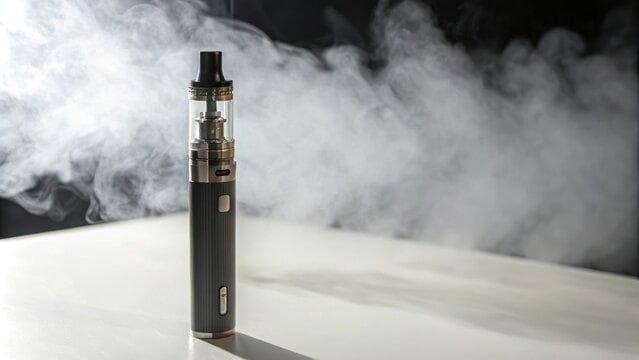
Basic anatomy of an e-cigarette and how it affects cost
- Battery: Cells and battery management systems vary. Choosing a reliable but affordable battery can prolong device life and reduce replacement frequency.
- Atomizer/Coil: Coil longevity is a major recurring expense. Rebuildable coils often cut costs for technically skilled vapers.
- Tank/Pod: Refillable tanks typically offer the best value over time compared with prefilled disposables.
- E-liquid: The composition, nicotine concentration, and flavor intensity determine price and user satisfaction.
What e-liquids really contain — debunking the “just water and flavor” myth
A typical e-liquid is a carefully formulated blend of carrier liquids, flavorings, and often nicotine. Contrary to the simplified claim that most e-cigarettes use only water and flavoring, common bases include propylene glycol (PG) and vegetable glycerin (VG). These two liquids serve specific roles: PG carries flavor efficiently and produces a stronger throat hit, while VG creates denser vapor and has a naturally sweet viscosity. Water may be present in small amounts to adjust viscosity, but it is not the main carrier in most commercially available e-liquids. In short, the statement do most e cigarettes contain only water and flavoring is misleading.
Primary e-liquid components explained
- Propylene Glycol (PG): A clear, odorless liquid used as a flavor carrier and to mimic the throat sensation of smoking. PG is widely used in food and pharmaceutical applications.
- Vegetable Glycerin (VG): Thicker and sweeter than PG, VG is responsible for cloud production. Higher VG blends are common in sub-ohm and cloud-chasing contexts.
- Nicotine (optional): Available in multiple forms and strengths. Freebase nicotine and nicotine salts deliver different experiences; salts typically provide smoother throat hit at higher concentrations and can be more satisfying with low-power devices.
- Flavorings: Food-grade flavor concentrates derived from natural and artificial sources. Quality and safety can vary by manufacturer.
- Minor additives: Some e-liquids include organic acids (to stabilize nicotine salts), sweeteners, cooling agents like menthol or WS-23, and occasionally preservatives or colorants.
Bottom line: most commercially sold e-liquids contain PG and/or VG as the main carriers, with flavoring and optionally nicotine. Water alone is rarely the dominant component.
Why ingredient detail matters for economy and safety
Knowing what’s in your e-liquid helps you optimize purchases. For instance, high-VG blends may be more viscous and use coils faster in certain devices, increasing maintenance costs. Conversely, nicotine salts let many users satisfy cravings with smaller e-liquid volume, which can reduce long-term spending. Choosing the right balance — and buying from reputable vendors — prevents overrated savings that come with hidden risks.
How to identify quality ingredients and avoid hidden costs
- Look for third-party lab testing (COA) that verifies nicotine concentration, absence of contaminants such as heavy metals and pesticides, and accurate flavoring composition.
- Buy in larger bottles or refillable systems when feasible: the cost per milliliter typically drops significantly.
- Choose devices with replaceable coils and easily sourced parts to avoid the premium charged for proprietary pod replacements.
- Avoid unknown “ultra-cheap” e-liquids and counterfeit hardware — short-term savings can lead to faster device failure and health concerns.

Energy efficiency and battery economics
Battery capacity, charging habits, and device efficiency affect maintenance costs. A well-managed battery reduces the need for frequent replacements, and devices with efficient chipsets convert more stored energy into usable vapor rather than heat loss. Tips: use the correct charger, avoid deep discharges, and store batteries at moderate charge and temperature to extend lifespan.
Choosing the best economical setup for different user types
Different vaping behaviors demand different economical strategies:
- Former smokers seeking nicotine replacement: Low-power pod systems with nicotine salts can be the most cost-efficient and satisfying in terms of nicotine delivery per milliliter.
- Cloud chasers or hobbyists: Rebuildable atomizers (RDAs/RDTAs) and bulk-purchased high-VG e-liquids reduce cost-per-puff over time but require skill and initial investment.
- Casual vapers: Refillable pen-style devices hit a sweet spot between ease of use and running costs.
DIY e-liquid mixing: greater savings, higher responsibility
For those comfortable handling ingredients, mixing your own e-liquids can significantly reduce expenses. However, it demands precision, sterile technique, and access to pharmaceutical-grade components. Improper nicotine handling or inaccurate dilutions can be dangerous. If you choose to DIY, invest in a digital scale, quality syringes, and follow established calculators and safety protocols.
Regulatory and labeling considerations that affect price and quality
Labeling laws, taxation, and market restrictions vary by country and influence retail price. Some jurisdictions require extensive testing and child-resistant packaging, raising manufacturing costs but also increasing consumer confidence. A product labeled with complete ingredient transparency and validated lab results may cost more upfront but often represents a superior long-term value and reduced health risk.
Understanding aerosol chemistry: heating matters
Devices heat liquids to produce aerosol, and chemistry changes during heating. Thermal degradation can generate byproducts not present in the stored liquid. Coil material, temperature control, and wicking behavior affect what ends up in the vapor. Thus, a simple inventory of ingredients in the bottle does not tell the whole story about exposure during use.
Safety practices that keep both users and budgets safer
- Replace coils before they burn flavor or accumulate residue; burnt coils can lead to wasted liquid and disappointing sessions.
- Use recommended wattage ranges to avoid dry hits and premature coil failure.
- Store e-liquids and batteries properly to prevent leaks, contamination, or thermal stress.
- Choose devices with safety protections (overcharge, short-circuit, temperature limits).
Common myths and the reality behind them
Myth: e-liquids are mostly just water and flavor. Reality: PG and VG are dominant carriers; water is present in varying small amounts. Myth: cheaper e-liquids are always safe. Reality: low prices can mean cut corners on ingredient purity or testing. Myth: all vaping is equally risky. Reality: device type, user behavior, and product quality make a big difference.
Practical tips for maximizing value
- Buy bulk or larger sizes from trusted brands for consistent flavor and verified ingredient lists.
- Consider nicotine strength and form — nicotine salts can lower total consumption for some users.
- Maintain your device: proper cleaning and wicking reduce wasted liquid and extend coil life.
- Evaluate total cost per puff, not just sticker price: factor in coil lifetime, pod replacements, and energy use.
How to evaluate claims like “only water and flavoring”
Critical steps for consumers: read labels, request certificates of analysis, verify vendor reputation, and search independent lab reports. If a product repeatedly uses vague language like “simple ingredients” without transparency, treat the claim skeptically. Search engine queries for Gazdaságos E-Cigi and the question do most e cigarettes contain only water and flavoring often lead to both marketing and technical sources; prioritize peer-reviewed studies, regulatory agency notices, and reputable testing labs.
Environmental and disposal concerns
Economical vaping also includes responsible disposal. Batteries and electronic components require recycling. Disposable devices may be convenient but tend to be worse for waste and often cost more per puff. Refillable systems, when paired with proper recycling of batteries and e-liquid bottles, reduce environmental footprint and long-term expense.
Real-world comparisons and sample calculations
Example: a moderate vaper using a refillable pod with 10 mL per week vs. disposable packs can save a significant amount annually; add in reduced coil costs with a rebuildable system and DIY e-liquid, and yearly savings can multiply. Use calculators available online to estimate cost-per-month based on your typical nicotine level, device efficiency, and preference for VG/PG ratios.
Final recommendations for value-focused vapers
Balance your priorities: if nicotine satisfaction matters most, choose a device and e-liquid that deliver efficiently even if unit price is higher. If pure cost-per-puff is the goal, invest time in learning coil rebuilding and bulk e-liquid procurement. Never sacrifice validated ingredient transparency for the lowest price.
Key takeaways
Accurate, simple answers: the statement that most e-cigarettes contain only water and flavoring is incorrect; typical e-liquids rely on PG/VG carriers, flavorings, and often nicotine. For those searching terms like Gazdaságos E-Cigi or wondering do most e cigarettes contain only water and flavoring, the practical implication is to prioritize reputable products, transparent labeling, and device choices that minimize recurring costs while maximizing satisfaction and safety.
Further reading and resources
 Gazdaságos E-Cigi guide do most e cigarettes contain only water and flavoring debunked for savvy vapers” />
- Peer-reviewed articles on aerosol chemistry and thermal degradation
- Regulatory guidelines from national health agencies
- Consumer lab testing reports and certificates of analysis from trusted vendors
Checklist for buying economical and safe e-cig products
- Does the product include a full ingredient list? (Look for PG/VG ratios)
- Are third-party lab results publicly available?
- Is the device repairable or are parts affordable?
- Do replacement coils or pods have reasonable availability and price?
- Is the battery spec appropriate and safe for the device’s intended use?
Practical maintenance schedule
Weekly: clean tank and contacts. Biweekly: inspect coil and replace when flavor weakens. Monthly: deep clean device and evaluate battery performance. Adhering to a schedule prevents wasted e-liquid and unexpected expenses.
Gazdaságos E-Cigi is more than a label — it describes a strategy: informed buying, consistent maintenance, and choosing devices and liquids that match your needs so you pay less over time without compromising quality. do most e cigarettes contain only water and flavoring — clearly not; understanding that reality helps you make smarter, safer, and more economical choices.
FAQ
Q1: Are refillable devices always cheaper than disposables?
Answer: Generally yes over the long run; refillables require an initial investment but reduce cost-per-puff and waste. However, true savings depend on usage patterns, local prices, and whether you opt for premium e-liquids or DIY mixing.
Q2: Can I mix my own e-liquid to save money?
Answer: Yes, but only if you follow safety protocols. Proper scales, pharmaceutical-grade ingredients, and careful calculations are essential. DIY can reduce costs substantially but increases personal responsibility and potential risk if done incorrectly.
Q3: Should I trust marketing claims that omit ingredient details?
Answer: No. Transparent labeling and third-party testing are the best indicators of trustworthiness. Skepticism is warranted when claims are vague or ingredients are not fully disclosed.