Menthol e-cigarettes have become an increasingly prominent feature in the landscape of vaping, drawing attention for their unique flavor profile and market appeal. As tobacco companies pivot towards smokeless alternatives, menthol e-cigarettes stand out both for their refreshing taste and their impact on public health and regulations.
Understanding Menthol E-Cigarettes
Menthol, known for its cooling sensation, is a compound found in mint plants and synthesized for use in various products. In e-cigarettes, menthol serves as a flavoring agent that is often perceived to be more soothing compared to traditional tobacco flavors. This distinct characteristic has enabled menthol e-cigarettes to capture a significant share of the market, especially among younger demographics.
Market Trends and Demographics
The popularity of menthol e-cigarettes can be attributed to targeted marketing strategies and consumer perceptions. Marketing often emphasizes the invigorating experience of menthol, which appeals to both new and seasoned users. Studies indicate younger users are more likely to experiment with menthol e-cigarettes, potentially due to the flavor’s milder throat hit and attractive marketing.
Regulatory bodies, recognizing this trend, have placed menthol e-cigarettes under scrutiny. The debate centers on whether flavored e-cigarettes, particularly menthol, act as a gateway for nicotine addiction and subsequent chronic smoking habits. Therefore, comprehending these market dynamics is crucial for shaping effective public health policies.
Health Implications
Concerns about menthol e-cigarettes primarily focus on their health effects and the potential for addiction. While vaping is generally seen as less harmful than traditional smoking, the presence of nicotine in menthol e-cigarettes raises questions about long-term dependency and health outcomes. The cooling effect of menthol may also obscure the irritation caused by nicotine, encouraging deeper inhalation and potentially increasing exposure to harmful substances.
Regulation and Policy
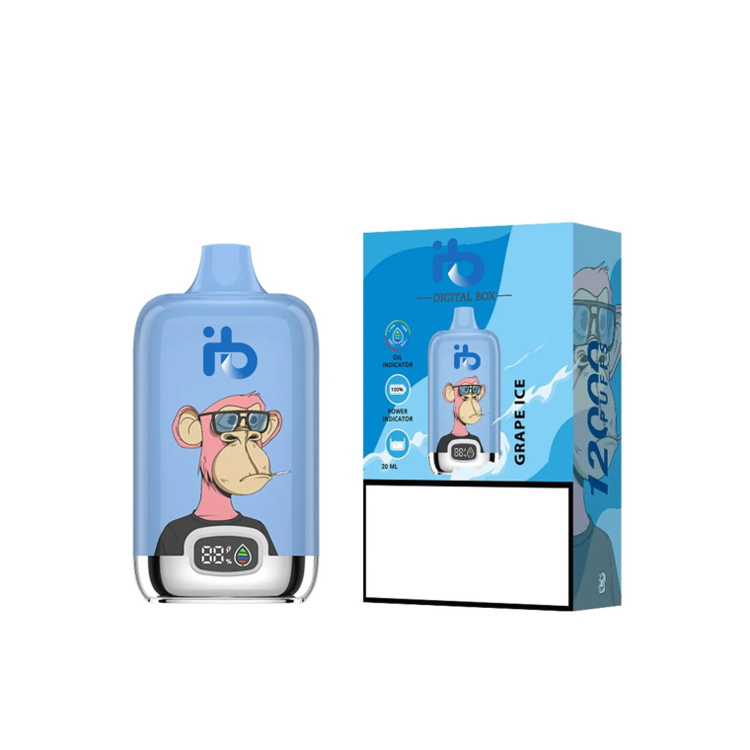
As governments worldwide tighten regulations on tobacco products, menthol e-cigarettes face similar scrutiny. Some regions have enacted bans or restrictions specifically targeting menthol flavors to curb their appeal among young users. This presents a challenge for both manufacturers and consumers, necessitating innovation in product offerings and a reevaluation of marketing strategies.
One perspective argues for the educational approach, emphasizing awareness campaigns over outright bans. These initiatives aim to inform users about the potential risks associated with menthol e-cigarettes, fostering better decision-making and reducing initiation rates among young users.
Conclusion
Menthol e-cigarettes represent a pivotal segment in the ongoing dialogue about the future of vaping and tobacco alternatives. As they navigate the complex web of consumer preferences, health implications, and regulatory challenges, stakeholders must collaborate to ensure these products are both safe and appropriately marketed. This collaboration is key to unlocking potential public health benefits while managing risks.
FAQ
- Are menthol e-cigarettes safer than regular cigarettes?
No tobacco product is completely safe, but switching to e-cigarettes may reduce some health risks compared to smoking traditional cigarettes. However, the presence of nicotine still poses addiction risks.
- Why are younger people more attracted to menthol flavors?
The cooling sensation and smoother throat hit of menthol flavors, alongside targeted marketing, tend to appeal more to younger users who might find traditional flavors too harsh.
- What regulations impact menthol e-cigarettes?
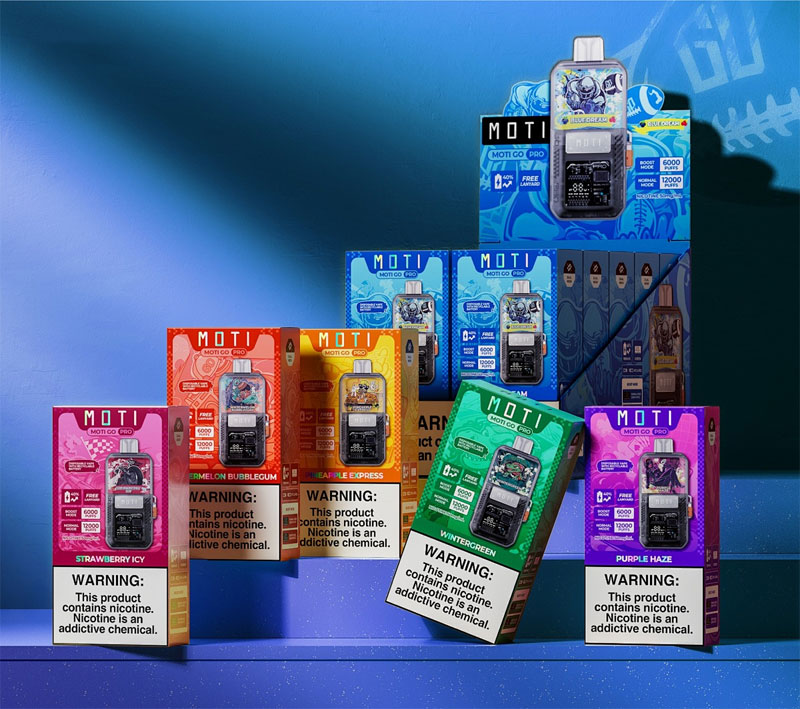
Many regions have started imposing restrictions on flavored e-cigarettes, including menthol, to limit their accessibility to minors and address health concerns.