Vapes and e-cigarettes, while sharing similarities, possess distinct characteristics that set them apart in the realm of nicotine consumption. To delve into their differences and similarities, we must first define these terms. The keyword “are vapes e cigarettes” prompts this exploration, allowing us to understand both devices’ functionality and their impact on the market.
Definitions
Vapes, typically larger devices, require e-liquid and often include customizable features. Conversely, e-cigarettes mimic the look and feel of traditional cigarettes. They are generally smaller, making them more accessible to those transitioning from smoking. Both, however, heat a liquid to create aerosol vapor that the user inhales.
Similarities

- Both vapes and e-cigarettes are forms of electronic nicotine delivery systems (ENDS), designed as alternatives to conventional tobacco smoking.
- They function by vaporizing e-liquid, providing the user with a nicotine hit without combustion.
- Their marketing often targets individuals seeking smoking cessation, although their effectiveness in this area remains contentious.

Differences
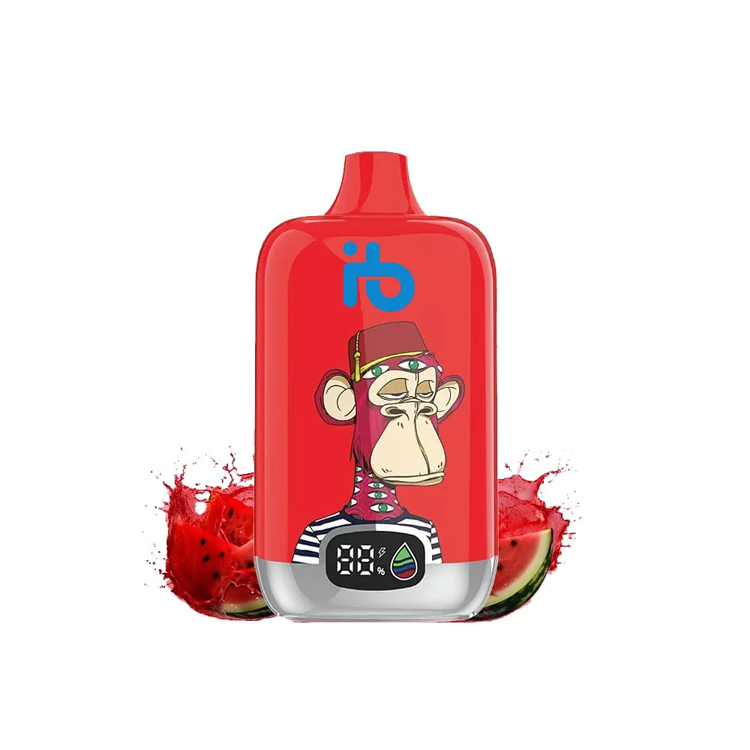
While they share core functionalities, vapes and e-cigarettes differ significantly in design and usage. Vapes typically offer more control over the vaping experience, with adjustable power settings and refillable tanks. This customization appeals to those who want a tailored experience. E-cigarettes, on the other hand, are more straightforward, often disposable or with limited recharge capabilities, appealing to users looking for simplicity.
Moreover, vapes tend to produce more vapor and allow a wider range of flavors, which can enhance the experience for users who enjoy experimenting. E-cigarettes focus on replicating the tobacco smoking experience, which might appeal to those who miss the traditional cigarette feel.
Affect on Health
Both devices are under scrutiny for health impact. While considered less harmful than traditional cigarettes due to the absence of tar and many other toxicants found in cigarette smoke, the long-term health effects of vaping remain largely unknown. Public health advocates continue to study these concerns, noting the importance of understanding nicotine addiction risks, regardless of the delivery method.
FAQs
- Can vapes and e-cigarettes help in quitting smoking?
- There is evidence suggesting they can be part of smoking cessation strategies, but their efficacy varies among users. Consulting health professionals for guidance is advisable.
- What’s in the e-liquid?
- E-liquid typically contains nicotine, propylene glycol, vegetable glycerin, and flavorings. Not all e-liquids contain nicotine, which allows users some flexibility in usage.
- Are these devices regulated?
- Regulations vary by country, but many places have started implementing restrictions and guidelines to monitor safety standards and marketing practices.