Understanding the Effects of e-papierosy and how bad are e cigarettes for your lungs
In recent years, the rise of electronic cigarettes, also known as e-papierosy, has sparked significant debate regarding their impact on respiratory health. Many users see these devices as a safer alternative to traditional smoking, but it is crucial to delve into the scientific findings to comprehend how bad are e cigarettes for your lungs and the broader effects of vaping on lung function.
What Are E-Papierosy and How Do They Work?
e-papierosy, commonly referred to as e-cigarettes or vapes, function by heating a liquid solution, known as e-liquid or vape juice, containing nicotine, flavorings, and other chemicals. This heating process produces an aerosol inhaled into the lungs. Unlike traditional cigarettes, e-papierosy do not involve combustion of tobacco, which reduces exposure to some harmful carcinogens, but the aerosol can still carry various toxic substances.
Chemical Components and Their Impacts on Lung Tissue
The aerosol emitted by e-papierosy includes nicotine, propylene glycol, vegetable glycerin, flavoring agents, and trace metals. Studies reveal that inhaling these chemicals can cause inflammation of the airways and damage to lung cells. Nicotine, in particular, is a well-known addictive substance that can alter lung development and immune defense, raising concerns especially among adolescent users.
Respiratory Risks Associated with Vaping
Research increasingly highlights several respiratory risks linked to the use of e-papierosy. Short-term exposure can lead to symptoms such as coughing, wheezing, and shortness of breath. In more severe cases, prolonged vaping has been connected to chronic bronchitis and decreased lung function. Questions about how bad are e cigarettes for your lungs are gaining prominence as case reports document instances of vaping-associated lung injury (VALI), sometimes severe and requiring hospitalization.
Comparing E-Papierosy and Traditional Cigarettes
When comparing e-papierosy with regular cigarettes, it is important to note that while e-cigarettes eliminate smoke inhalation, they do not render the lungs free from harm. Traditional cigarettes release thousands of harmful compounds from combustion, significantly damaging lung tissue over time. While how bad are e cigarettes for your lungs might be less severe in comparison, the inhalation of aerosols still presents risks and introduces unknown long-term effects that require further investigation.

The Role of Flavorings and Additives
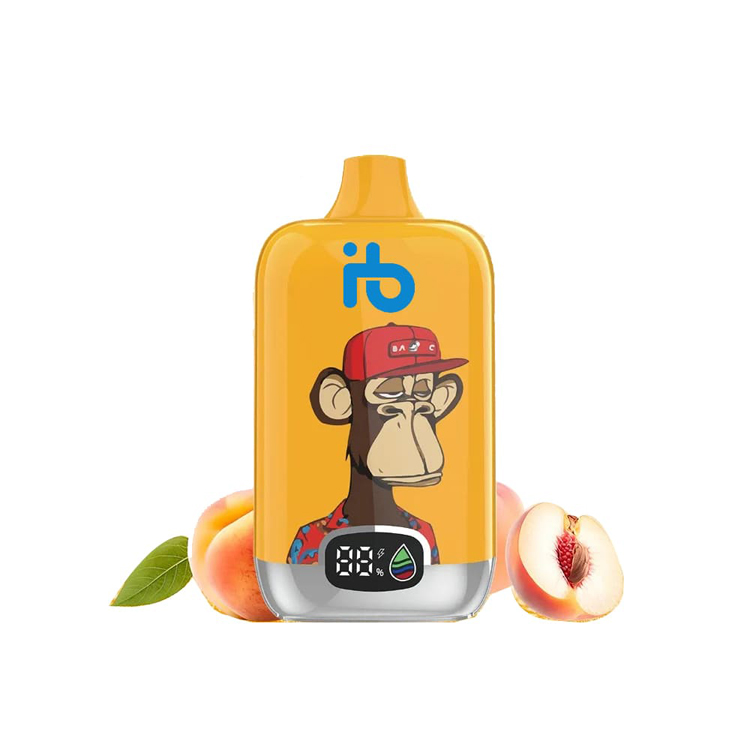
Flavored e-papierosy have gained popularity, especially among younger demographics. These flavorings, although approved for ingestion, may cause irritation or allergic responses when inhaled. Some studies suggest that certain flavoring chemicals can disrupt lung cell function and reduce immune response, contributing to respiratory illnesses. This factor complicates the assessment of how bad are e cigarettes for your lungs as flavor additives vary widely.
Long-Term Studies and Ongoing Research
Given the relatively recent adoption of e-papierosy technology, comprehensive long-term studies are still unfolding. Initial findings indicate a potential association between chronic e-cigarette use and decreased lung function, but many variables, such as individual health status, usage patterns, and product composition, influence outcomes. Scientists continue to investigate the interaction between vaping and the respiratory system to better inform public health policies.
Public Health Perspectives and Recommendations
Health authorities remain cautious about endorsing e-papierosy as a safe alternative. While some recommend e-cigarettes as a cessation tool for established smokers, most stress minimizing exposure, especially for youth and non-smokers. Understanding how bad are e cigarettes for your lungs contributes to awareness campaigns highlighting the importance of lung health and encouraging safer lifestyle choices.
Practical Advice for Current Users
If you are currently using e-papierosy, consider regular health screenings focusing on respiratory function and consult healthcare providers about potential risks. Reducing consumption, avoiding flavored products with unknown chemicals, and refraining from dual use with traditional cigarettes can also mitigate lung damage.
Frequently Asked Questions
- Are e-cigarettes completely safe for the lungs?
- No, while they may be less harmful than traditional cigarettes, e-cigarettes still expose lungs to harmful chemicals causing inflammation and damage.
- Can vaping cause long-term lung diseases?
- Emerging evidence suggests vaping can contribute to chronic respiratory conditions, but definitive long-term impacts require further study.
- Is nicotine from e-papierosy harmful to lung health?
- Yes, nicotine can affect lung development, impair immune response, and add to respiratory risks.
- Do flavored e-liquids increase lung damage?
- Certain flavorings may irritate lungs and disrupt cell function, potentially increasing respiratory issues.
- Can quitting e-cigarettes improve lung function?
- Stopping vaping can help reduce airway inflammation and improve lung health over time, especially if combined with medical support.