The Emergence of e-smoke in the Dominican Republic
E-smoke, representing the modern revolution of smoking alternatives, has gained remarkable traction worldwide, and its footprint in the Dominican Republic is increasingly prominent. As global awareness around tobacco harm rises, e-smoke devices—known commonly as electronic cigarettes or e-cigarettes—offer a contemporary option for adults seeking to move away from traditional tobacco. However, with this growth comes the vital necessity to understand how Dominican Republic e-cigarette regulations shape usage, retail, and broader implications for public health and commerce.
What is e-smoke?
At its core, e-smoke refers to any electronic device designed to emulate the sensation or act of smoking without the combustion associated with traditional cigarettes. These devices rely on a battery-powered heating element that vaporizes a liquid solution—often containing nicotine, flavorings, and other chemicals. The resultant vapor is inhaled, simulating smoking yet generally containing fewer toxins than burned tobacco. E-smoke technology continues to evolve, spawning a broad market of products, from beginner-friendly vape pens to advanced mod systems beloved by enthusiasts. Its rise in popularity is closely tied to perceptions of reduced harm, accessibility, and diverse flavor options.
Regulatory Landscape: Dominican Republic E-cigarette Regulations
Understanding Dominican Republic e-cigarette regulations is integral for consumers, manufacturers, and retailers. The legal framework in the Dominican Republic has emerged in response to health concerns, international influence, and market expansion. Regulatory oversight typically addresses issues such as age restrictions, advertising, sales channels, and product standards. The intent behind these regulations is to balance public health imperatives with consumer choices, safeguarding youths from nicotine exposure while providing adults with safe alternatives.
Key Provisions of Dominican Republic E-cigarette Policies
- Minimum Age Laws: Most legislation sets a minimum age for purchasing e-smoke devices and e-liquids, often aligning with traditional tobacco standards (18 years and over).
- Advertising Restrictions: To prevent youth appeal, advertising for e-smoke or e-cigarette products may face tight limits or outright bans, especially on mass media channels, social networks, and outdoor displays.
- Product Standardization: Regulations often require product labeling, ingredient disclosure, child-resistant packaging, and quality control of e-liquids. This safeguards consumers by curtailing the risk of adulterated or dangerous solutions.
- Public Use and Indoor Vaping: The Dominican Republic is increasingly following global guidance in restricting e-smoke use in enclosed spaces like workplaces, restaurants, and schools—echoing no-smoking zones for cigarettes.
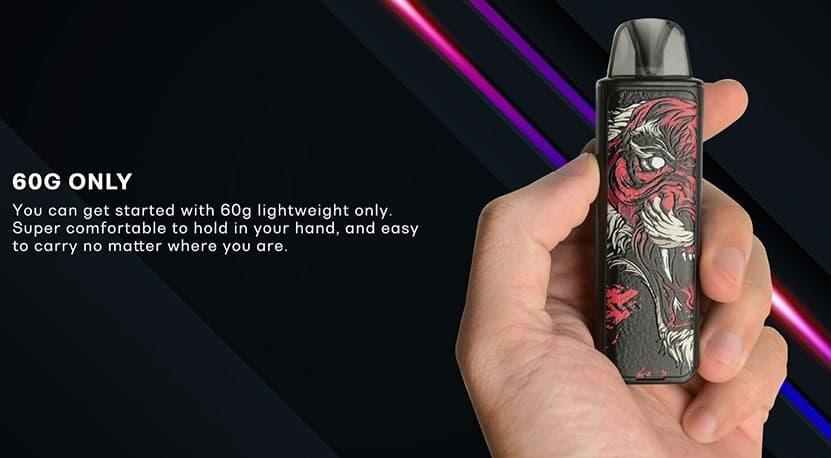 e-smoke use under Dominican Republic e-cigarette regulations” />
Market Impact: e-smoke and Local Businesses
The regulatory stance in the Dominican Republic heavily influences e-smoke commerce. Retailers must conform with sales restrictions, implement age verification, and maintain records to satisfy legal compliance. Online vendors face particular scrutiny over cross-border sales and digital marketing, presenting both challenges and opportunities in a growing digital market place. Meanwhile, legitimate local shops witness increased trust from well-informed, law-abiding consumers, further stabilizing the industry’s reputation.
The Usage Trends of e-smoke in the Dominican Republic
Despite evolving regulations, e-smoke use continues to expand in urban and tourist-heavy regions. Adult enthusiasts praise the diversity of flavors, adjustable nicotine strengths, and the absence of tobacco smoke. The cultural acceptance of e-smoke is deepening, especially among those wishing to reduce traditional smoking risks or seeking to transition to less harmful alternatives. However, public health groups remain vigilant, advocating for responsible use and stronger educational programs about e-smoke risks and regulations.
Public Health Views & Criticism
While proponents cite e-smoke as an effective harm-reduction strategy, critics point to risks of youth initiation, non-smokers adopting vaping, and uncertain long-term health outcomes. Medical authorities emphasize that Dominican Republic e-cigarette regulations must adapt with emerging evidence and strive for transparent, science-driven policies. Health campaigns increasingly focus on prevention, risk awareness, and providing cessation support rather than punitive measures, integrating e-smoke education into broader anti-tobacco efforts.
Compliance Challenges and Enforcement
Ensuring uniform enforcement of Dominican Republic e-cigarette regulations presents both logistical and legal challenges. Urban centers display stricter adherence compared to rural communities, where informal sales sometimes escape regulatory scrutiny. Authorities deploy inspection programs, penalties, and awareness campaigns, supported by input from civil society, schools, and healthcare workers. Technological solutions like digital age-verification, track and trace for import-export, and compliance websites bolster efforts, but continuous review and adaptation are essential.
Comparing e-smoke Regulations: Dominican Republic vs Global Standards
| Country | Minimum Purchase Age | Indoor Use Ban | Advertising Restrictions |
|---|---|---|---|
| Dominican Republic | 18+ | Likely/Partial | Strong |
| USA | 21+ | Variable | Significant |
| UK | 18+ | Widespread | Moderate |
| Australia | 18+ | Almost Universal | Strict |

This quick comparison reveals that while the Dominican Republic aligns its e-smoke regulations with international standards, the nuances of enforcement and cultural attitudes still shape real-world outcomes. Stakeholders continue to advocate for robust policy frameworks that reflect best practices but remain sensitive to local contexts.
Consumer Rights and Responsibilities
Consumers of e-smoke products in the Dominican Republic hold the right to safe, clearly labeled products, accurate advertising, and dignified treatment. In turn, they must respect laws governing purchase age, public use, and transportation. Visitors and tourists are advised to check the latest Dominican Republic e-cigarette regulations to avoid accidental infractions, as enforcement can be unpredictable and fines severe.
Latest Updates and Regulatory Changes
Legislative environments around e-smoke in the Dominican Republic are dynamic. In recent years, policymakers have signaled potential tightening of e-smoke controls, especially as international treaties and regional health partnerships urge more stringent norms. Proposed changes include increased taxation on e-liquids, tighter cross-border restrictions, and elaborate education drives targeting school-aged youth.
The Future of Dominican Republic E-cigarette Regulations
- Continued growth in e-smoke retail, especially among older adults and ex-smokers.
- Improvements in regulatory clarity and enforcement technology.
- Potential introduction of plain packaging and graphic health warnings for e-liquids.
- Synergistic efforts between public health agencies, manufacturers, and retailers to ensure responsible e-smoke sales and marketing.
Advocacy groups and medical professionals continue to debate policies, driving a steady evolution in the nation’s approach to e-smoke safety and public health.
Conclusion: Navigating the e-smoke Era in the Dominican Republic
The landscape of e-smoke consumption and regulation in the Dominican Republic offers a vivid microcosm of the global struggles and progress in modern nicotine use. By embedding evidence-based legislative practices, increasing user education, and keeping pace with technological trends, the Dominican Republic is creating an environment where responsible use of e-smoke products can thrive while minimizing public health risks. Stakeholders—be they consumers, sellers, advocates, or policymakers—must stay vigilant and informed, ensuring that regulations fulfill their intended purpose and adapting as further data emerges.
FAQ: Dominican Republic E-smoke & Regulations
- Can tourists use e-smoke devices in the Dominican Republic?
- Yes, adult tourists can use e-smoke products, but they must adhere to local laws regarding purchase, public use, and import. Checking recent updates to Dominican Republic e-cigarette regulations before travel is recommended.
- Is vaping allowed in restaurants or hotels?
- Regulations are frequently updated, but generally, the use of e-smoke indoors mirrors traditional smoking bans—meaning restricted or designated areas only.
- Are there penalties for under-age purchase of e-smoke products?
- Yes, both vendors and under-aged purchasers may face fines, product confiscation, and potential legal action under Dominican Republic e-cigarette regulations.
- Do e-smoke liquids require labeling?
- Absolutely. Product labeling must meet ingredient disclosure requirements, along with safety and usage instructions, to comply with regulations and safeguard consumers.