The Composition of E-Cigarettes
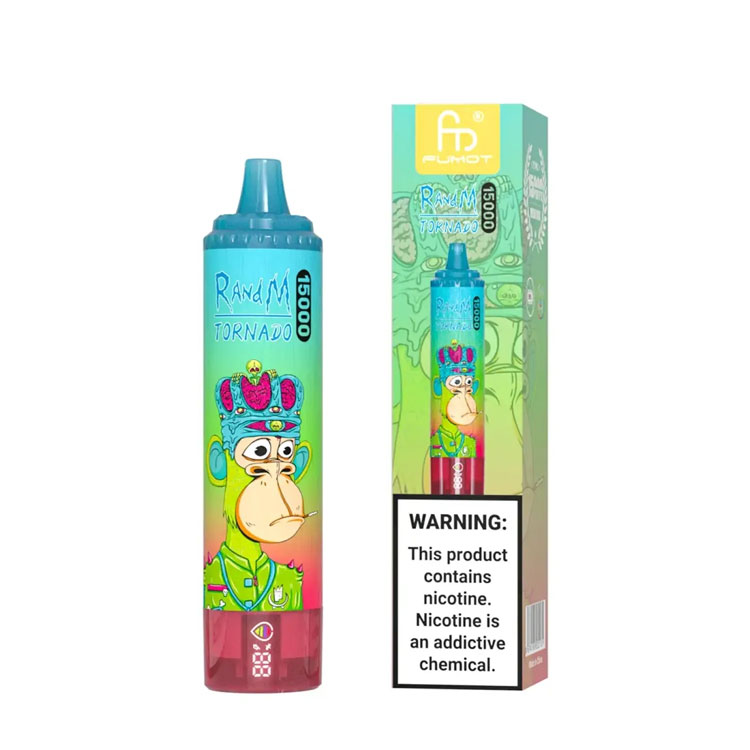
E-cigarettes, particularly those with nicotine, have gained popularity for various reasons, including their perceived safety compared to traditional smoking. These devices generally consist of three main components: a battery, an atomizer, and a refillable or disposable cartridge containing a liquid, which frequently includes nicotine, propylene glycol, glycerin, and assorted flavorings. The nicotine levels can vary widely, allowing users to select products that satisfy their cravings while potentially reducing exposure to other harmful chemicals typically found in conventional cigarettes.
Nicotine itself, while addictive, is not the primary cause of smoking-related diseases; the tar and thousands of toxic chemicals from burning tobacco are the main culprits. However, the inclusion of nicotine in e-liquids remains a concern due to its addictive nature and effects on the cardiovascular system.
Health Implications and Potential Benefits
 There has been significant discussion around the safety and health implications of using e-cigarettes with nicotine. Proponents argue that using e-cigarettes presents a reduced risk alternative to smoking. This reduction in risk is mainly attributed to the fact that e-cigarette users inhale vapor, which lacks many of the harmful carcinogens found in traditional cigarette smoke. Moreover, e-cigarettes may serve as a starting point for many who wish to quit smoking altogether. Since they can offer a controlled dose of nicotine without exposing users to the more dangerous components found in burned tobacco, they offer a strategic advantage in smoking cessation strategies. However, skeptics point out that e-cigarettes still pose certain health risks, including the potential for nicotine addiction.
The long-term effects of inhaling e-cigarette vapor are not yet fully understood, warranting further research to ensure public health safety.
Rules and Regulations in Canada
Regulatory measures regarding e-cigarettes in Canada have evolved to address safety concerns while accommodating the growing market. The Government of Canada regulates e-cigarettes with nicotine under the Tobacco and Vaping Products Act, ensuring products meet certain standards for safety and quality. Restrictions apply to the sale and advertising of these products, targeting minors and preventing misleading health claims that could undermine public awareness of potential risks. A major point of regulation involves limiting nicotine concentrations and prohibiting appealing flavors that might attract underage users. However, despite these efforts, debates continue regarding the balance between regulation and access, particularly for adults seeking alternatives to smoking.
Common Queries
- What is the safest way to use e-cigarettes?
- To minimize potential risks, users should choose reputable brands, limit nicotine strength, and avoid modifying the devices beyond manufacturer recommendations, thus ensuring they abide by safety standards.
- Can e-cigarettes help in quitting smoking?
- Yes, e-cigarettes with controlled nicotine levels can assist in smoking cessation by satisfying cravings while allowing gradual reduction of nicotine intake.
- Are there age restrictions for buying e-cigarettes in Canada?
- Yes, Canadian law prohibits the sale of e-cigarettes to minors under the age of 18, aligning with broader tobacco regulations.

Understanding these aspects of e-cigarettes with nicotine in Canada allows consumers to make informed choices, balancing the desire for reduced harm with the responsibility towards health safety.