E-Shisha overview: understanding modern alternatives to smoke and vapor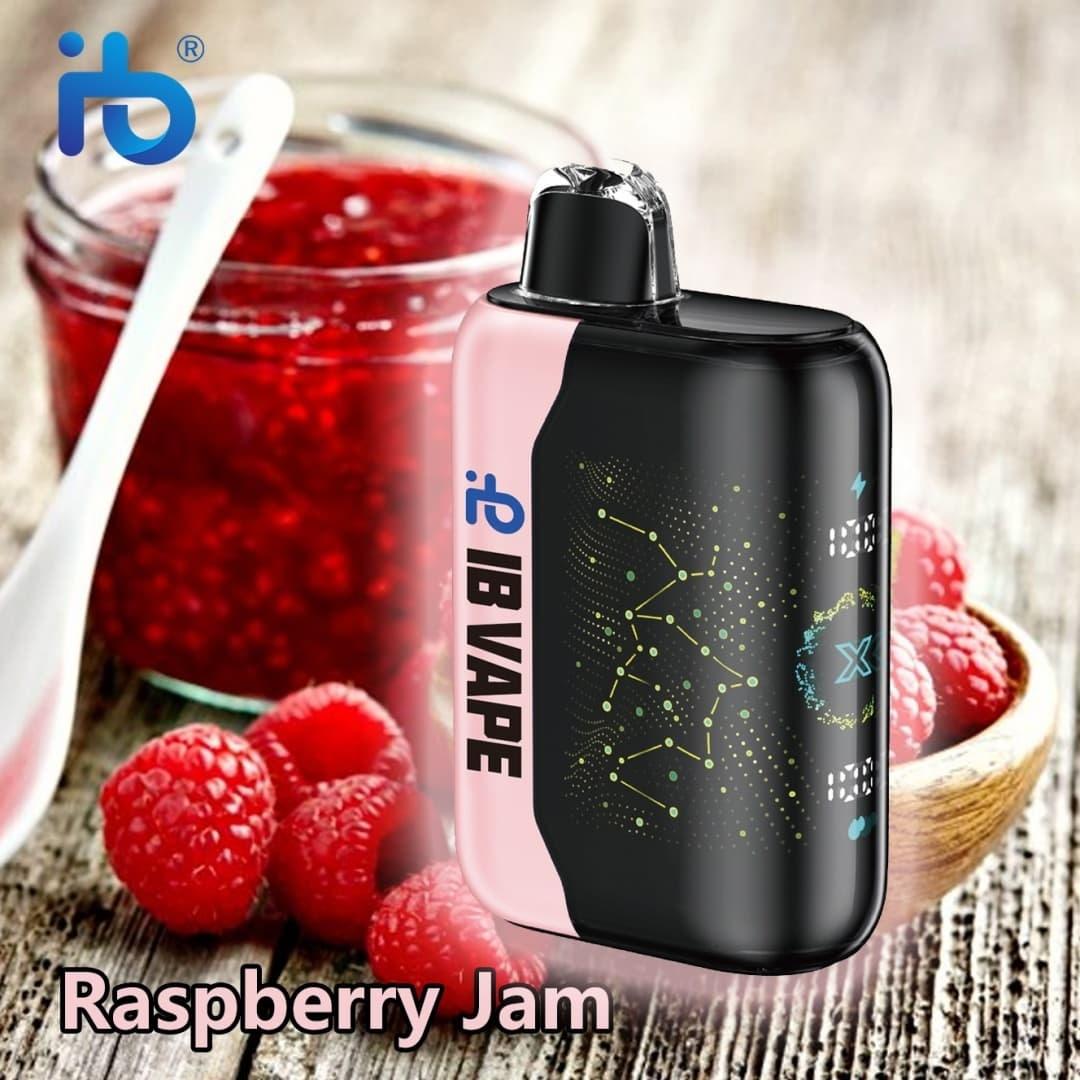
For many people who are curious about alternatives to conventional tobacco products, the term E-Shisha has become familiar. This article examines the concept of heated vapor devices that mimic the social and flavor-focused experience of traditional shisha while addressing the central concern for informed buyers: the safety of electronic cigarettes. We will unpack device types, constituent ingredients, short- and long-term health considerations, regulatory context, and practical guidance to help curious consumers evaluate risk and make safer choices.
What is an E-Shisha and how does it relate to other vaping devices?
E-Shisha refers broadly to flavored electronic vapor devices designed to provide a hookah-like or shisha-like experience without burning charcoal or tobacco. These devices vary from single-use disposable pods to rechargeable systems with replaceable cartridges and larger tank-style products. They typically heat a liquid (commonly called e-liquid or e-juice) to produce an inhalable aerosol. The core components are usually a battery, a heating element (coil), a reservoir for e-liquid, and a mouthpiece. While the term evokes the culture of communal smoking, many e-shisha products are intended for individual use.
Key components and composition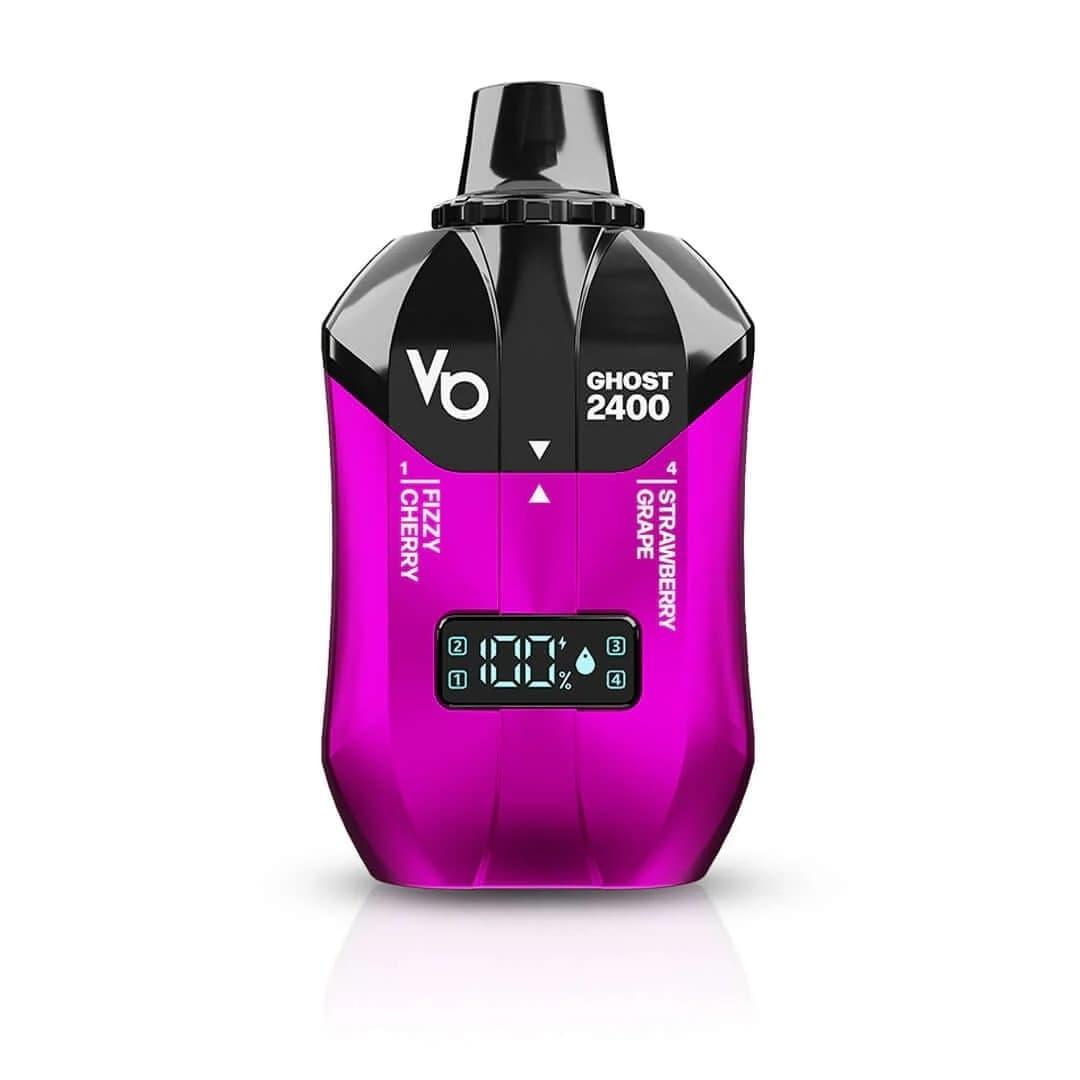
Understanding what goes into an electronic vapor product is critical when assessing the safety of electronic cigarettes. Most e-liquids include:
- Propylene glycol (PG) and/or vegetable glycerin (VG) as solvents and aerosol-forming bases;
- Flavoring agents created for food use but not necessarily tested for inhalation;
- Nicotine in varying concentrations (including nicotine salts in some formulations) or zero-nicotine options;
- Trace impurities or manufacturing residues depending on product quality;
The heating element transforms the liquid into a vapor; however, heating certain compounds can generate thermal degradation products like formaldehyde and acrolein under specific conditions. Device design, coil temperature, and user behavior (such as puff duration and frequency) influence chemical output. Therefore, both product formulation and usage patterns modulate potential exposure risks.
Nicotine delivery and behavior
Nicotine content can range from 0 mg/mL to over 50 mg/mL in concentrated nicotine-salt formulations. Nicotine is addictive and has cardiovascular effects; however, when comparing harm profiles, many experts consider that removing combustion reduces exposure to tar and many carcinogens associated with smoked tobacco. Nevertheless, nicotine’s addiction potential and its effects on adolescent brain development, pregnancy, and certain medical conditions remain important safety considerations in any discussion of the safety of electronic cigarettes.
Health evidence: what research tells us
The scientific landscape on the health impacts of vaping and products like E-Shisha is evolving. Large cohort studies, clinical trials, chemical analyses, and public health reviews inform current perspectives. Key points include:
- Relative risk: Many public health agencies assert that switching completely from combustible tobacco to regulated vapor products reduces exposure to numerous toxicants; however, reduced harm is not equivalent to harmless.
- Respiratory effects: Some studies report short-term symptoms (cough, throat irritation, bronchial reactivity), while long-term respiratory consequences are not yet fully established due to the relatively recent widespread uptake.
- Cardiovascular effects: Acute changes in heart rate and blood pressure have been observed; the long-term impact on cardiovascular disease incidence is still under investigation.
- Population-level concerns: Upticks in youth experimentation have raised alarms, particularly when flavored products are marketed in ways that appeal to young people.
Factors that influence risk
Not all products present equal risk. Consider these determinants when evaluating the safety of electronic cigarettes:
- Product quality and manufacturing standards (certified or third-party tested products reduce the chance of contamination);
- Presence and concentration of nicotine;
- Type of flavorings and their suitability for inhalation versus oral consumption;
- Device temperature control and coil materials which affect thermal decomposition;
- User behavior, including dual use with combustible cigarettes which may negate potential harm reduction benefits;
- Storage and battery safety to prevent malfunctions or thermal events.
Regulations and labeling
Regulatory frameworks vary globally. Some jurisdictions regulate vaping devices similarly to nicotine replacement therapies or tobacco products, requiring ingredient disclosure, packaging controls, child-resistant containers, and maximum nicotine concentrations. Others are less prescriptive, which can create variability in product safety. Consumers should seek products that meet local regulatory requirements and prefer manufacturers that publish third-party lab analyses or certificates of analysis (COAs) demonstrating ingredient authenticity and the absence of harmful contaminants.
Mitigation strategies for consumers
Interested buyers can reduce risks associated with E-Shisha by following practical steps:
- Buy from reputable vendors and brands with transparent sourcing and testing policies;
- Choose products with clear ingredient lists and avoid suspiciously low-priced, unbranded items;
- Prefer lower temperatures or devices with adjustable power/wattage to minimize thermal degradation;
- Avoid modifying devices or using homemade e-liquids without proper knowledge;
- Store liquids and devices safely away from children and pets;
- If concerned about nicotine dependence, select nicotine-free e-liquids or seek professional cessation support;
- Avoid dual use: continue to smoke combustible cigarettes while vaping defeats potential risk reduction.
Comparing harms: E-Shisha vs. combustible shisha and cigarettes
The combustion of tobacco and charcoal in traditional shisha and cigarettes generates numerous toxicants, including carbon monoxide, polycyclic aromatic hydrocarbons, heavy metals, and tar. Electronic vapor products eliminate combustion and therefore typically present lower levels of many of these toxicants; however, they introduce different exposure profiles, including flavoring chemicals and potential metal particles from coils. From a harm-reduction standpoint, switching fully to regulated vapor products may reduce exposure to certain harmful compounds, but long-term absolute safety is not established, and complete abstinence from inhaled nicotine products remains the lowest-risk option.
Special populations and contraindications
Certain groups should be particularly cautious: pregnant and breastfeeding people, youth and adolescents, people with underlying cardiovascular or respiratory disease, and never-smokers. For smokers seeking to quit, evidence supports that certain regulated vaping products can be more effective than some nicotine replacement therapies when used as part of a structured cessation plan under professional guidance.
Practical tips for safer use
Simple user-level practices can improve safety:
- Follow manufacturer instructions and warranty recommendations;
- Use compatible chargers and avoid overcharging batteries;
- Inspect devices regularly and discontinue use if signs of malfunction or leaking occur;
- Clean and maintain tanks and coils according to guidelines to reduce residue buildup;
- Rotate between coils and replace them when flavor or vapor quality degrades;
- Store e-liquids in original containers with clear labeling and child-resistant caps.

Debunking common myths
There are many misconceptions that complicate consumer choice. Myth 1: “Vaping is completely safe.” Reality: No inhaled product is risk-free. Myth 2: “All e-liquids are the same.” Reality: Quality, nicotine form, and flavoring profiles vary widely. Myth 3: “E-Shisha can’t lead to nicotine addiction.” Reality: Products containing nicotine can be addictive, especially when nicotine salts deliver high doses quickly. Clear, evidence-based information helps cut through marketing claims and anecdotal stories.
Expert perspective: Harm reduction may favor switching adults who smoke to regulated vapor products, but preventing youth initiation and ensuring product quality are vital public health priorities.
Choosing the right product: questions to ask
When evaluating an E-Shisha product or other vaporized nicotine product, ask:
- Does the manufacturer publish lab test results for nicotine concentration and contaminants?
- Are the ingredients and flavorings declared and sourced from reputable suppliers?
- What safety features does the device include (short-circuit protection, temperature limits)?
- Is the product compliant with local regulations and age-restriction sales?
- Have independent reviews or consumer reports validated the brand’s claims?
Environmental and social considerations
The rise of disposable e-cigarettes and single-use pods raises environmental concerns due to plastic, metal, and battery waste. Choose refillable and repairable devices when feasible, and follow local electronic waste disposal guidelines. Socially, be mindful of public vaping etiquette and local laws regarding indoor use and public spaces.
Research gaps and future directions
Key research needs to better define the safety of electronic cigarettes include longer-term cohort studies, standardized chemical emission testing across device types and temperatures, inhalation toxicology for commonly used flavor compounds, and population-level studies examining cessation outcomes and initiation patterns among youth. Regulatory science that enforces consistent manufacturing standards and encourages transparency will help consumers and clinicians make better-informed decisions.
Summary and practical takeaway
The decision to use an E-Shisha or any e-cigarette product should be informed by an understanding of relative risks, product quality, and personal health circumstances. For adult smokers, switching completely to a well-regulated vapor product can reduce exposure to many combustion-related toxicants, but it is not devoid of risk. Youth, non-smokers, pregnant people, and people with certain health conditions should avoid inhaled nicotine products. Consumers can reduce preventable harms by choosing reputable brands, preferring transparent lab-tested products, and following safe usage and storage practices.
Practical checklist before buying
- Confirm product labeling and COA availability;
- Check nicotine content and choose lower concentrations if concerned about dependence;
- Prefer refillable systems over disposables for environmental reasons;
- Look for devices with temperature control or reputable safety features;
- Avoid modifying devices or mixing untested liquids.
Where to get trusted information
Reliable sources include national public health agencies, peer-reviewed journals, independent consumer testing organizations, and professional healthcare providers. When seeking guidance, prioritize up-to-date reviews and regulatory advisories rather than social media anecdotes alone.
Closing reflection
The landscape of vapor products such as E-Shisha continues to evolve. Ongoing research, improved product standards, and well-considered regulation are central to addressing questions about the safety of electronic cigarettes. Curious consumers benefit most from balanced, evidence-informed perspectives that recognize both potential harm reduction for adult smokers and the critical need to prevent youth initiation and unsafe use.
FAQ
- Are E-Shisha devices safer than traditional shisha or cigarettes?
Short answer: In many chemical analyses, vapor products eliminate many combustion-related toxicants found in smoked products, suggesting reduced exposure. However, “safer” is relative and does not mean harmless; long-term effects require more research. - Can E-Shisha cause nicotine addiction?
Yes. If the e-liquid contains nicotine, there is a risk of dependence. Nicotine salts and higher-concentration liquids can deliver nicotine efficiently, increasing addiction potential. - How can I minimize health risks if I choose to vape?
Buy regulated products with transparent lab testing, avoid modifying devices, use lower temperatures and nicotine levels, and never combine vaping with continued cigarette smoking. - Are flavored products safe to inhale?
Flavorings approved for food are not automatically safe for inhalation. Inhalation toxicology differs from ingestion; some flavor chemicals can cause respiratory irritation or other effects when vaporized. Prefer brands with safety data and independent testing.