
Understanding e papierosy: An Introduction to Electronic Cigarettes
The surge in popularity of electronic cigarettes, commonly known as e papierosy, has transformed the landscape of nicotine consumption. These devices offer a modern alternative to traditional tobacco smoking by delivering nicotine through vapor rather than smoke. This article dives deep into facts about electronic cigarettes, exploring their composition, usage, benefits, and safety considerations to empower safer vaping decisions.
What Exactly Are e Papierosy?
Electronic cigarettes, or e papierosy, are battery-operated devices designed to simulate the experience of smoking. Rather than burning tobacco, these devices heat a liquid mixture (usually containing nicotine, flavorings, and other chemicals) producing vapor that users inhale. This process is known as vaping, and it has become a popular alternative because of its perceived reduced harm compared to combustible cigarettes.
Core Components of Electronic Cigarettes
- Battery: Powers the device’s heating element.
- Atomizer/Coil: Converts e-liquid into vapor through heating.
- Cartridge/Tank: Holds the e-liquid or vape juice.
- Mouthpiece: The part users inhale from.
Exploring Facts About Electronic Cigarettes You Should Know
Understanding essential facts about electronic cigarettes is crucial for making informed choices regarding vaping. Despite widespread use, misinformation exists concerning their safety and usage. Let’s unpack some key insights:
- Nicotine Content Variation: Unlike traditional cigarettes, e papierosy offer adjustable nicotine levels ranging from zero to high concentrations, allowing users to control intake.
- Reduced Harm Potential: The absence of combustion means fewer harmful chemicals like tar and carbon monoxide are produced, lowering health risks compared to smoking.
- Flavor Diversity: E-liquids come in a vast array of flavors – from tobacco and menthol to fruity and dessert-inspired blends enhancing user experience.
- Secondhand Vapor Concerns: Vapor emitted contains fewer toxic substances than smoke, but nonusers should still exercise caution due to potential exposure.
- Regulatory Variations: Laws governing e papierosy vary internationally, affecting sales, usage age limits, and product standards.
Health Considerations and Safety Tips for Vaping
While electronic cigarettes are often marketed as safer alternatives, it’s important to evaluate health impacts. Research points to fewer harmful effects relative to smoking, but vaping is not risk-free. Awareness of safety practices helps mitigate potential issues:
Always purchase e-liquids and devices from reputable sources to avoid harmful contaminants or faulty equipment.
- Do not modify devices or use unapproved components.
- Monitor and control nicotine intake to prevent addiction or poisoning.
- Avoid vaping in places where smoking is prohibited to respect others’ health.
Environmental Impact and Disposal
Improper disposal of e papierosy devices and cartridges can contribute to environmental pollution. Batteries and residual nicotine liquids must be handled responsibly to minimize ecological harm.
The Future of e Papierosy: Trends and Innovations
The evolving technology surrounding electronic cigarettes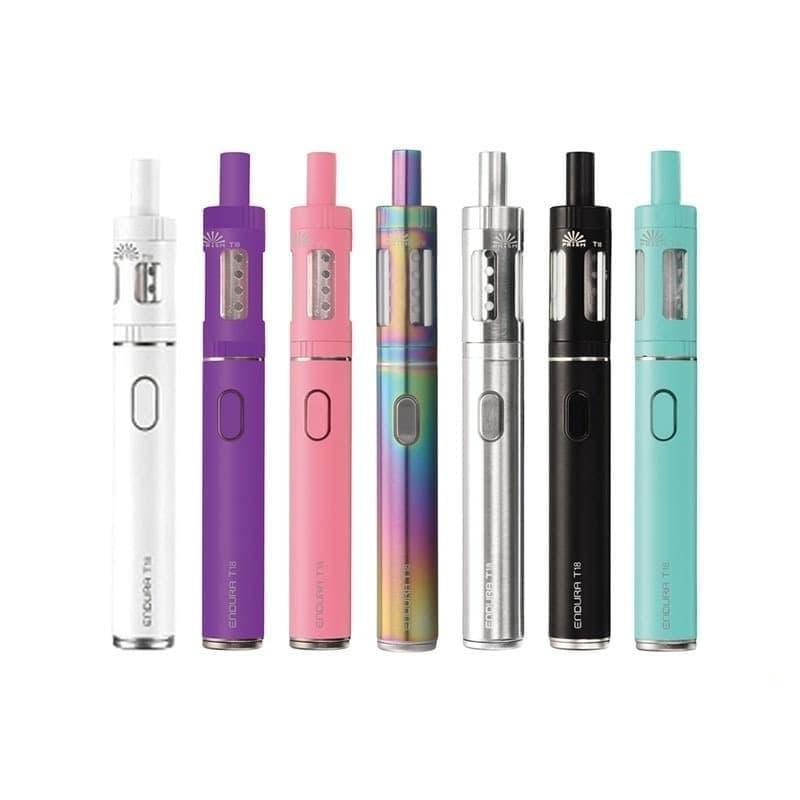 promises improved safety features, enhanced user customization, and innovative designs. Developments include temperature control, organic and natural flavorings, and integration with mobile apps for monitoring usage patterns.
As the market for e papierosy expands, so does the research, regulation, and public awareness, making education about these devices more important than ever for consumers seeking safer alternatives.
In conclusion, e papierosy represent a dynamic and widely embraced alternative to conventional smoking. By understanding key facts about electronic cigarettes—ranging from their mechanism and chemical composition to health considerations and environmental impact—users can make knowledgeable decisions to ensure safer vaping practices.
Frequently Asked Questions About Electronic Cigarettes

- Are e papierosy entirely safe?
- While generally considered less harmful than traditional cigarettes, electronic cigarettes are not completely risk-free and should be used cautiously.
- Can vaping help smokers quit?
- Many studies suggest vaping can aid smoking cessation, but professional guidance and personalized approaches yield the best results.
- Is secondhand vapor dangerous?
- Secondhand vapor contains fewer toxins than smoke; however, avoiding exposure is recommended, especially for vulnerable individuals.
- What regulations affect e papierosy?
- Regulations vary by country and may cover sales restrictions, age limits, product ingredients, and marketing practices.