Understanding the Dynamics of e-cigaretta and Its Secondhand Smoke Impact
In recent years, the rise of e-cigaretta as an alternative to traditional smoking has sparked debates regarding not only its direct effects but also the consequences of secondhand smoke from e cigarettes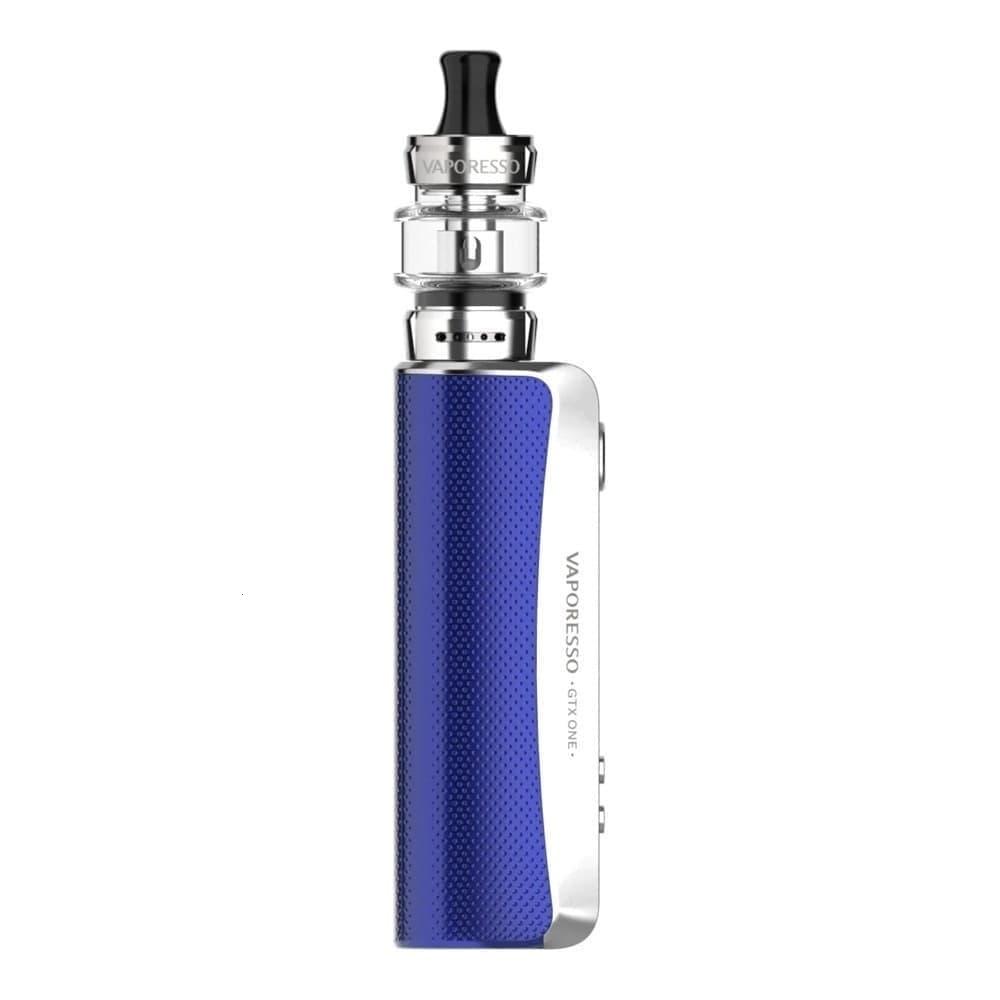 . This discussion is crucial because, unlike conventional cigarettes, e-cigarettes deliver nicotine through vapor rather than combustion, yet the health and environmental implications remain significant. The growing prevalence of vaping necessitates a comprehensive examination of how passive exposure to e-cigarette emissions influences public health and ecological systems.
Composition and Characteristics of Secondhand Smoke from E Cigarettes
While e-cigaretta does not produce smoke in the traditional sense, the emitted aerosol contains nicotine, ultrafine particles, volatile organic compounds, and flavorings that can affect bystanders. Studies demonstrate that secondhand smoke from e cigarettes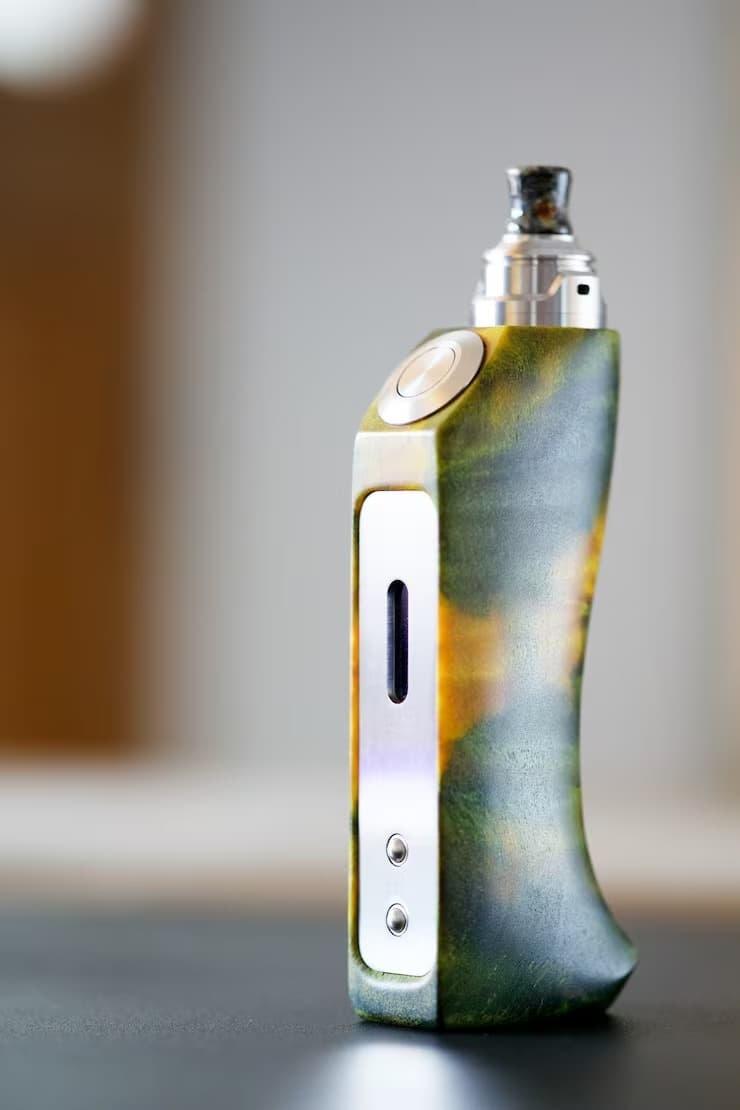 includes harmful substances, though often at lower concentrations than conventional tobacco smoke. Importantly, these aerosols can linger in indoor environments, contributing to indoor air pollution and posing health risks to vulnerable populations, including children and pregnant women.
Health Implications of Passive Exposure to E-cigaretta Emissions
Secondhand smoke from e cigarettes raises concerns due to the inhalation of nicotine and other toxic chemicals by nonsmokers. Unlike traditional secondhand smoke, which has been extensively characterized, the long-term health effects of passive vaping exposure are still under study but include potential respiratory issues, cardiovascular effects, and the risk of developing nicotine addiction in adolescents. Healthcare professionals emphasize caution in enclosed spaces to minimize involuntary exposure, advocating for stronger regulation and public awareness.
Environmental Concerns Linked to E-cigarette Byproducts
Beyond health, environmental sustainability is at stake with the disposal and atmospheric release of e-cigaretta residuals. Cartridges, batteries, and packaging contribute to electronic waste, while the release of fine particulate matter and chemicals from secondhand smoke from e cigarettes can deteriorate air quality. The environmental footprint of widespread vaping suggests the need for responsible consumer practices and enhanced recycling initiatives to reduce ecological harm.
Moreover, indoor air quality deteriorations caused by lingering aerosol could exacerbate respiratory allergies and asthma among occupants. HVAC systems can accumulate residues, indicating a broader impact on communal spaces and workplaces. Public health policies are beginning to incorporate these findings to regulate e-cigaretta use indoors, aligning with smoke-free initiatives.
Mitigation Strategies and Regulatory Measures
To curb the adverse effects of secondhand smoke from e cigarettes, various mitigation strategies are critical. Establishing smoke-free zones, including vaping restrictions in public areas, is an effective method. Clear labeling about product ingredients and potential risks can inform users and the public. Furthermore, research-backed regulatory frameworks focusing on reducing emissions and environmental contamination are increasingly demanded by health experts worldwide.
Future Research Directions
Ongoing scientific investigations aim to delineate the precise health outcomes linked to e-cigaretta use and exposure to its aerosols. Population-based studies will clarify chronic effects, while technological advancements might pave the way for less harmful alternatives. Multidisciplinary approaches involving toxicologists, environmental scientists, and policymakers will be essential to balance consumer preferences with health safeguards.
Frequently Asked Questions about E-cigaretta and Secondhand Smoke
- Q1: Is secondhand smoke from e-cigarettes less harmful than traditional cigarette smoke?
A1: Generally, e-cigarette aerosols contain fewer harmful chemicals than tobacco smoke, but they still present health risks, especially to vulnerable groups. - Q2: Can secondhand exposure to e-cigarette vapor cause nicotine addiction?
A2: Although less likely than direct use, passive inhalation of nicotine-containing aerosols could contribute to nicotine exposure with potential long-term effects. - Q3: How can indoor air quality be protected from e-cigarette emissions?
A3: Implementing vaping restrictions indoors, improving ventilation, and promoting awareness can significantly reduce exposure. - Q4:
 Are there environmental pollutants unique to e-cigarettes?
A4: Yes, pollutants include electronic waste and chemical residues from vaping products, which require careful disposal and management.